Genres
Movie Overview & Analysis
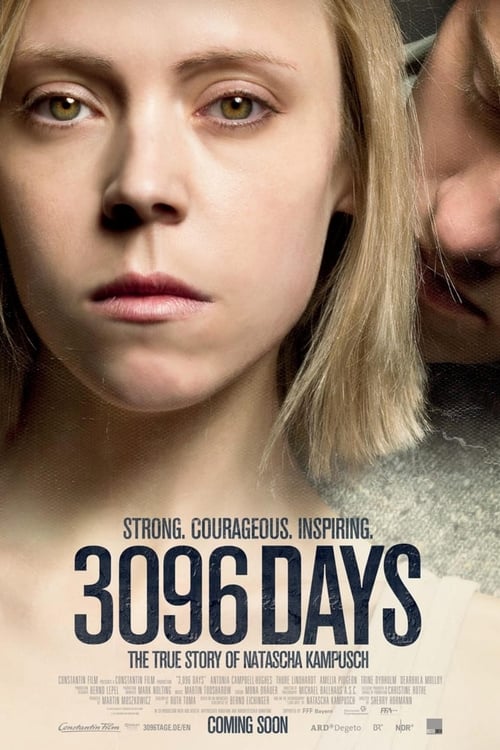
3096 Days offers a harrowing look at abduction and the struggle for freedom. While it’s certainly a tough watch, it doesn’t shy away from the uncomfortable truths of captivity.
A Somber Yet Necessary Watch
In the end, 3096 Days is a solid drama that tells an important story, albeit with its share of pacing issues and character depth problems. It manages to engage and provoke thought, making it a worthwhile watch for those ready to confront its heavy subject matter.
Film DNA
The scores reflect a thoughtful narrative and strong emotional impact, though pacing issues and limited rewatch value hold the film back. It’s a heavy but engaging drama that won’t appeal to everyone.
Pros
- Strong central performance by Antonia Campbell-Hughes
- Intense emotional weight
Cons
- Pacing issues lead to moments of boredom
- Underdeveloped supporting characters
Not for the Faint of Heart
This film is tailored for an audience interested in true crime dramas and psychological explorations of trauma. Those who appreciate heavy, thought-provoking content will likely find it worth their time. However, viewers looking for a light-hearted escape or a fast-paced thriller will probably be disappointed. The stark realities presented in 3096 Days can be tough to digest, making it less suitable for those who prefer more traditional narratives with clear resolutions.
A Young Girl's Nightmare
The film follows Natascha Kampusch, a young Austrian girl who is kidnapped and held for eight years by Wolfgang Priklopil. Based on true events, it explores her harrowing experiences during captivity and the psychological impact of isolation and manipulation. As Natascha navigates her time in confinement, the film reveals the complexities of her relationship with her captor and her eventual struggle for freedom. Through a blend of drama and stark reality, it examines the broader implications of abduction and survival, making it a significant but challenging narrative.
The Faces of Captivity
Antonia Campbell-Hughes delivers a strong performance as Natascha, expertly capturing her transition from a frightened girl to a determined survivor. Thure Lindhardt’s portrayal of her captor, however, sometimes feels overly one-dimensional, lacking the depth that could make their dynamic more compelling. Supporting characters, while able, are often underutilized, with their roles feeling more like plot devices than fully realized individuals. The focus on the central characters does allow for a deep exploration of their relationship, but this comes at the cost of sidelining potentially interesting subplots.
Visuals in Shadows
Directed by Sherry Hormann, the film benefits from a solemn and straightforward visual style that underscores the gravity of the story. The muted color palette and tight framing create a claustrophobic atmosphere that mirrors Natascha's own confinement. While engaging, the pacing occasionally drags, especially in the middle sections, which might lose some viewers’ interest. Hormann's choice to depict certain scenes with minimal dialogue allows the visual storytelling to shine, but it can also lead to moments that feel overly drawn out and lack urgency.
A Heavy Emotional Toll
Watching 3096 Days can be an emotionally taxing experience. The film doesn’t shy away from the harsh realities of captivity, which can lead to a sense of heaviness that some viewers might find overwhelming. Moments of tension are effectively portrayed, but the slower pacing often results in stretches where the narrative lulls, making it easy to lose focus. The emotional weight is certainly present, but the film's length might lead to frustration; at times, it feels like it could have benefited from tighter editing to enhance engagement.
Watch if you liked: Hope, The Room






No comments yet. Be the first to share your thoughts!