Genres
Movie Overview & Analysis
Hidden Figures tells a remarkable story that's often overlooked in history books. It highlights the contributions of three brilliant African-American women at NASA during the 1960s, but it occasionally falls into predictable tropes.
Set against the backdrop of the Space Race, Hidden Figures chronicles the lives of Katherine G. Johnson, Dorothy Vaughan, and Mary Jackson, who worked at NASA during a time of racial segregation. The film follows their struggles and triumphs as they navigate both gender and racial barriers to help launch astronaut John Glenn into orbit. Through a series of challenges, including institutional racism and sexism, these women become indispensable to NASA's mission, showcasing their intelligence and resilience. However, while the film aims to inspire, it sometimes simplifies complex issues into feel-good moments, sacrificing depth for broader appeal.
The performances in Hidden Figures are strong, with Taraji P. Henson delivering a standout portrayal of Katherine Johnson. Henson's subtlety brings depth to a character that could easily have been one-dimensional. Octavia Spencer and Janelle Monáe also shine, but some supporting characters, like Kevin Costner's Al Harrison, feel underwritten. While Costner's role has its moments, the film often plays it safe, sidelining the nuanced portrayals of institutional bias in favor of more generic heroism. Jim Parsons as Paul Stafford is well-cast but ultimately just another antagonist trope, lacking the complexity the setting deserves.
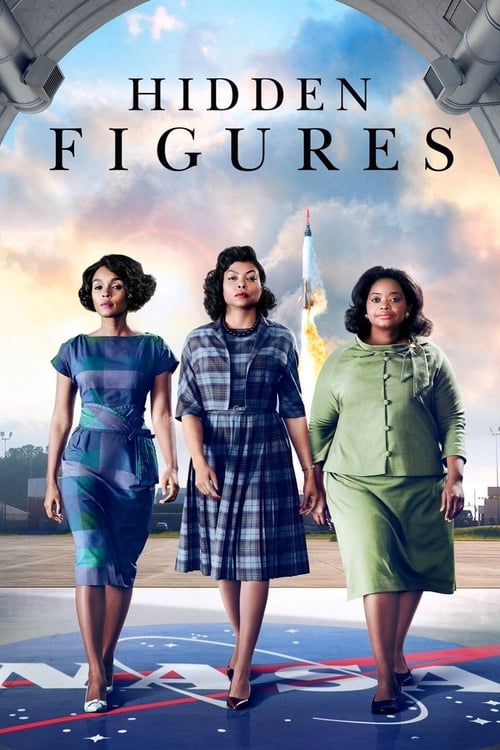
Theodore Melfi’s direction is solid, combining a straightforward storytelling approach with a bright, polished visual style that captures the era well. The period detail is pleasing, from costumes to set design, immersing viewers in the 1960s. However, the pacing tends to drag in parts, and the film sometimes resorts to conventional biopic techniques that feel formulaic. The film's visual choices do convey the sense of hope and progress, yet they don’t always challenge the viewer to think critically, opting instead for a more palatable presentation of history. It’s almost as if Melfi wanted to ensure that the film remained accessible to a wide audience.
Watching Hidden Figures is an emotional experience, especially when the triumphs of the three women unfold. However, the film's predictable beats can lead to moments of frustration, as it often feels like it checks boxes rather than takes risks. The emotional crescendo during critical scenes is effectively built up, but some viewers may find the overly optimistic tone at odds with the real struggles portrayed. This balance between heavy themes and feel-good storytelling leaves an impression, but it also lacks the deeper exploration of the societal implications of racism and sexism that would have made it more impactful. Waiting for the next emotional high can feel tedious at times.
Hidden Figures is likely to appeal to those interested in motivational dramas or anyone who appreciates stories of overcoming adversity. It’s perfect for family viewings or educational settings, providing a Disney-esque wrap on a serious subject. However, cinephiles looking for a more gritty and realistic portrayal of history might find it lacking. The film avoids raw emotions and some of the grittier aspects of its subject matter, opting instead for a smoother narrative. Audiences who prefer historical accuracy over inspirational tales might walk away disappointed, feeling that the film glosses over significant issues.
Hidden Figures succeeds in shedding light on unsung heroes of the Space Race, but it sometimes sacrifices depth for feel-good moments. It's a solid film with strong performances that may inspire, but it doesn't quite dig deep enough to make it truly memorable.
Film DNA
While the story depth and originality are somewhat lacking, the film's strong emotional moments and entertainment value make it a worthwhile watch. The visuals add to its appeal, although the pacing can be a bit uneven.
No comments yet. Be the first to share your thoughts!