Genres
Movie Overview & Analysis
Greta Gerwig's 'Little Women' is a fresh take on a classic story that many of us have seen before. It manages to breathe new life into the March sisters' tale while also stumbling over its own ambitions.
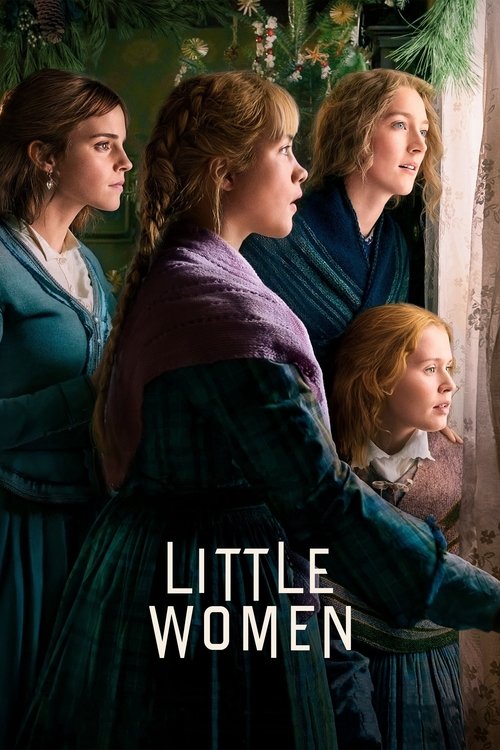
'Little Women' follows the lives of the March sisters—Jo, Meg, Amy, and Beth—as they navigate the challenges of growing up in post-Civil War America. Jo, played by Saoirse Ronan, is the aspiring writer determined to carve her own path, while Meg (Emma Watson) seeks traditional domestic happiness. Amy (Florence Pugh) grapples with her identity and artistic aspirations, and Beth (Eliza Scanlen) represents the heart of the family. The film explores themes of love, ambition, and familial bonds against the backdrop of a society that often limits women’s choices.
The performances in 'Little Women' are strong, particularly Florence Pugh, who breathes life into Amy with both vulnerability and ambition. Saoirse Ronan is excellent as Jo, though at times her character feels more like a vehicle for the film's feminist messaging than a fully realized person. Emma Watson's Meg is a bit underutilized, lacking the depth needed for her character's conflicts to resonate fully. Laura Dern as Marmee gives a solid, if somewhat predictable, performance. Overall, while the sisters have a palpable chemistry, the character arcs could have used a bit more development.
Greta Gerwig's direction is stylish and energetic, with a clear eye for period detail that enhances the film's authenticity. The visual choices, including the color palette and set design, are lush and inviting, which suits the tone of the story well. However, the non-linear storytelling can be jarring; shifting timelines occasionally detract from the emotional weight that could have been built through a more straightforward approach. The editing, while interesting, sometimes feels like it compromises the film’s flow, leaving moments that should feel impactful to land a little flat.
Watching 'Little Women' evokes a mix of nostalgia and frustration. The pacing, particularly in the second act, drags at times, leading to moments where the narrative feels bogged down rather than exploring the emotional stakes of the characters. While there are genuinely touching scenes, they often come at a cost to overall engagement, making the film feel longer than its 135-minute runtime. The ending carries a sweet resolution, but one can't help but feel that the emotional highs could have been amplified with tighter editing.
'Little Women' appeals mostly to fans of period dramas and those who appreciate character-driven storytelling. It will likely resonate with viewers who enjoy stories centered around strong female leads and familial themes. However, audiences who prefer fast-paced narratives or action-packed plots might find themselves disappointed by its slower pace and introspective tone. For those who loathe adaptations of classic literature or have a low tolerance for melodrama, this film will likely feel tedious.
'Little Women' manages to be an enjoyable retelling of a beloved story, with a contemporary twist and solid performances. Despite its pacing issues and occasional narrative missteps, it provides a refreshing experience that will likely charm audiences looking for something heartwarming amidst the chaos of modern cinema.
Film DNA
The scores suggest that while 'Little Women' excels in visuals and has decent story depth, its emotional weight and entertainment factor could be improved.
No comments yet. Be the first to share your thoughts!