Genres
Movie Overview & Analysis
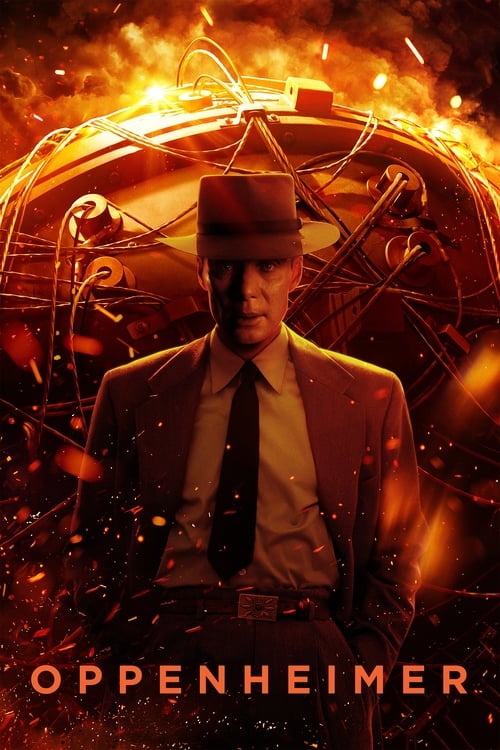
Christopher Nolan's 'Oppenheimer' dives into a pivotal yet troubling moment in history. With stellar performances and impressive visuals, it still stumbles in pacing and character depth.
'Oppenheimer' chronicles the complex life of J. Robert Oppenheimer, portrayed by Cillian Murphy, as he leads the Manhattan Project to develop the atomic bomb during World War II. The film navigates Oppenheimer's moral dilemmas, personal struggles, and the weight of his decisions as the world stands on the brink of nuclear warfare. It explores his relationships with significant figures, including his wife Kitty (Emily Blunt) and his rival Lewis Strauss (Robert Downey Jr.), while unpacking the broader implications of scientific advancement on society. The narrative attempts to highlight both the genius and the toll that such groundbreaking work exacted on Oppenheimer and his contemporaries.
Cillian Murphy's portrayal of Oppenheimer is both intense and haunting, capturing his internal conflict effectively. Emily Blunt offers a strong performance as Kitty, but her character sometimes feels underdeveloped amid the film's broader historical focus. Robert Downey Jr. delivers a solid performance as Strauss, yet his role often leans towards caricature rather than depth. Other notable performances come from Florence Pugh and Matt Damon, but they are occasionally overshadowed by the film's sprawling narrative, leaving some characters feeling like afterthoughts. A stronger balance among the ensemble could have enhanced emotional engagement with the film's key themes.
Christopher Nolan's direction is signature in its ambition, utilizing practical effects and meticulous attention to detail. The cinematography captures the stark contrasts of the 1940s landscape beautifully, though the film occasionally leans into an overly dark palette that might confuse viewers unaccustomed to Nolan's style. The editing, while generally tight, sometimes disrupts the film's flow, particularly during exposition-heavy sequences that could have benefitted from a lighter touch. The overall visual impact is impressive and immersive, yet a bit of restraint might have better served the story's emotional undercurrents.
Watching 'Oppenheimer' is a mixed bag — moments of insight are punctuated by stretches of heavy dialogue that can lead to viewer fatigue. The film's exploration of guilt and moral responsibility is profound, yet it often feels bogged down by its lengthy runtime of 181 minutes. There are times when the pacing slows, leading to boredom rather than anticipation, particularly in scenes that feel overly didactic. Despite these downsides, there are emotional highs, especially in Oppenheimer's reflective moments, which resonate with audiences. However, the balance of weighty themes with engaging storytelling could have been better executed.
'Oppenheimer' will likely appeal to history buffs and fans of cerebral cinema who appreciate a deep dive into complex characters and moral dilemmas. Those who enjoy lengthy biopics that prioritize detail over action will find much to appreciate. However, viewers looking for a more traditional narrative arc or straightforward entertainment might find themselves disengaged. The film's weighty themes and philosophical musings could deter casual moviegoers who prefer light-hearted or fast-paced content. Overall, you need a patience for nuance to truly enjoy the experience.
'Oppenheimer' is a strong film showcasing Christopher Nolan's abilities to blend history with human emotion, although it falters in pacing and character depth. It's not without its flaws, but it offers enough substance to warrant a watch, especially for those willing to engage with its heavy themes.
Film DNA
The radar scores reflect a film rich in story depth and visual impact, yet it struggles with emotional weight and entertainment value, making it less rewatchable.
No comments yet. Be the first to share your thoughts!