Genres
Movie Overview & Analysis
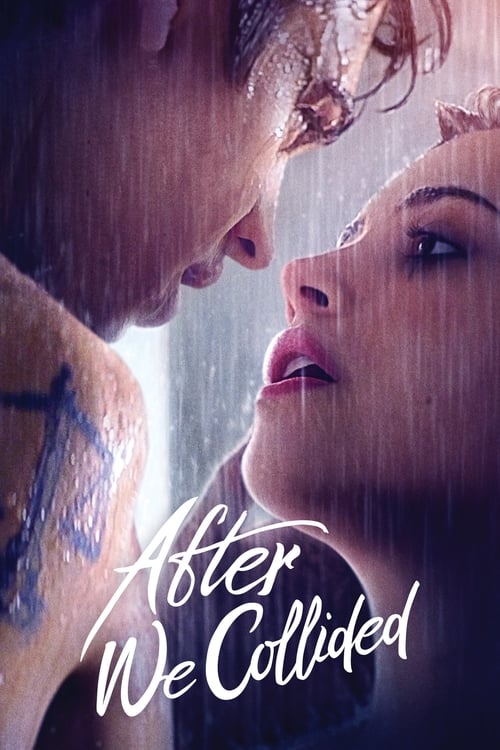
After We Collided continues the tumultuous journey of Tessa and Hardin, providing a mix of teenage romance and drama. While it has its engaging moments, the film doesn’t quite break new ground in its storytelling.
A Solid But Familiar Experience
After We Collided does a decent job of continuing Tessa and Hardin's story, offering enough drama and romance to keep fans engaged. While it doesn't break any new ground, it's a fair watch for those invested in the characters' journeys.
Film DNA
The scores reflect a film that successfully entertains but struggles with originality and depth. It's enjoyable for fans but predictable at times.
Pros
- Strong chemistry between lead characters
- Engaging moments of romance and drama
Cons
- Predictable plot and clichés
- Limited character development for supporting roles
Target Audience Insights
This film is primarily aimed at fans of the romance genre, particularly those who enjoyed the first film in the series. Young adults and teens looking for a mix of drama and romance will likely find it entertaining. However, viewers seeking a more original plot or character development may want to skip it, as it doesn’t offer much beyond the conventional tropes. Those who appreciate light-hearted escapism or are already invested in the characters from the books will likely enjoy it.
The Complicated Relationship
The film picks up from the first installment, following Tessa Young and Hardin Scott as they navigate the complexities of their relationship. After a tumultuous breakup, Tessa faces a dilemma that could potentially alter their lives forever. This time, she's torn between her aspirations and her love for Hardin, who struggles with his own demons. The film intertwines moments of passion and conflict, showcasing the intensity of young love while exploring themes of trust and betrayal. However, the narrative often feels predictable, relying on familiar tropes common in the genre.
Performances on Display
Josephine Langford delivers a solid performance as Tessa, embodying her character's emotional struggles. Hero Fiennes Tiffin as Hardin also presents a compelling portrayal, though his character's development feels somewhat stagnant throughout the film. Dylan Sprouse, playing Trevor, adds a fresh dynamic, yet his role feels limited and underutilized. The supporting cast, including Louise Lombard as Trish, offers decent performances that enhance the main storyline, but they often lack depth in their backstories.
Visuals and Direction Style
Roger Kumble's direction maintains a steady pace, with a focus on the chemistry between Tessa and Hardin. The visual style captures the youthful energy of the characters, although it tends to lean towards standard romance aesthetics. Some moments are visually appealing, particularly the romantic sequences, but the overall cinematography does not significantly elevate the narrative. Editing choices occasionally feel disjointed, which disrupts the flow of the story. Despite this, the film employs effective use of color and lighting to convey emotions.
A Balance of Feelings
Watching After We Collided elicits a mix of nostalgia and frustration. The film captures the intensity of young love well, creating moments that resonate with anyone who has experienced a tumultuous relationship. However, the emotional weight can feel uneven, as some scenes are impactful while others are diluted by cliché dialogues and predictable plot points. The chemistry between the leads often shines through, but the emotional payoff is undermined by moments that don't quite land. Ultimately, the film oscillates between heartfelt and frustrating.
Watch if you liked: After, To All the Boys I've Loved Before





No comments yet. Be the first to share your thoughts!