Genres
Movie Overview & Analysis
In a world where the zombie apocalypse has become a staple of cinema, #Alive tries to breathe new life into a familiar concept. While it offers some fresh elements, it ultimately gets bogged down by pacing issues and an underwhelming conclusion.
A Watchable Yet Flawed Experience
#Alive offers a fresh twist on the zombie genre with its focus on isolation and digital communication, but it doesn't entirely deliver on its potential. Despite some engaging performances and effective visuals, pacing issues and repetitive elements hold it back. It’s worth a watch, but don't expect it to break new ground.
Film DNA
The radar scores indicate a film with moderate story depth and emotional weight, but its pacing and repetitive elements detract from overall entertainment value. While it offers originality, it may not hold viewers' attention upon rewatch.
Pros
- Interesting take on zombie survival
- Strong lead performances
Cons
- Pacing issues lead to boredom
- Underdeveloped supporting characters
Who Will Enjoy This Film?
#Alive will appeal to fans of zombie and survival films, particularly those who enjoy a fresh take on the genre through a more personal lens. However, viewers looking for high-octane action or intricate plots might find themselves frustrated by the film's slower pace and reliance on character introspection. This is not the film for those who loathe isolation narratives or prefer their horror with a heavy dose of adrenaline. Additionally, audiences who appreciate strong character arcs may find this film lacking as it prioritizes survival over deeper emotional connections.
Trapped in Isolation
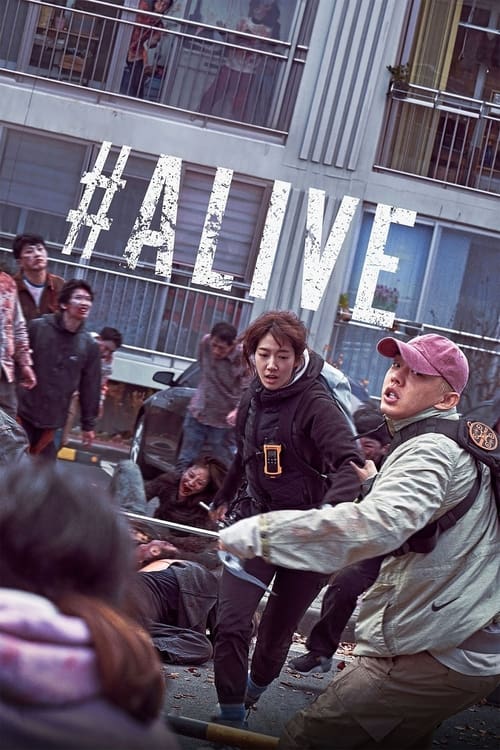
#Alive follows the story of Oh Joon-woo, portrayed by Yoo Ah-in, who finds himself trapped inside his apartment as a gruesome virus spreads through the city. With the outside world becoming increasingly dangerous, he relies on technology to communicate and search for help. As he navigates through isolation and despair, he encounters Kim Yoo-bin (Park Shin-hye) in a similar predicament. Their interaction is limited to digital exchanges, creating an intriguing yet frustrating dynamic as they both fight for survival. The film touches on themes of isolation, resilience, and the impact of technology in crisis, but it occasionally feels repetitive and loses momentum as it progresses.
Characters in Limbo
Yoo Ah-in delivers a solid performance as Joon-woo, capturing the character's despair and determination in a relatable way. Park Shin-hye's portrayal of Yoo-bin adds emotional depth, though her character feels somewhat underutilized compared to Joon-woo’s arc. The supporting cast, including Lee Hyun-wook as Lee Sang-chul, provides a decent backdrop but often fades into the background. At times, the characters slip into clichéd tropes, which can detract from the overall tension. This is a shame, as the film's premise has the potential for richer character development, but it chooses to focus more on survival than on building a strong character connection.
Visuals That Fall Flat
Directed by Cho Il, #Alive employs a straightforward visual style that effectively captures the claustrophobic atmosphere of living in isolation. While the cinematography does a decent job of creating tension through tight shots in Joon-woo's apartment, it occasionally lacks variety, making certain scenes feel monotonous. The pacing also suffers as the film drags during the middle act, where few new developments occur. The limited setting works to enhance the story's themes but can lead to a stale viewing experience. Some creative visual choices, such as the use of drones for communication and resource retrieval, are refreshing, yet they can't entirely save the film from its slower moments.
Tension with Uneven Emotions
Watching #Alive is a bit like being stuck in a waiting room: occasionally tense but often tedious. The film does succeed in conveying a sense of loneliness, especially in the first act, which is effective at setting the mood. However, as the plot unfolds, repetitive situations and drawn-out sequences lead to moments of disinterest. The emotional beats sometimes hit their mark, but they can also feel forced. There’s a sense of urgency that should be compelling, yet the pacing undermines this, leaving the audience feeling somewhat detached from the characters' fates. Ultimately, the film had the potential for a more gripping emotional journey but falls short in execution.
Watch if you liked: Train to Busan, The Platform
No comments yet. Be the first to share your thoughts!