Genres
Movie Overview & Analysis
This adaptation of the classic novel 'All Quiet on the Western Front' brings the horrors of World War I to life with unsettling realism. However, despite its emotional resonance, the film stumbles in pacing and character depth.
A Strong Attempt, Yet Imperfect
While 'All Quiet on the Western Front' shines in its gritty portrayal of war's horrors, it stumbles with pacing and character depth. It’s a worthwhile watch for those interested in historical dramas, but it’s not without its flaws.
Film DNA
The scores reflect solid story depth and visual impact, but pacing issues and emotional engagement hold the film back from achieving a higher level of entertainment.
Pros
- Strong performances from the leads
- Visually stunning battle sequences
Cons
- Pacing issues in the second act
- Underdeveloped supporting characters
A Niche Audience
This film is tailored for viewers who appreciate war dramas and are ready to confront the unvarnished truths of combat. However, those who prefer action-packed narratives with clear character resolutions will likely be disappointed by its slower pacing and occasionally ambiguous character arcs. Fans of the original novel will find merit in its fidelity, but casual viewers might struggle with the film's heavy themes and lack of traditional cinematic pacing.
Boys to Soldiers
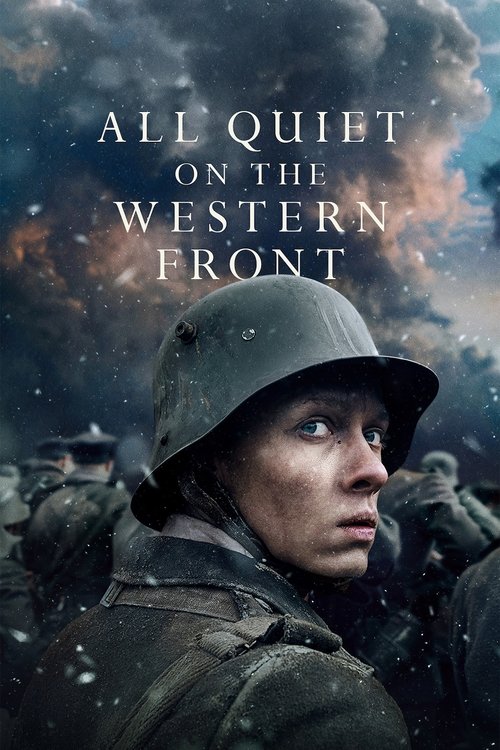
The story follows Paul Bäumer, portrayed by Felix Kammerer, and his friends as they enlist in the German army with dreams of glory. Eagerly leaving behind their innocent lives, they soon find themselves engulfed in the brutal realities of trench warfare. The film captures their transformation from enthusiastic boys to traumatized soldiers, revealing their struggles with the devastating loss of life and the futility of war. It navigates through intense battles, personal tragedies, and the harsh conditions of the front lines, highlighting the stark contrast between their expectations and the grim truth of combat.
Gripping Performances, Yet Flawed
Felix Kammerer as Paul Bäumer delivers a strong performance, effectively conveying the conflict between youthful idealism and the harsh truths of war. Albrecht Schuch's portrayal of Stanislaus 'Kat' Katczinsky adds a layer of depth and camaraderie, though some supporting characters, like Aaron Hilmer's Albert Kropp, feel underdeveloped. Their arcs are overshadowed by the film's focus on the camaraderie between Paul and Kat, leaving viewers wanting more from the ensemble cast. This imbalance results in moments where the emotional stakes could have been heightened but instead come off as one-dimensional and cliché.
Realism with Pacing Issues
Edward Berger's direction is competent, with a focus on gritty realism that immerses the audience in the trenches of World War I. The use of muted colors and visceral sound design enhances the film's atmosphere, but the pacing drags at times, especially during the slower second act. While the battle scenes are intense and well-crafted, they occasionally feel repetitive, undermining the tension built up earlier in the film. The cinematography captures the harrowing landscapes beautifully, but some visual choices, like prolonged shots, interrupt the narrative flow and can lead to viewer disengagement.
Emotional Impact, But Drags
The film effectively evokes feelings of despair and hopelessness, especially during the harrowing battle sequences. However, there are segments where the pacing falters, causing moments of frustration as the narrative lags. The emotional weight is most palpable during the personal losses Paul experiences, yet the film occasionally shifts focus away from these moments to lesser subplots. When it does hit the mark, it's impactful, but there are times when it feels like it’s drawing things out unnecessarily, which detracts from the overall emotional journey.
Watch if you liked: 1917, The Thin Red Line
No comments yet. Be the first to share your thoughts!