Genres
Movie Overview & Analysis
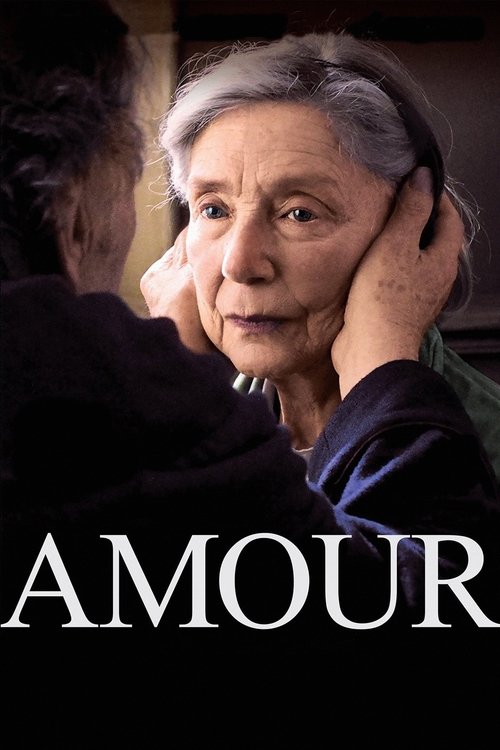
Michael Haneke’s 'Amour' is a poignant exploration of love and aging, but it doesn't shy away from the painful realities that accompany these themes. With strong performances and a minimalist approach, it can leave you feeling both moved and unsettled.
An Emotional Experience
'Amour' is a poignant reflection on love and aging, showcasing powerful performances and Haneke’s characteristic attention to detail. While its slow pace and some underdeveloped characters may frustrate a segment of viewers, the depth of its themes and emotional honesty are hard to overlook. It's certainly worth a watch if you're prepared for its weighty nature.
Film DNA
The radar scores reflect a strong narrative depth and emotional weight but indicate limited rewatchability due to its slow pacing and demanding themes.
Pros
- Strong performances from leads Trintignant and Riva
- Thoughtful exploration of aging and love
Cons
- Slow pacing might frustrate viewers
- Underdeveloped supporting characters
For the Reflective Viewer
'Amour' is likely to resonate with viewers who appreciate slow-burn dramas focused on human relationships and the complexities of love in the face of adversity. It’s ideal for those who enjoy deeply introspective films that provoke thought and discussion. However, audiences looking for escapism or a fast-paced plot will likely find it tedious and draining. This film is not for the faint-hearted or those seeking entertainment light and breezy; it demands emotional engagement and thoughtfulness, which may not suit everyone’s cinematic tastes.
A Love Tested by Time
Set against the backdrop of Paris, 'Amour' follows Georges and Anne, retired music teachers in their eighties whose lives take a drastic turn when Anne suffers a stroke. As her health declines, the couple's bond is pushed to its limits, revealing the tender yet tragic nuances of aging and love. Their daughter, living abroad, adds another layer of emotional distance as she grapples with her parents’ situation. The film emphasizes the intricacies of their long-standing relationship, showcasing moments of affection intertwined with the struggles of caregiving and illness. While the narrative is simple, it delves deeply into the complexities of commitment and the human condition.
Powerful Performances, Mixed Roles
The performances in 'Amour' are striking, particularly Jean-Louis Trintignant as Georges, whose quiet strength carries the weight of the film. Emmanuelle Riva, in her final role, delivers a heartbreaking portrayal of Anne, embodying both fragility and resilience. However, some secondary characters, like Isabelle Huppert's Eva, feel underused, with limited development that makes them seem more like plot devices than fully realized individuals. This lack of depth for supporting roles detracts from the overall impact, as their interactions with the main characters feel superficial at times, leaving viewers wanting more.
Deliberate Pace, Intimate Frames
Michael Haneke’s direction is marked by a slow, deliberate pace that reflects the film’s themes of aging and mortality. The cinematography captures intimate moments between the couple with close-ups and sparse settings, creating a claustrophobic yet poignant atmosphere. However, the minimalistic approach may frustrate some viewers who prefer a more dynamic visual experience. Additionally, the film's pacing, while deliberate, can feel excessive at times, leading to moments of boredom as it lingers on scenes that may not add substantial value to the overall narrative. This could alienate those who favor more action-packed storytelling.
Heavy but Demanding
Watching 'Amour' is a heavy experience that oscillates between moments of beauty and profound sadness. The film invites reflection on love and loss, but its slow pacing can lead to frustration, especially for viewers expecting a brisker narrative. As Georges faces the heartbreaking challenges of caring for Anne, the emotional weight is palpable, but the endurance required to sit through prolonged scenes may test some viewers’ patience. There are moments of genuine tenderness that shine through the gloom, but the overall tone can feel suffocating, demanding a level of emotional investment that not everyone might be ready to offer.
Watch if you liked: Le Beau Serge, The Whale







No comments yet. Be the first to share your thoughts!