Genres
Movie Overview & Analysis
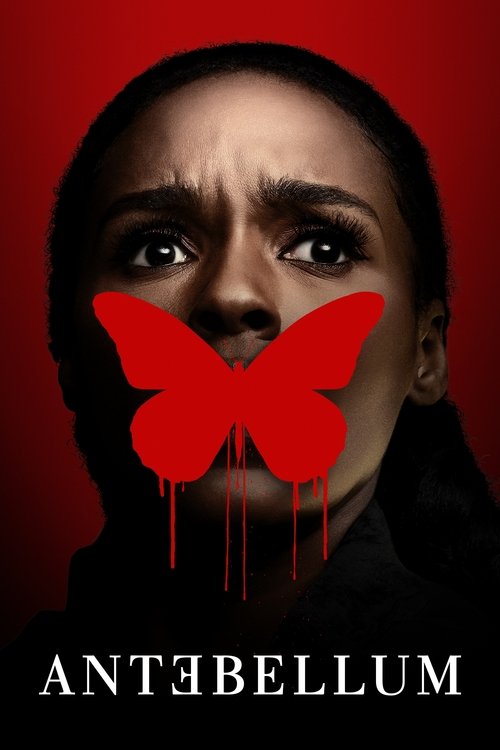
Antebellum attempts to meld horror with social commentary, but it stumbles at points along the way. While Janelle Monáe delivers a strong performance, the film struggles to maintain its tension.
Uneven Yet Thought-Provoking
Antebellum presents an intriguing concept with a strong lead performance from Janelle Monáe, but it struggles with pacing and character depth. While it has its moments, the film ultimately feels uneven and may not satisfy all viewers.
Film DNA
The radar scores reflect a film with strong visual elements and originality but lacking in emotional weight and overall entertainment. It engages on certain levels but may not appeal broadly.
Pros
- Strong performance by Janelle Monáe
- Interesting concept with social commentary
Cons
- Pacing issues weaken tension
- Supporting characters feel underdeveloped
A Film with a Niche Audience
Antebellum may resonate with viewers interested in horror that intertwines social issues and historical themes. Those who appreciate films that provoke thought on race relations and identity might find elements to appreciate. However, audiences looking for a straightforward horror experience or a film that flows seamlessly might be disappointed. It’s a piece that demands engagement and reflection, which might not be everyone's cup of tea.
A Disturbing Reality Unfolds
The film follows Veronica, a successful author played by Janelle Monáe, who becomes trapped in a terrifying reality that echoes the brutal antebellum South. As she navigates this horrifying world filled with cruelty and racism, she must uncover the mystery behind her circumstances before time runs out. The plot plays with time and space, weaving together the past and present, creating a disturbing narrative that aims to provoke thought on issues of race and identity. However, the execution often feels disjointed, making it hard to fully engage with the unfolding events.
Monáe Leads, Others Lag
Janelle Monáe shines as Veronica, bringing depth to her character as she transitions from a modern-day author to a victim of horrors reminiscent of slavery. Her performance is engaging and emotionally charged, effectively capturing the fear and determination of her situation. Supporting roles from actors like Eric Lange and Jena Malone lend some weight to the story, but they often feel underutilized. The lack of character development for those around her detracts from the overall impact, making it hard for viewers to connect with their fates.
Visual Choices and Direction
Gerard Bush’s direction offers some compelling visual moments, balancing between unsettling imagery and striking cinematography. The film's aesthetic choices, such as period-accurate costumes and haunting landscapes, try to immerse the audience in a chilling atmosphere. However, the pacing often falters, with slow moments that detract from the film's tension. While certain scenes are visually strong and impactful, the editing could have benefited from a tighter approach to enhance the urgency of the narrative.
Unease and Dissonance
Watching Antebellum is an emotionally charged experience, invoking feelings of discomfort and unease as it tackles heavy themes. The atmosphere is laden with tension, though it sometimes feels overdone, leading to moments that can come across as pretentious. The film seeks to shock the audience, but its heavy-handedness can disengage viewers instead of drawing them into the emotional depths it aims to portray. Ultimately, it leaves a mixed impression: there are impactful emotions, but the execution sometimes drowns them out.
![[REC]²](https://image.tmdb.org/t/p/w500/4JG5WKfIGD6r7hdbqJVr2WKIxEe.jpg)


No comments yet. Be the first to share your thoughts!