Genres
Movie Overview & Analysis
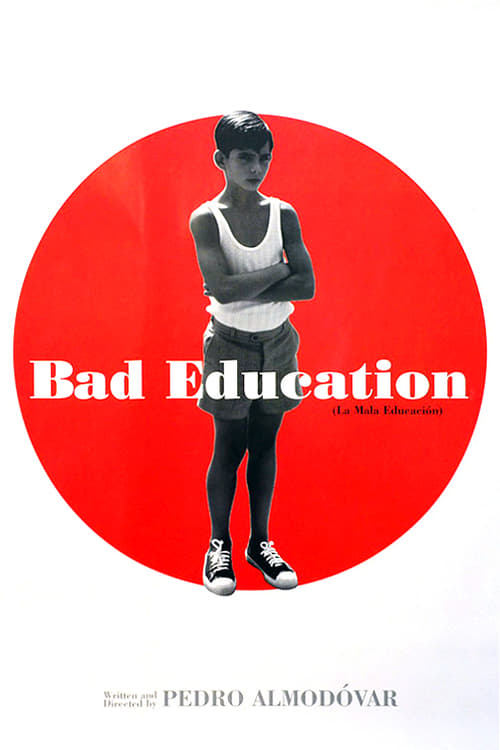
Pedro Almodóvar's 'Bad Education' feels like a fever dream of nostalgia and identity, exploring the complexities of youth while wrestling with darker themes. While the film is visually striking and emotionally charged, it stumbles in pacing, leaving viewers sometimes disoriented by the narrative shifts.
An Artful Yet Flawed Experience
'Bad Education' is a worthwhile watch for its visual artistry and emotional depth, despite its pacing issues and occasionally muddled narrative. While it doesn't always hit the mark, there's enough here to make it a relevant contribution to discussions around identity and trauma.
Film DNA
The scores reflect a film rich in visual storytelling and emotional depth, yet hindered by structural issues that affect overall enjoyment. It's high on originality but lower on rewatchability due to its heavy themes and pacing.
Pros
- Visually stunning with bold colors
- Strong performances, especially by Bernal
Cons
- Pacing issues create dull stretches
- Some characters feel underdeveloped
Not Your Average Viewer
'Bad Education' will likely appeal to fans of art-house cinema and those who appreciate Almodóvar’s distinct storytelling style. If you enjoy films that delve into complex themes of identity and trauma, this will resonate with you. However, viewers looking for a straightforward narrative or an upbeat story might find this film tedious and heavy-handed. It's not for everyone, especially those who prefer light-hearted fare or conventional storytelling.
Youth and Trauma Unfold
'Bad Education' navigates the lives of Enrique Goded and a transvestite performer, Ángel, as they confront their shared past at a Catholic boarding school. The film oscillates between present-day reflections and flashbacks, revealing Ángel's struggle with her sexual identity and the trauma of childhood abuse. The script brought to Enrique by an old friend serves as a catalyst for this introspective journey, underscoring themes of lost innocence, sexual exploration, and the pervasive influence of societal norms. However, the transitions can feel jarring, making it challenging to stay fully engaged with the story.
A Cast of Complexities
Gael García Bernal delivers a layered performance as Ángel, deftly embodying the character’s tumultuous emotional landscape. Fele Martínez’s portrayal of Enrique is equally compelling but occasionally lacks the depth needed to match Bernal’s intensity. The supporting characters, like Daniel Giménez Cacho as Padre Manolo, are solid but could have been given more nuanced arcs to enhance the narrative. There are moments where the characters feel underutilized, particularly in the broader context of the story, leaving a sense of unfulfilled potential.
Colorful Yet Disjointed
Almodóvar’s direction is signature—bold colors, sharp contrasts, and a keen eye for detail create a visually arresting experience. The cinematography captures the essence of 1980s Spain beautifully, immersing viewers in the vibrant yet turbulent atmosphere of the period. However, transitions between scenes sometimes disrupt the flow, contributing to a disjointed viewing experience. The stylistic choices, while stunning, occasionally overshadow the emotional core of the story, leading to a sense of visual overload rather than cohesion.
Heavy Themes, Uneven Pacing
Watching 'Bad Education' is a mixed bag; it oscillates between moments of profound reflection and stretches of dullness that can test your patience. The heavy themes of sexual abuse and identity crisis are handled with sensitivity, yet the film's pacing falters, resulting in sections that drag on unnecessarily. This can lead to a frustrating experience where some viewers might find themselves losing interest during more introspective passages. Still, the emotional weight does resonate, especially for those familiar with the struggles of self-acceptance.
Watch if you liked: The Skin I Live In, Talk to Her






No comments yet. Be the first to share your thoughts!