Genres
Movie Overview & Analysis
Blindness tries to tackle heavy themes about society's collapse, but the execution leaves much to be desired. While the premise is intriguing, the film stumbles with pacing issues and occasionally flat performances.
A Potentially Strong Idea Stumbles
Blindness has an intriguing concept and some strong performances, but ultimately, it struggles with pacing and character development. While it offers a thought-provoking look at societal collapse, it misses the mark in delivering a fully engaging experience.
Film DNA
The radar scores depict a film that struggles more with depth and entertainment than it succeeds. While there's originality, the execution fails to captivate fully.
Pros
- Intriguing premise with social commentary
- Strong performance from Julianne Moore
Cons
- Pacing issues make it feel longer than necessary
- Some characters are underdeveloped
For Niche Drama Enthusiasts
This film may appeal to viewers who appreciate slow-burn dramas and can tolerate a heavy dose of existential angst. Those who enjoy dystopian narratives will find some merits in its themes. However, viewers seeking swift resolutions, concise storytelling, or engaging character development are likely to find themselves frustrated. The film's pacing and somber tone could alienate mainstream audiences, making it more suitable for a niche crowd that enjoys contemplative cinema.
Society Under Siege
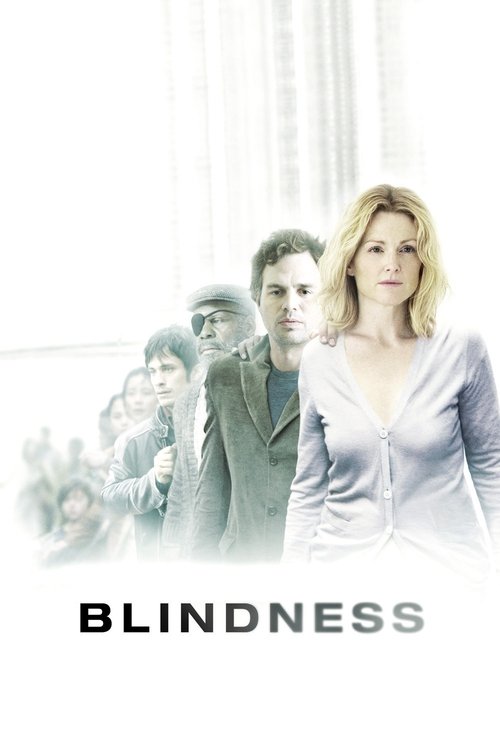
In a city struck by a sudden epidemic of blindness, society quickly falls into disarray. People are quarantined, and as the government struggles to maintain order, a small group of the afflicted, led by a doctor's wife played by Julianne Moore, band together to navigate their grim new reality. The film delves into the breakdown of societal norms and human morality under extreme conditions. As tensions rise and chaos ensues, the group’s struggles expose deep-seated fears and vulnerabilities. However, despite its intense premise, the narrative lacks a satisfying resolution, leaving viewers with more questions than answers.
Mixed Performances Amid Chaos
Julianne Moore delivers a commendable performance, bringing depth to her character amid all the chaos. Mark Ruffalo as the doctor is underutilized, often overshadowed by Moore. The ensemble cast, including Gael García Bernal and Danny Glover, presents a mixed bag; some characters feel underdeveloped, leading to a lack of emotional investment. Several performances seem to dwell in one emotional register, which might frustrate viewers looking for a more dynamic portrayal of despair and hope. Overall, the film’s character arcs could use more attention, making it difficult to fully engage with their plights.
Visuals That Miss the Mark
Fernando Meirelles's direction is competent but lacks the urgency required for such a dire narrative. There are moments of striking visuals, particularly in depicting the chaotic environment outside the quarantine, but much of the film feels static. The choice to use bright lighting in some scenes, contrasting the bleakness of the story, can sometimes feel jarring. The pacing drags at various points, making the 121 minutes feel longer than necessary. While the film’s visual elements have their moments, they don’t consistently elevate the narrative, and there are instances where they detract from the film’s intended impact.
Dull Moments in a Heavy Story
Watching Blindness can feel like a chore at times. There are scenes that effectively evoke tension and despair, but they are often followed by stretches of dull dialogue or unnecessary exposition. The film seems to hang on certain emotional beats for too long, leading to a sense of boredom rather than anticipation. Despite its serious themes, moments of genuine emotional resonance are few and far between, as the film sometimes feels disconnected from the characters’ struggles. The frustration lies in knowing there could have been more depth if the pacing and tone had been better balanced.
Watch if you liked: The Road, Children of Men


No comments yet. Be the first to share your thoughts!