Genres
Movie Overview & Analysis
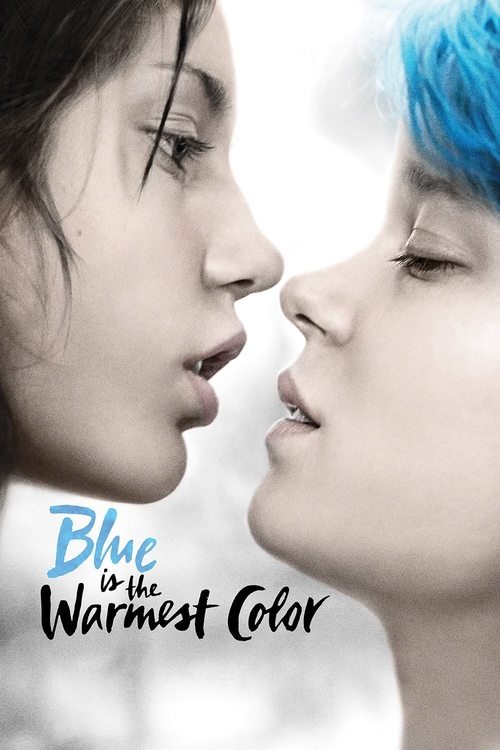
Blue Is the Warmest Color offers a deep dive into the tumultuous journey of love and self-discovery. With its raw portrayal of a lesbian relationship, it manages to evoke strong emotions while sometimes getting lost in its length.
A Thoughtful, Complex Film
Blue Is the Warmest Color presents a poignant look at love and self-discovery, marked by strong performances and stunning visuals. While the film's length and pacing may deter some, its emotional authenticity makes it a worthwhile experience for many viewers.
Film DNA
The radar scores indicate a strong emotional weight and visual impact, though the story's depth and originality may feel somewhat standard for the genre. Rewatchability is lower due to its lengthy runtime.
Pros
- Powerful performances from leads
- Intimate and emotional storytelling
Cons
- Overly long runtime
- Some characters lack depth
Target Audience Insights
This film is well-suited for those who appreciate character-driven narratives and the exploration of complex relationships. Fans of LGBTQ+ cinema and coming-of-age stories will likely find much to connect with in Adèle and Emma's journey. However, those looking for a fast-paced or conventional romance may want to skip this one, as its slow build and lengthy runtime might not suit everyone's taste. It’s a thoughtful watch, best approached with patience and openness to its emotional depth.
A Journey of Self-Discovery
The film follows Adèle, a high school student who embarks on a transformative journey after meeting Emma, a vibrant artist with blue hair. Their intense relationship unfolds over time, showcasing the complexities of love, desire, and identity. As Adèle navigates her feelings, she experiences both the highs of passion and the lows of heartbreak, leading to significant growth and self-awareness. The narrative beautifully captures the coming-of-age aspect, as well as the societal pressures surrounding their love. Based on the graphic novel by Julie Maroh, the film is both a celebration and exploration of queer identity.
Strong Performances, Some Misses
Adèle Exarchopoulos delivers a remarkable performance as Adèle, conveying raw emotion and vulnerability throughout her character's journey. Léa Seydoux as Emma also shines, presenting a more grounded yet passionate counterpart to Adèle's youthful exuberance. Their chemistry feels genuine, contributing significantly to the film's emotional weight. However, some supporting characters, like Adèle's friends and family, feel underdeveloped and occasionally serve as plot devices rather than fully fleshed-out characters. This choice could have added more depth to Adèle's world and her struggles.
Intimate Visual Style
Director Abdellatif Kechiche opts for a visually intimate style, often utilizing close-ups that draw viewers into the characters' emotional states. The choice to linger on moments can sometimes feel excessively drawn out, particularly in the film's lengthy runtime. However, this approach allows for a raw and unfiltered portrayal of intimacy and connection. The color palette, prominently featuring blues and warm tones, enhances the emotional landscape, reinforcing the film's themes of love and longing. While some scenes are beautifully shot, others may test viewers' patience due to their slow pacing.
An Emotional Rollercoaster
Watching Blue Is the Warmest Color is an emotionally charged experience that encompasses the highs and lows of love. The film's depiction of passion is layered, capturing both the exhilaration of young love and the pain of separation. However, the lengthy runtime can lead to moments of fatigue, making it challenging to remain fully engaged throughout. Despite this, the sincerity of Adèle and Emma's relationship resonates deeply, providing moments that linger long after the credits roll. Viewers may find themselves reflecting on their own experiences of love and identity, which makes the film feel particularly relevant.
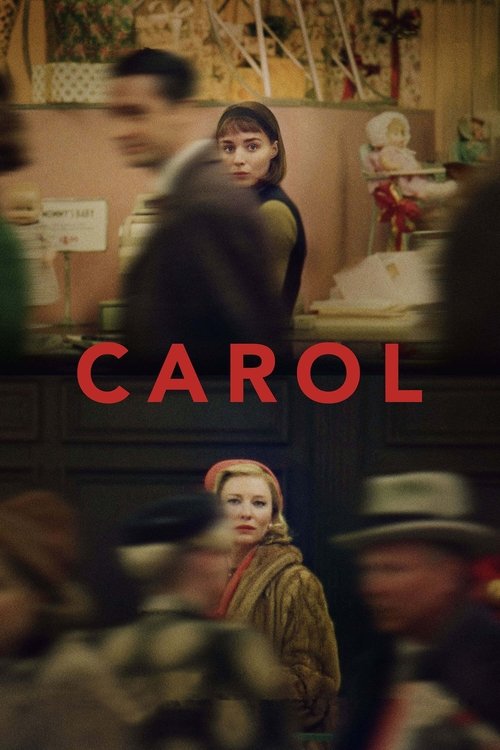
Watch if you liked: The Handmaiden, Carol



No comments yet. Be the first to share your thoughts!