Genres
Movie Overview & Analysis
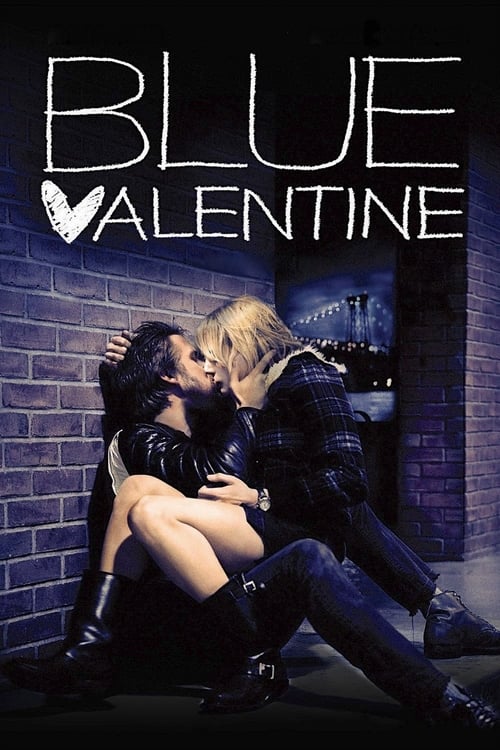
Blue Valentine offers an intimate glimpse into the dissolution of a relationship. While it captures authentic moments of love and despair, it also struggles with pacing and character development.
A Raw Look at Love's End
Blue Valentine is a poignant exploration of love's trajectory, marred by some pacing issues and uneven character development. While it doesn't provide easy answers or feel-good moments, it offers a raw look at the fragility of relationships that some may find worthwhile.
Film DNA
The radar scores suggest a film rich in emotional depth and originality but lacking in rewatchability and some visual impact, resulting in a mixed entertainment value.
Pros
- Strong performances from leads
- Honest portrayal of relationship dynamics
Cons
- Pacing issues can drag
- Underdeveloped supporting characters
For Realists, Not Romantics
This film appeals to those who appreciate character-driven dramas and are willing to confront the harsh realities of relationships. Fans of Gosling and Williams will likely find much to enjoy, but casual viewers expecting a conventional romance might be left disappointed. Blue Valentine is not for those seeking light-hearted escapism; its unflinching examination of love's complexities could alienate viewers looking for traditional plot resolutions or uplifting endings. It's best suited for an audience ready to engage with nuanced storytelling, even if it comes with a hefty emotional toll.
A Love Story in Reverse
The film follows Dean (Ryan Gosling) and Cindy (Michelle Williams) over several years, contrasting their initial romance with the harsh realities of their crumbling marriage. We see their relationship bloom with youthful optimism, only to be overshadowed by disillusionment and unmet expectations. The nonlinear timeline emphasizes critical turning points, but some moments can feel jarring rather than enlightening. As their emotional distance grows, viewers are invited to witness how love can transform into regret, illustrating a messy, unfiltered portrait of a relationship that was once promising.
Real Performances, Lost Opportunities
Ryan Gosling and Michelle Williams deliver grounded performances that embody the raw emotions of their characters. Gosling's portrayal of Dean is charming yet frustrating, while Williams captures Cindy's complexity beautifully. However, the film sometimes sidelines supporting characters, like John Doman’s Jerry, leaving their potential for depth unrealized. The chemistry between the leads is palpable, and their changing dynamics over time are effectively conveyed, but the emotional arcs can feel one-note and repetitive, making you wish for stronger development in secondary roles.
Intimate Yet Uneven Style
Derek Cianfrance's direction embraces a raw and realistic aesthetic that complements the film's themes. The handheld camera work creates an intimate atmosphere, pulling you into Dean and Cindy’s world. However, the film's pacing can drag, particularly in scenes that linger longer than necessary on their mundane interactions. The color palette is muted, reflecting the couple's emotional state, but some viewers might find the overall visual style uninviting. While the visual choices evoke authenticity, they also contribute to an uneven experience that sometimes lacks visual dynamism.
Heavy Emotions, Heavy Pacing
Watching Blue Valentine feels like a double-edged sword; it captures genuine moments of love but also serves up plenty of discomfort. The film's emotional weight can be taxing, with scenes that hit hard yet sometimes leave you feeling drained rather than engaged. The transitions between blissful memories and painful reality can provoke frustration, especially during slower moments that feel overly drawn out. Although it aims for authenticity, the repetitive nature of their arguments can lead to viewer fatigue, making it difficult to maintain emotional investment.
Watch if you liked: Marriage Story, Eternal Sunshine of the Spotless Mind
No comments yet. Be the first to share your thoughts!