Genres
Movie Overview & Analysis
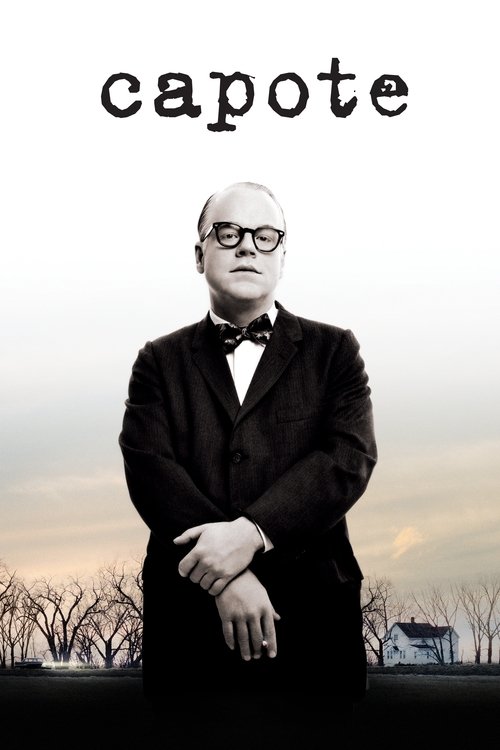
Capote offers a glimpse into the life of the iconic author, Truman Capote, during a transformative period of his career. However, it also falls into some predictable biopic traps that dull its impact.
A Strong Character Study
Capote is a strong examination of a pivotal moment in Truman Capote's life, anchored by a stellar performance from Philip Seymour Hoffman. Yet, its slow pacing and missed opportunities in character development keep it from reaching its full potential.
Film DNA
The radar scores indicate that while Capote has solid story depth and emotional weight, its overall entertainment value and visual impact are more modest. It's a thoughtful watch, but not one that demands repeated viewings.
Pros
- Outstanding performance by Philip Seymour Hoffman
- Interesting exploration of ambition and morality
Cons
- Slow pacing may alienate some viewers
- Underdeveloped supporting characters
For Literary Enthusiasts
Capote is best suited for viewers interested in literary figures and the darker side of ambition. Those who appreciate character-driven stories will find value in the film’s exploration of Capote’s psyche. However, viewers who prefer fast-paced narratives or thrillers will likely be disappointed by its slow pacing and introspective tone. Fans of biopics and those familiar with Capote’s work will appreciate the film more than casual audiences, who might find it tedious. If you’re looking for action, this isn’t the film for you.
A Writer's Dark Journey
The film chronicles Truman Capote's journey as he researches and writes his groundbreaking true crime novel, 'In Cold Blood.' Set in the late 1950s and early 1960s, it follows Capote (Philip Seymour Hoffman) as he becomes involved with the convicted killers Perry Smith (Clifton Collins Jr.) and Dick Hickock. The narrative explores Capote's relationships, particularly with his childhood friend Harper Lee (Catherine Keener), as he navigates the complexities of friendship, ambition, and the moral implications of his work. The film provides insight into how Capote's obsession with his subject ultimately drives a wedge between him and those he loves.
Strong Performances, Some Weaknesses
Philip Seymour Hoffman delivers a remarkable performance as Truman Capote, capturing both his flamboyance and vulnerability. His transformation into Capote is striking, and he carries the film with a nuanced portrayal. Catherine Keener’s Harper Lee is solid but disappointingly underutilized; her character feels more like a plot device rather than a fully fleshed-out individual. Clifton Collins Jr. as Perry Smith is compelling, yet the script sometimes sidelines his emotional depth, leaving viewers wanting more exploration of his psyche. The supporting cast, including Bruce Greenwood and Bob Balaban, contribute adequately but lack standout moments.
Mood But Lacking Flair
Bennett Miller’s direction is competent but lacks a certain flair that might have elevated the film beyond its traditional biopic structure. The cinematography captures the moody essence of the period, with muted colors that evoke a sense of melancholy. However, the pacing often drags, particularly in sequences that feel repetitive, which detracts from the urgency of Capote's journey. There are moments where tighter editing could have enhanced the narrative flow, leading to a more engaging viewing experience. The visual style is pleasing, but it doesn't take risks that might have made it visually stunning.
Pacing Issues and Emotional Depth
Watching Capote can feel like a mixed bag of emotional highs and lows. While Hoffman’s performance elicits admiration, the film sometimes fails to maintain momentum, leading to stretches of boredom that could have been avoided. The relationship dynamics, particularly with Perry Smith, bear emotional weight but are often overshadowed by narrative choices that prioritize Capote’s celebrity over genuine connection. Moments of tension are scattered throughout, yet they rarely build to a satisfying climax. The film's weighty themes occasionally land but are often mired in slower pacing, making it a challenge to stay fully engaged.
Watch if you liked: The Imitation Game, A Beautiful Mind










No comments yet. Be the first to share your thoughts!