Genres
Movie Overview & Analysis
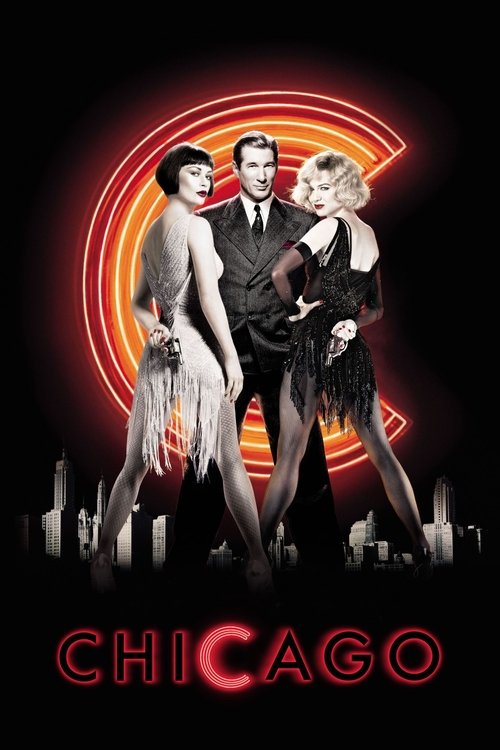
Chicago is an energetic musical that fuses crime and comedy, all set against the backdrop of 1920s jazz. While it delivers some standout moments, it has its share of pacing issues and character development that feels rushed.
Fun, But Not Without Flaws
Chicago is a vibrant yet flawed musical that entertains with its performances but stumbles in narrative coherence. While it has moments of brilliance, its uneven pacing and underdeveloped characters prevent it from reaching its full potential.
Film DNA
The scores reflect a film that's visually stunning and entertaining, yet struggles with story depth and emotional engagement. While it's worth a watch, it doesn't quite reach the heights of its more cohesive contemporaries.
Pros
- Vibrant musical performances
- Strong lead performances
Cons
- Uneven pacing
- Underdeveloped supporting characters
Musical Fans Will Enjoy
Chicago appeals to fans of musicals and those who enjoy dark comedy with a glamorous twist. It’s perfect for viewers who appreciate energetic performances and catchy tunes. However, those who prefer a straightforward narrative may find the film disjointed and the pacing uneven. People who dislike musicals—especially ones that mix comedy with serious themes—will likely struggle to enjoy Chicago's blend of styles. The film may disappoint those looking for character-driven drama, as the focus often shifts back to the flashy performances.
Murder and Fame in Chicago
The film centers around two murderesses, Velma Kelly and Roxie Hart, who find themselves on death row in a Chicago prison. Both women are vying for fame and media attention, which they believe will keep them from the gallows. As they navigate their trials and the corrupt legal system, they become rivals, showcasing their talents in extravagant musical numbers. The plot weaves through their manipulations and alliances with their slick lawyer, Billy Flynn, as they attempt to gain the public's sympathy and a shot at freedom. Amidst the glitz and glamour, the darker themes of justice and celebrity culture simmer underneath.
Strong Leads, Weak Supporting Roles
Renee Zellweger as Roxie Hart delivers a spirited performance, balancing vulnerability with ambition. Catherine Zeta-Jones shines as the charismatic Velma Kelly, her musical numbers adding depth to her character. Richard Gere, as slick lawyer Billy Flynn, adds charm but is underutilized, often overshadowed by the leading ladies. The supporting cast, including John C. Reilly's well-meaning but clueless husband, Amos, provides some laughs but lacks fully fleshed-out arcs. While the leads are strong, some characters feel more like caricatures, which distracted from the emotional stakes.
Stylish Direction, Flawed Pacing
Rob Marshall's direction infuses the film with a vibrant stage-like quality, blending theatricality with cinematic flair. The choreography is sharp and engaging, particularly in the musical numbers, which are the film's standout moments. However, the pacing suffers due to some overly long sequences that could have been trimmed for tighter storytelling. The visual palette captures the glitzy 1920s vibe, yet there are moments where the flashy style overshadows the substance, making it feel more like a show than a cohesive film narrative. There’s a slight disconnect between the charm of the musical performances and the gritty reality of the story.
Energetic but Emotionally Distant
Watching Chicago is a mixed bag. While the upbeat musical numbers are entertaining, the overall emotional engagement falters, particularly during the slower dialogue-heavy scenes. The film feels like it’s straddling two worlds: one of dramatic tension and one of musical escapism. At times, the dichotomy can be jarring, leaving viewers with a sense of boredom when the energy dips. The characters’ struggles with fame and morality resonate, but they are often overshadowed by the high-energy performances, preventing a deeper emotional connection. This creates moments of frustration, as the film hints at deeper themes but doesn't always deliver.
Watch if you liked: Moulin Rouge!, The Greatest Showman
No comments yet. Be the first to share your thoughts!