Genres
Movie Overview & Analysis
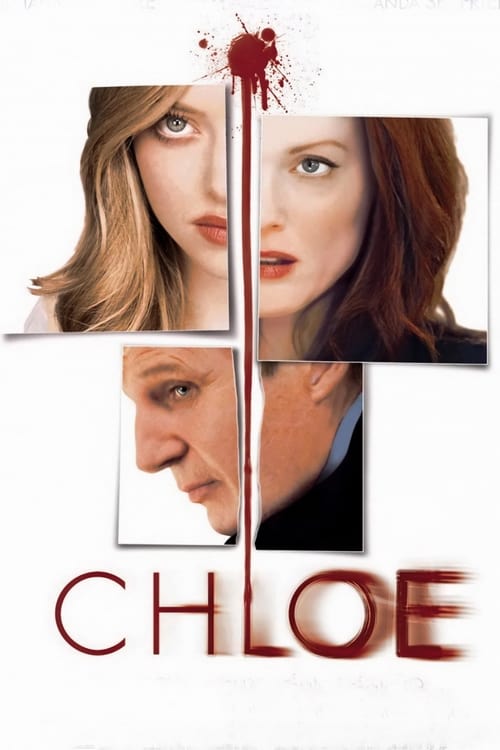
Chloe is a film that mixes emotional tension with moral ambiguity. As Catherine seeks the truth about her husband, the narrative spirals into unexpected territory, leaving viewers questioning motivations.
A Thoughtful Exploration of Trust
Chloe offers a provocative look at trust and deception within a marriage, bolstered by strong performances. While the film's pacing and unsettling themes might not suit all tastes, it delivers a worthwhile exploration of complex emotions.
Film DNA
The scores indicate a film with solid story depth and emotional weight but moderate visual impact and rewatchability. This suggests Chloe is engaging but may not have broad appeal for repeated viewings.
Pros
- Strong performances, particularly by Julianne Moore
- Intriguing exploration of complex themes
Cons
- Pacing may feel slow for some viewers
- Liam Neeson’s character feels underdeveloped
A Targeted Audience
Chloe might appeal to viewers who enjoy psychological dramas that delve into complicated relationships and moral dilemmas. Fans of character-driven narratives will likely appreciate the performances and thematic depth. However, those looking for an action-packed thriller or a light-hearted story might want to skip it. The film's slower pacing and intense emotional exploration may not resonate with everyone, making it more suited for a specific audience interested in relationships and the darker sides of human nature.
Infidelity and Deception
Catherine, played by Julianne Moore, suspects her husband David, portrayed by Liam Neeson, of infidelity. In a bid to verify her suspicions, she hires a young escort named Chloe, played by Amanda Seyfried, to gather evidence. However, as Chloe begins her interactions with David, the situation escalates rapidly, leading to a series of events that expose deeper issues in Catherine and David's marriage. The film navigates themes of jealousy, trust, and the complexities of human relationships, eventually spinning out of control in ways that challenge the characters’ perceptions of love and fidelity.
Strong Performances, Mixed Roles
The performances in Chloe are a standout element, particularly Julianne Moore’s portrayal of the emotionally complex Catherine. She expertly conveys the character's vulnerability and desperation, making her journey relatable. Amanda Seyfried as Chloe also delivers a convincing performance, capturing the character's blend of innocence and manipulation. Liam Neeson, while solid, is somewhat underutilized in a role that doesn’t allow him to fully explore his character's depth. The supporting characters, including Max Thieriot as the couple's son, add dimensions but don’t receive enough screen time to leave a lasting impact.
Atmospheric Choices
Atom Egoyan’s direction brings an intriguing style to the film, creating an atmosphere that balances tension and unease. The visual choices are marked by muted colors that echo the film’s somber themes, with deliberate pacing that allows the story to unfold slowly. The use of Toronto's landscapes provides a striking backdrop, contributing to the film’s exploration of isolation and intimacy. However, at times the pacing may feel too languid, which could challenge some viewers' engagement with the unfolding drama.
An Intense Viewing Experience
Watching Chloe feels like navigating a labyrinth of emotions. The atmosphere is tense, capturing the characters' internal struggles and uncertainties. The film evokes feelings of empathy as well as discomfort, forcing viewers to confront the uncomfortable realities of trust and betrayal. While it engages on an emotional level, some scenes may come off as unsettling rather than moving, potentially alienating audiences who prefer more straightforward narratives. Overall, it’s a thought-provoking experience, albeit a heavy one.
Watch if you liked: Fatal Attraction, The Other Woman









No comments yet. Be the first to share your thoughts!