Genres
Movie Overview & Analysis
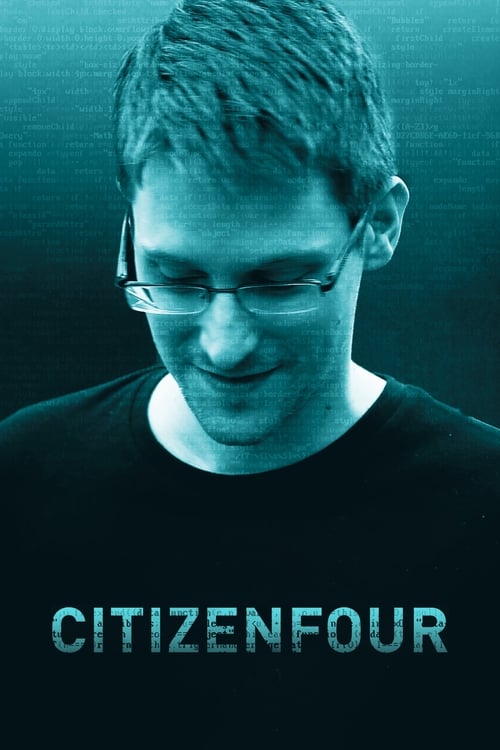
Citizenfour shines a light on the complex world of surveillance through the lens of Edward Snowden's revelations. As gripping as it is unsettling, this documentary raises crucial questions about privacy in the digital age.
A Vital Contribution to the Discourse
Citizenfour is an eye-opening documentary that succeeds in sparking vital conversations about privacy and freedom in an increasingly surveilled world. Despite its slow pacing at times, the film's strengths lie in its real-life stakes and Snowden’s compelling narrative. It’s worth watching, especially for anyone interested in the implications of our digital lives.
Film DNA
The scores reflect a strong narrative depth and originality that are somewhat offset by pacing issues and limited rewatchability. It's a thought-provoking piece that may not suit all tastes.
Pros
- Compelling real-life insights
- Strong thematic relevance
Cons
- Occasional slow pacing
- Underutilized supporting characters
Intellectuals and Documentary Fans
Citizenfour is tailored for those with a keen interest in issues surrounding privacy, surveillance, and government accountability. It will likely resonate with documentary enthusiasts who appreciate investigative storytelling. However, if you prefer lighter fare, or if you’re not keen on slow-paced, cerebral films, this might not be your cup of tea. The film demands attention and thought, so casual viewers looking for entertainment may not find it enjoyable.
A Whistleblower's Journey
The film chronicles the events of June 2013, when filmmaker Laura Poitras and journalist Glenn Greenwald met with whistleblower Edward Snowden in Hong Kong. Snowden, who worked as a contractor for the NSA, provides shocking insights into government surveillance programs that monitor ordinary citizens. As he reveals classified documents, the film captures not only the tension of their meetings but also the implications of his actions on personal freedom and security. Poitras meticulously documents the unfolding story, turning a private encounter into a global discussion about privacy rights and the role of government.
Real People, Real Stakes
In a documentary like Citizenfour, traditional acting takes a back seat to real-life testimony. Edward Snowden is unusually calm and articulate, making his revelations all the more impactful. Glenn Greenwald and Laura Poitras also contribute compellingly as they navigate the ethical dilemmas of reporting on such sensitive material. However, some of the other figures, such as Julian Assange and William Binney, feel underutilized, leaving viewers wanting more context about their perspectives. This lack of exploration might frustrate those looking for a broader understanding of the narrative.
Tension Through Handheld Shots
Laura Poitras directs with a steady hand, ensuring that the film maintains a tense atmosphere without losing focus. The visuals, primarily consisting of handheld footage and close-ups of Snowden's anxious expressions, enhance the urgency of the situation. However, the documentary's pacing can become tedious at times, with drawn-out scenes that may test the audience's attention span. The minimalist approach suits the subject matter but might leave some viewers craving more dynamic cinematography to liven up the storytelling.
A Mix of Anxiety and Frustration
Watching Citizenfour elicits a mix of anxiety and introspection. The gravity of Snowden's revelations looms large, making moments of suspense palpable. Yet, there are stretches where the pacing drags, leading to feelings of frustration rather than engagement. The film's quieter moments, while thought-provoking, can occasionally feel slow, and it might test the patience of viewers expecting a more fast-paced narrative. The emotional weight is present, but it’s interspersed with lulls that detract from the overall impact.
Watch if you liked: The Social Dilemma, Snowden








No comments yet. Be the first to share your thoughts!