Genres
Movie Overview & Analysis
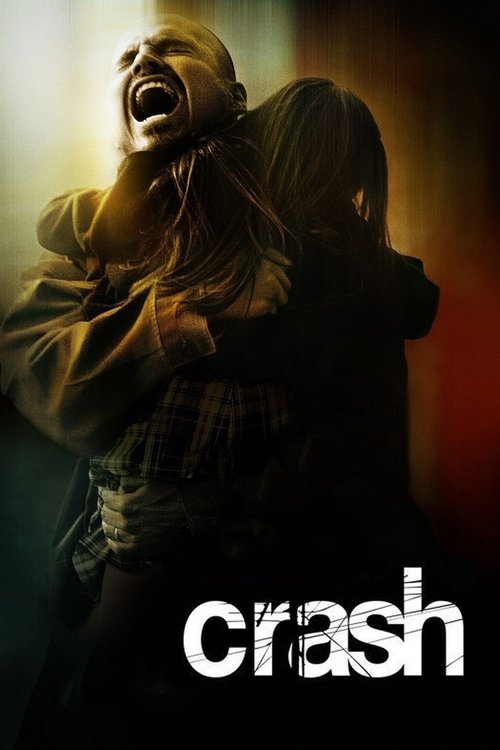
In 'Crash', Paul Haggis attempts to tackle the complexities of race and humanity in Los Angeles, but does so with varying degrees of success. While the film weaves together multiple narratives, it sometimes misses the mark in its execution.
An Ambitious Yet Flawed Effort
'Crash' stands as an ambitious attempt to tackle difficult social issues, with its strengths and weaknesses balancing out in a way that makes it worth a watch. It’s a flawed film, but one that sparks conversation—a quality I can respect, if not always enjoy.
Film DNA
The radar scores suggest that while 'Crash' has depth and visual flair, it struggles with emotional engagement and rewatchability due to its heavy-handed messaging.
Pros
- Ambitious narrative structure
- Strong performances from key cast members
Cons
- Heavy-handed messaging
- Pacing issues that drag
Target Audience and Those Who Won't
'Crash' will likely resonate with viewers who appreciate character-driven stories centered around social issues, particularly those relating to race and human interaction. However, audiences seeking a straightforward narrative or those sensitive to heavy-handed social commentary may find themselves less entertained. Fans of ensemble casts and interwoven stories will appreciate the ambition, but those who prefer subtlety and nuance over overt dramatics are likely to be disappointed.
Interconnected Lives in Tension
Set in the tense atmosphere of post-9/11 Los Angeles, 'Crash' interlaces the lives of a broad array of characters, including a Brentwood housewife, a district attorney, a Persian shopkeeper, and two police officers. Spanning just 36 hours, their interconnected stories reveal the latent racial tensions simmering beneath the surface of the city. As conflicts collide, the narrative grapples with issues of racism, privilege, and the choices people make when pushed to their limits. The film's ambition is commendable, but the heavy-handedness can at times overshadow its intended messages.
Performances with Mixed Impact
The ensemble cast features notable performances, particularly from Don Cheadle as Detective Graham Waters, who anchors the narrative with a quiet intensity. Sandra Bullock, playing Jean Cabot, delivers a surprisingly layered performance, though at times it feels more like a caricature than a character. Matt Dillon as Officer John Ryan straddles the line between villain and victim well, but some supporting roles, like Brendan Fraser's Rick Cabot, are underutilized and lack depth. While the actors shine in moments, the script doesn’t always support their efforts, leading to uneven character arcs.
Visual Choices and Pacing Concerns
Haggis’s direction combines a gritty realism with a somewhat chaotic structure, reflecting the film's themes of interconnectedness and turmoil. The cinematography captures the stark contrasts of Los Angeles—from affluent neighborhoods to dingy streets—effectively setting the mood. However, the pacing occasionally falters, dragging during moments that could have been trimmed for a tighter experience. The choice to utilize a non-linear narrative format is ambitious but can leave viewers feeling disoriented rather than engaged, making it a mixed bag in terms of visual storytelling.
Emotional Ups and Downs
Watching 'Crash' can feel like an emotional rollercoaster, with moments of genuine insight and others that provoke eye-rolls. While the film successfully elicits sympathy and outrage at times, its overt attempts to provoke discussion on race can also come off as preachy, leading to moments of frustration. Some segments feel tedious, particularly when the pacing slows to a crawl, testing the viewer’s patience. The film has its heartfelt moments, but they are often overshadowed by the awkwardness of its message delivery.
Watch if you liked: Babel, 21 Grams
No comments yet. Be the first to share your thoughts!