Genres
Movie Overview & Analysis
Park Chan-wook's 'Decision to Leave' presents an intricate mix of intrigue and seduction, but it leaves some viewers yearning for a tighter narrative. While the film's allure is undeniable, its pacing may test the patience of some audiences.
Impressive but Flawed
In the end, 'Decision to Leave' is a well-crafted film that offers an intriguing blend of mystery and romance but could benefit from tighter editing. While it has its captivating moments and solid performances, its uneven pacing may deter some viewers. It's an enjoyable watch for those who appreciate its style and thematic depths.
Film DNA
The scores reflect a film that is visually stunning and narratively rich, but its pacing and emotional engagement may hinder its replay value. Overall, 'Decision to Leave' is a blend of strong visuals and deep storytelling that might not suit everyone’s taste.
Pros
- Stunning visuals and cinematography
- Strong performances, particularly from Tang Wei
Cons
- Uneven pacing that tests patience
- Some character motivations feel underdeveloped
A Select Audience
'Decision to Leave' is for those who appreciate slow-burning thrillers and are willing to invest time in character exploration. Fans of Park Chan-wook’s previous works will find familiar themes of obsession and betrayal, but those who prefer fast-paced narratives or clear-cut resolutions may find themselves disenchanted. The film's intricate storytelling and layered characters may appeal to cinephiles who relish in analyzing complex relationships, but casual viewers seeking straightforward entertainment might want to steer clear.
Mystery at the Mountain's Edge
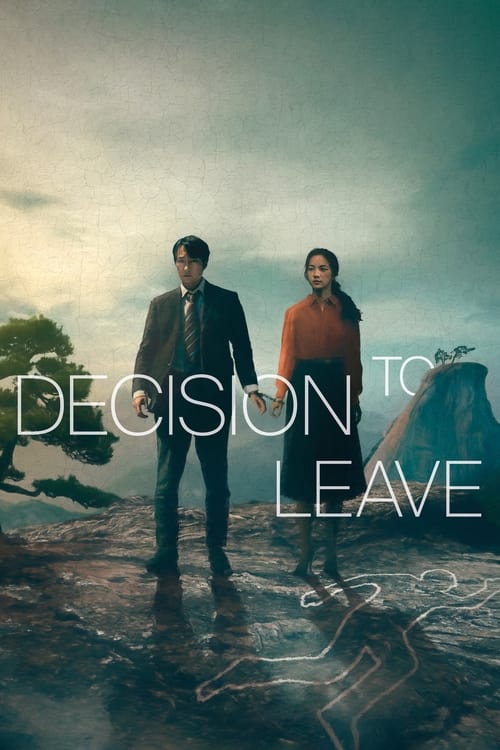
The film opens with a man’s mysterious fall from a mountain, prompting a detective named Jang Hae-joon (Park Hae-il) to investigate the circumstances surrounding his death. As he delves deeper, suspicion falls upon the deceased’s wife, Seo-rae (Tang Wei), whose enigmatic nature is both alluring and perplexing. The plot thickens with layers of deception, desire, and cultural nuances, drawing Hae-joon into a web of complex emotions that complicate his duty as a detective. The tension escalates, raising questions about love, trust, and morality as Hae-joon grapples with his growing obsession with Seo-rae amidst the investigation.
Complex Performances, Mixed Impact
Tang Wei delivers a captivating performance as Seo-rae, masterfully embodying both vulnerability and allure, which makes her character compelling. Park Hae-il as Hae-joon offers a solid portrayal, though his character occasionally feels underdeveloped, especially in the emotional stakes of his internal conflict. The supporting cast, including Lee Jung-hyun as Jeong-ahn, adds depth but sometimes gets lost in the overarching narrative. The chemistry between the leads is palpable, yet there are moments where the dialogue doesn’t match the intensity of their interactions, leaving some character motivations feeling slightly superficial.
Striking Visuals, Uneven Pacing
Park Chan-wook's direction is visually striking, as expected from the acclaimed filmmaker. The cinematography captures the contrasting beauty of South Korea's landscapes, but the pacing is uneven at times, leading to moments of drawn-out tension that could test a viewer's engagement. The editing feels meticulous, yet there are instances where it seems to favor style over substance, leaving some scenes feeling overly long. The film’s atmospheric score complements its visual aesthetic, adding layers to the emotional experience but occasionally overwhelms the dialogue, making it hard to catch every nuance.
Slow Burn with Emotional Peaks
Watching 'Decision to Leave' often feels like a slow burn, interspersed with intense emotional moments. The film's deliberate pacing enhances the tension, but there are stretches that can feel tedious, risking viewer disconnect. While the themes of forbidden love and moral ambiguity are intriguing, there might be times when the drawn-out sequences lead to frustration rather than suspense. The emotional weight of the characters' dilemmas is palpable, yet the film sometimes loses momentum, which can make the viewer feel more like a spectator than an engaged participant in their tumultuous journey.
Watch if you liked: In the Mood for Love, The Handmaiden
No comments yet. Be the first to share your thoughts!