Genres
Movie Overview & Analysis
Detachment is an earnest attempt to portray the struggles within the education system, but its heavy-handed approach can feel more like a lecture than a story. While it's poignant in parts, the film often trips over its own intentions.
Valuable but Flawed Exploration
Detachment has valuable insights and compelling moments, but its potential is undercut by uneven pacing and an overwhelming desire to be profound. While it offers a glimpse into the complexities of teaching and human connection, it often feels like a collection of vignettes rather than a cohesive narrative. It’s worth a watch for those interested in its themes, but don’t expect to leave feeling uplifted or satisfied.
Film DNA
The radar scores reflect a film with solid story depth and originality but marred by pacing issues and emotional inconsistencies. While it has its moments, it doesn't quite deliver a consistently engaging experience.
Pros
- Strong lead performance by Adrien Brody
- Unique perspective on the education system
Cons
- Pacing issues lead to boredom
- Supporting characters lack depth
An Audience for Introspective Dramas
Detachment will likely appeal to viewers who enjoy character-driven dramas that tackle serious subjects. If you appreciate films that delve into the complexities of human relationships and the struggles within the education system, this may resonate with you. However, those seeking a more conventional, fast-paced narrative will likely find themselves disengaged. The film's slow pacing and heavy themes might deter casual viewers or those looking for light entertainment. If you prefer films with clear resolutions and upbeat endings, you're probably better off skipping this one.
A Substitute Teacher's Journey
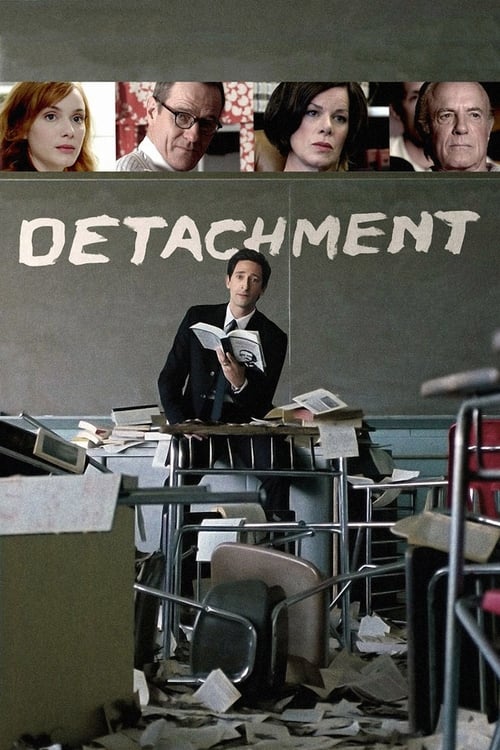
Detachment follows Henry Barthes, a substitute teacher played by Adrien Brody, as he wanders through various schools, encountering both troubled students and disillusioned faculty. The film captures a few weeks in Henry's life, exposing the harsh realities of teaching, the emotional detachment he maintains, and the profound impact of his brief connections. As he grapples with his own disillusionment and feelings of isolation, the narrative shifts between personal stories of students and their teachers, exploring themes of depression, alienation, and the search for meaning in an often indifferent world. However, the film's episodic nature sometimes hampers its overall narrative flow.
Mixed Performances in Class
Adrien Brody delivers a commendable performance as Henry, effectively embodying the character's emotional turmoil and detached demeanor. Yet, the supporting cast, including Marcia Gay Harden and James Caan, feel underutilized despite their talent. Characters like Christina Hendricks' Ms. Madison and Lucy Liu's Dr. Parker initially show promise, but their arcs lack depth and resolution. The film juggles too many characters without allowing sufficient screen time for their development, which ultimately dilutes their potential impact. This leaves the audience longing for more nuance and connection with the side stories that feel clumsily stitched together.
Visuals That Reflect Tone
Tony Kaye's direction is visually striking at times, utilizing a muted color palette that reflects the film's somber themes. However, the pacing can be uneven, with stretches that feel languid and drawn out, dragging down the intensity of the preceding scenes. The editing choices intermittently disrupt the narrative flow, causing certain moments to feel abrupt or disjointed. While Kaye's intentions are clear in creating a reflective atmosphere, the execution falters, leaving some scenes feeling overly stylized rather than organic. The cinematography captures the bleakness well, but it often does so at the expense of a cohesive viewing experience.
Frustrating Emotional Rhythms
Watching Detachment can be a mixed bag; moments of genuine poignancy are often sandwiched between long stretches of introspection that test your patience. The film aims to inspire reflection on the state of education and the human condition, yet it occasionally veers into melodrama, which can feel forced. The emotional beats sometimes miss their mark, leaving the audience feeling more numb than moved. The dialogue is often heavy with exposition, further draining the emotional resonance that might have been achieved through more subtle storytelling. While it has its highs, the lows can be quite tedious, leading to a viewing experience that's more frustrating than fulfilling.
Watch if you liked: Dead Poets Society, Half Nelson
No comments yet. Be the first to share your thoughts!