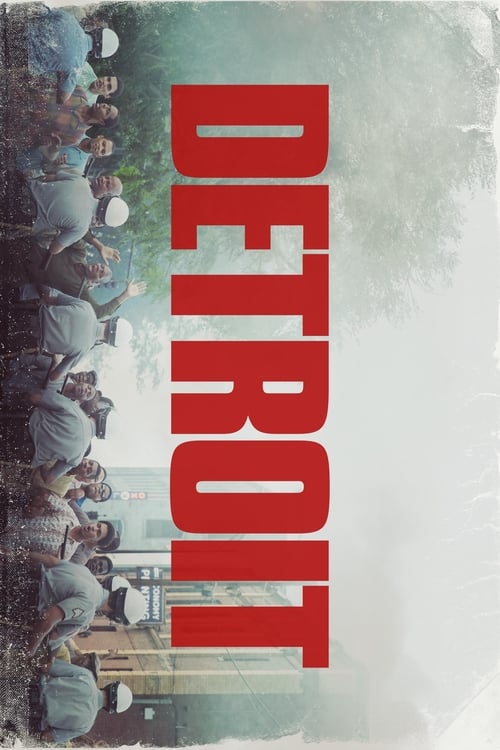
Genres
Movie Overview & Analysis
Detroit attempts to capture a pivotal moment in American history but struggles with pacing and focus. Despite strong performances, the film's length drags at times.
Important Themes, Yet Flawed
Detroit is a solid film that captures a significant historical moment with urgency, but its execution is marred by pacing issues and underdeveloped characters. While it carries an important message, some viewers may find themselves fatigued by its length before the film delivers its intended impact.
Film DNA
The radar scores reflect a film rich in historical context and visual impact but lacking in emotional engagement and narrative originality. It’s worth a watch but may not invite repeated viewings.
Pros
- Strong performances, especially from John Boyega
- Intense and realistic depiction of the riots
Cons
- Pacing issues lead to moments of boredom
- Certain characters feel underdeveloped and lack depth
Who Will Find This Engaging?
This film will resonate with those interested in historical dramas that tackle social issues, particularly regarding race and police violence. However, viewers looking for a straightforward narrative with clear resolutions will likely be disappointed. The slow pacing and heavy themes may alienate those who prefer lighter, more fast-paced stories. Detroit is not for the faint-hearted or those seeking escapism; it's a gritty dive into a troubling chapter of American history that demands a certain level of patience and understanding.
A Tense Moment in History
Set against the chaotic backdrop of the 1967 Detroit riots, the film follows a police raid that goes horribly wrong, leading to escalating violence and unrest. John Boyega plays Melvin Dismukes, a security guard caught between the rioters and the police. The narrative delves into the racial tensions that boiled over during this time, primarily focusing on the experiences of a group of African American men who find themselves victims of police brutality. The film aims to illuminate the social struggles of the era, but its execution sometimes falters, leading to a narrative that feels both heavy and somewhat unfocused.
Performances Under Pressure
The ensemble cast delivers commendable performances, with John Boyega's portrayal of Melvin Dismukes anchoring the film. Will Poulter stands out as the antagonistic officer Philip Krauss, portraying a disturbing blend of authority and menace. However, some characters, particularly those played by Jason Mitchell and Algee Smith, feel underdeveloped, which detracts from the overall impact of their stories. In a film where character emotion is crucial, certain performances can feel overshadowed or lacking in depth, leaving viewers wanting more background to connect with them fully.
Gritty Choices, Mixed Results
Kathryn Bigelow's direction brings an intense realism to the film, capturing the raw energy of the riots and the claustrophobia of the hotel scene. The cinematography effectively conveys the chaos and confusion of the time, though at times it feels overly stylish at the expense of narrative clarity. The editing can also be jarring, with scenes dragging longer than necessary, losing momentum. Despite these flaws, Bigelow's choice to maintain a gritty, unfiltered aesthetic helps emphasize the film's serious themes, even if the execution occasionally falls short.
Emotionally Draining Experience
Watching Detroit can be an emotionally exhausting experience. While it effectively highlights the horror of police brutality, the film's lengthy runtime sometimes leads to moments of tedium. Certain sequences feel drawn out, which can dull the emotional impact the film aims to achieve. The tension does build, but not without some frustrating lulls that might cause viewers to lose focus. The heavy themes demand attention, yet the pacing issues can make it difficult to stay engaged throughout its 143-minute runtime.
Watch if you liked: 12 Years a Slave, Selma








No comments yet. Be the first to share your thoughts!