Genres
Movie Overview & Analysis
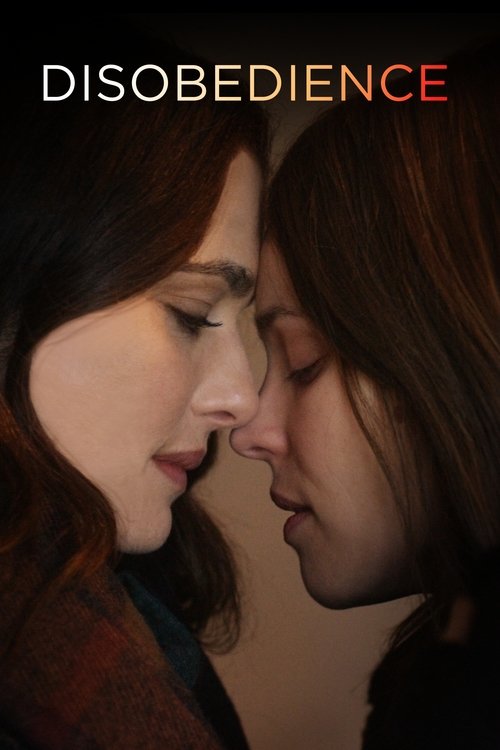
Disobedience is an introspective drama that delves into the complexities of love and faith. Set within the context of Orthodox Judaism, it explores the intense relationship between two women navigating their past and present.
A Worthy Exploration of Love
Disobedience offers a nuanced exploration of love against the backdrop of cultural traditions. While it has its slow moments, the performances and visual storytelling create a rich, if sometimes challenging, experience.
Film DNA
The radar scores reflect a film that excels in emotional depth and story engagement while offering solid visuals. However, it may lack in rewatchability and some aspects of originality.
Pros
- Strong performances by Weisz and McAdams
- Thoughtful exploration of complex themes
Cons
- Some supporting characters feel underdeveloped
- Pacing may be slow for some viewers
For Lovers of Deep Narratives
Disobedience is likely to resonate with viewers interested in LGBTQ themes, particularly those who appreciate character-driven narratives exploring the complexities of love constrained by societal norms. Fans of films that emphasize emotional depth and cultural exploration will likely find value in this piece. However, those seeking a fast-paced story or more conventional romantic tropes might find it slower and less engaging. It’s a film that demands attention and reflection, appealing primarily to those with a taste for thoughtful storytelling.
A Journey Back to Roots
The film follows Ronit, a photographer who returns to London after her father's death, only to find herself back in the Orthodox Jewish community that once shunned her. Here, she reconnects with Esti, her childhood friend, and former love. As they rekindle their romance, the film examines the intersections of faith, sexuality, and societal expectations in a world that has largely rejected their bond. The narrative unfolds with a sense of both urgency and quiet contemplation, highlighting the struggles each character faces in reconciling their desires with their cultural identities.
Powerful Performances at Play
Rachel Weisz delivers a thoughtful performance as Ronit, embodying the character's emotional turmoil with subtlety. Rachel McAdams shines as Esti, displaying a palpable chemistry with Weisz that draws the viewer into their complex relationship. Alessandro Nivola's portrayal of Dovid adds depth, serving as a bridge between the two women and their community. While the central performances are strong, some supporting characters feel underdeveloped, lacking narrative arcs that could have enriched the overall experience.
Intimate and Thoughtful Direction
Sebastián Lelio's direction is marked by an intimate, restrained style that beautifully captures the tension between the characters. The visual choices often emphasize the contrast between the restrictive environment of the Orthodox community and the personal desires of the protagonists. Cinematographer Danny Cohen utilizes a muted color palette and soft lighting that enhances the film's emotional weight, though at times the pacing may feel slow for viewers expecting a more dynamic narrative. The settings are meticulously crafted, grounding the story in its cultural context without overshadowing the personal journeys.
An Atmospheric Experience
Watching Disobedience feels like a quiet introspection on the nature of love and sacrifice. The film evokes a range of emotions, from nostalgia to longing, as it navigates the delicate balance between personal happiness and cultural obligation. The atmosphere is heavy with unspoken feelings, and while it can be intense, it allows for moments of genuine connection between the characters. Audiences may find themselves invested in Ronit and Esti's journey, feeling both their pain and their hope, making for a rewarding yet challenging viewing experience.
Watch if you liked: Carol, The Handmaiden






No comments yet. Be the first to share your thoughts!