Genres
Movie Overview & Analysis
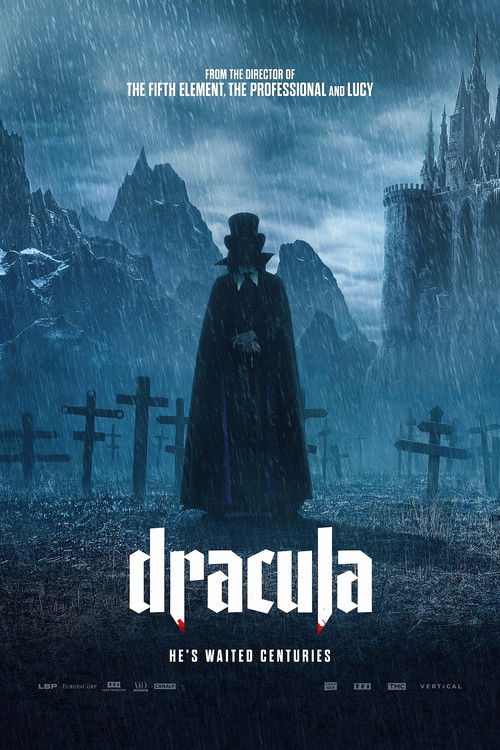
Luc Besson's 'Dracula' offers a fresh twist on the classic tale of the iconic vampire. With a unique blend of horror, fantasy, and romance, it seeks to explore the depths of love and loss.
A Striking Yet Flawed Experience
Overall, 'Dracula' presents an intriguing reinterpretation of a classic tale, balancing horror and romance effectively. While it has its shortcomings in pacing and character development, the film still offers a visually rich experience and emotional depth that makes it worth a watch for genre enthusiasts.
Film DNA
The radar scores highlight a solid narrative depth and strong visual impact, though emotional weight and entertainment value could use more development. It's a decent watch but with areas for improvement.
Pros
- Strong visual aesthetics capturing gothic themes
- Solid performances, especially by the leads
Cons
- Pacing issues that hinder engagement
- Underdeveloped supporting characters
Niche Audience Appeal
This film might appeal to fans of gothic horror and romantic dramas, as it reinterprets the Dracula story with a focus on love and sacrifice. Viewers who appreciate stylistic visuals and historical context will likely find enjoyment here. However, those who prefer fast-paced narratives with clear-cut character arcs might feel unsatisfied, given the film's slower pacing and occasional ambiguity in character motivations. It's best suited for those willing to immerse themselves in a more poetic take on the vampire mythos.
A Tale of Love and Loss
Set in late 15th-century Eastern Europe, the film follows Prince Vlad II, whose life spirals into darkness after the brutal murder of his wife, Elisabeta. In his grief and rage, he renounces God and embraces a curse that transforms him into Dracula, an immortal figure determined to reclaim his lost love. The film navigates through themes of eternal life and the lengths one would go to for love, all while intertwining historical elements with fantastical lore. As he battles both external and internal demons, Vlad's journey is marked by violence and devotion amidst a blood-soaked crusade.
Performances in the Shadows
Caleb Landry Jones delivers a solid performance as Vlad/Dracula, showcasing a mix of vulnerability and menace. Zoë Bleu Sidel as Elisabeta brings a haunting beauty to her role, effectively embodying the lost love that drives Vlad. Christoph Waltz appears as a priest, adding a touch of gravitas, although his character feels somewhat underdeveloped. While the main characters benefit from substantial backstories, some supporting roles, like Jonathan Harker, played by Ewens Abid, feel limited in scope, missing opportunities for deeper exploration.
Gothic Style Choices
Luc Besson's direction in 'Dracula' is marked by a mix of atmospheric visuals and carefully constructed set pieces that evoke the historical setting. The cinematography captures the dark, gothic aesthetic, emphasizing shadows and dramatic lighting to enhance the horror elements. However, the pacing occasionally falters, leading to moments where the narrative drags. Besson’s choice to blend modern visual techniques with traditional horror elements creates a visually intriguing experience, though it could have benefitted from tighter editing to maintain engagement throughout.
Romance Meets Darkness
Watching 'Dracula' evokes a sense of melancholy intertwined with intense passion. The film effectively conveys the emotional weight of loss and the desire for redemption, particularly through Vlad's character arc. There are moments that resonate deeply, especially in scenes depicting his love for Elisabeta. However, some audience members may find the emotional impact diluted by uneven pacing and occasional lapses in character development. Overall, the atmosphere is dark and brooding, drawing viewers into Vlad's tragic world, yet leaving some emotional threads untied.
Watch if you liked: The Others, Only Lovers Left Alive

No comments yet. Be the first to share your thoughts!