Genres
Movie Overview & Analysis
Drive My Car is a slow burn that demands patience and introspection. If you’re in the mood for a leisurely exploration of grief and connection, this might be your jam.
Engaging, But Slow
Drive My Car presents a rich tapestry of grief and connection, but its languid pace may alienate some viewers. While it has beautiful moments and strong performances, the film could benefit from tighter editing to keep the audience more engaged throughout.
Film DNA
While Drive My Car offers solid emotional depth and strong originality, its pacing issues may hinder its overall entertainment value.
Pros
- Strong performances from the leads
- Thoughtful direction and cinematography
Cons
- Slow pacing may frustrate viewers
- Some character arcs feel underdeveloped
Not Your Typical Drama
This film is likely to resonate with viewers who appreciate slow cinema and character-driven narratives. If you enjoy films that invite reflection and don’t shy away from lengthy explorations of grief and connection, Drive My Car is for you. However, those looking for a fast-paced plot or conventional storytelling will likely feel bored and disconnected from its methodical rhythm. It demands a certain mindset to appreciate its subtleties.
A Journey Through Grief
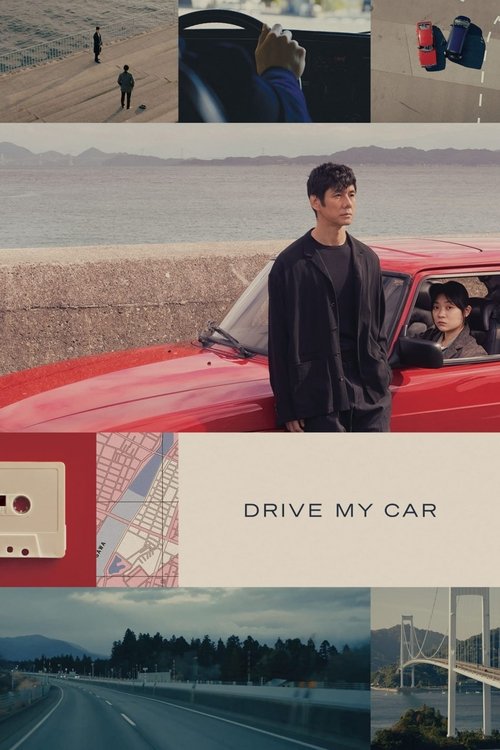
Yusuke Kafuku, a stage actor still grappling with the death of his wife, takes on the challenge of directing Uncle Vanya at a theater festival in Hiroshima. He meets Misaki, a reserved young woman who becomes his driver. As they navigate the city together, the car rides become a space for revealing past secrets and personal confessions. The narrative unfolds over 179 minutes, taking its time to build emotional depth, but often risks losing the audience's attention with its leisurely pace and deliberate pacing.
Quiet Performances, Mixed Impact
Hidetoshi Nishijima delivers a solid performance as Yusuke, embodying the complexities of a grieving man with restraint. Toko Miura as Misaki brings a quiet strength, though her character feels somewhat underexploited, leading to moments where emotional connections seem forced. Supporting cast members like Masaki Okada, as Kōshi Takatsuki, do well to flesh out the world of theater and add layers, but some characters could use more development to avoid feeling like mere plot devices.
Thoughtful Direction, Lethargic Pace
Ryusuke Hamaguchi’s direction is thoughtful, creating an immersive atmosphere that complements the themes of loss and reflection. The cinematography captures Hiroshima's beauty in a way that adds to the narrative without overwhelming it, yet the pacing can feel lethargic, especially during extended dialogue scenes. While the slow approach allows for contemplation, it can also test the viewer's endurance. There are moments of striking visual storytelling, but some sequences drag on, leaving you feeling less connected than intended.
Patience Required for Engagement
Watching Drive My Car is an exercise in patience. The emotional weight is palpable, especially during key moments of revelation, but the film's slower segments can sometimes feel tedious. You may find yourself checking the runtime, wishing for a bit more momentum in the narrative. There are poignant interactions that resonate deeply, but the film often indulges in extended silences and contemplative scenes that can frustrate rather than engage, making it a mixed bag in terms of emotional engagement.
Watch if you liked: Paterson, The Seventh Seal
No comments yet. Be the first to share your thoughts!