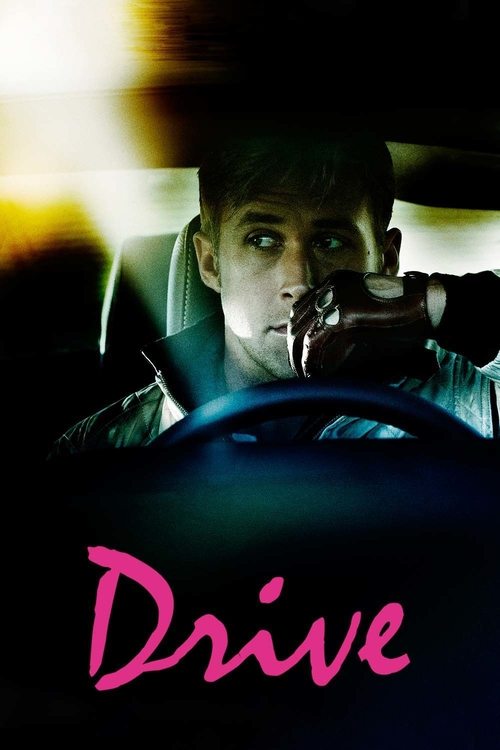
Genres
Movie Overview & Analysis
Drive is a slick, stylish film that manages to balance tension and character depth, but it doesn't escape some significant pacing issues. As beautiful as it is, the film occasionally sacrifices narrative urgency for aesthetic flair.
A Unique Cinematic Blend
Drive offers a unique cinematic experience that blends stunning visuals with moments of genuine emotion. While it stumbles in pacing and character depth, particularly for its supporting cast, it remains an intriguing film that stands out in the genre.
Film DNA
The radar scores show a film that excels visually and maintains a unique story, but it falters with pacing issues that may hinder its entertainment value for some viewers.
Pros
- Stunning visual style
- Strong performance by Ryan Gosling
Cons
- Pacing issues in the middle act
- Underdeveloped supporting characters
For the Patient Viewer
Drive is perfect for fans of stylistic crime dramas that prioritize character over constant action. If you appreciate slow-burn narratives and aesthetic visuals, this film will likely resonate. However, those who prefer fast-paced thrillers or more conventional storytelling will probably find themselves bored. Its heavy use of silence and minimal dialogue can alienate viewers who expect a more traditional narrative arc, making it not for everyone, and definitely not for those looking for a straightforward action flick.
The Life of a Getaway Driver
The film follows a nameless character known simply as Driver, a Hollywood stuntman who moonlights as a getaway driver. His life takes a turn when he befriends his neighbor Irene and her son Benicio. After Irene's husband, Standard, is released from prison, he ropes Driver into a daring heist that goes awry. As chaos unfolds, Driver finds himself entangled with dangerous criminals intent on revenge. The storyline weaves through themes of loyalty and brutality, contrasting the protagonist's introspective nature with the violent world he's pulled into, creating a tense backdrop for character development.
Performances with Mixed Depth
Ryan Gosling delivers a nuanced performance as Driver, capturing the character's stoic exterior and inner turmoil effectively. Carey Mulligan as Irene adds some emotional depth, though her character often feels underwritten. The real standout is Albert Brooks as Bernie Rose, whose portrayal of the ruthless crime lord is both chilling and compelling. However, Bryan Cranston's character, Shannon, is often sidelined, leaving his potential as a mentor figure largely unfulfilled. The lack of development for supporting characters can detract from the overall impact, especially in a film that heavily relies on interpersonal dynamics.
Visual Style Over Substance
Nicolas Winding Refn's direction is visually striking, utilizing neon colors and stylized violence that are almost hypnotic. The film's cinematography captures Los Angeles in a way that feels both haunting and alluring. However, Refn's insistence on long, drawn-out scenes can interrupt pacing, making some moments drag when they could have used some tightening. The sound design is equally notable, with an atmospheric score that enhances the mood but occasionally overshadows dialogue, creating a disconnect in character interactions.
Tension and Patience Required
Watching Drive is a mixed bag of tension and introspection. While there are moments that genuinely resonate, such as Driver's interactions with Irene and Benicio, the film can feel slow, particularly in its middle act. The pacing might frustrate viewers who prefer a more action-driven plot. The emotional stakes are present, but the weight of tension often dissipates during lengthy sequences that seem to prioritize style over substance. It’s a film that demands patience but rewards the viewer with its unique blend of violence and vulnerability.
Watch if you liked: Blade Runner 2049, Only God Forgives


No comments yet. Be the first to share your thoughts!