Genres
Movie Overview & Analysis
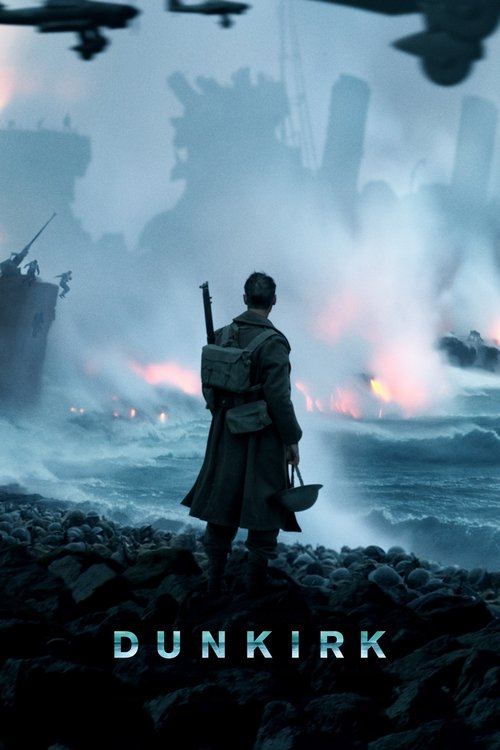
Dunkirk is a war film that tries hard to be more than just a visual spectacle. With Christopher Nolan at the helm, you can expect stylish direction, but does it come at the cost of depth?
Visually Stunning, Emotionally Distant
Dunkirk stands as a visually stunning attempt to depict a historical event with a fresh perspective. While it stumbles in character development and pacing, there's no denying its technical prowess. It's an ambitious film that may not resonate with everyone, but it’s certainly worth watching for its unique execution.
Film DNA
The scores suggest Dunkirk excels in visual impact and originality, but struggles with emotional depth and storytelling, which may hinder its rewatchability.
Pros
- Visual storytelling techniques
- Strong performances from leads
Cons
- Underdeveloped character arcs
- Uneven pacing in storytelling
For War Film Aficionados
Dunkirk will likely appeal to war film enthusiasts and those who appreciate Nolan's penchant for bold storytelling techniques. However, viewers looking for deep character-driven narratives or a straightforward plot might find it lacking. If you prefer films rich in dialogue and emotional connections, you might end up feeling alienated by Nolan’s minimalist approach. It’s not for the casual viewer; you'll need to be prepared for a unique, if not disjointed, cinematic experience.
A Battle for Survival
Set during World War II, Dunkirk chronicles the harrowing evacuation of Allied soldiers from the beach at Dunkirk, France, amid relentless German attacks. The film interweaves three separate timelines: land, sea, and air. Soldiers like Tommy (Fionn Whitehead) endure the chaos on the beaches, while Mr. Dawson (Mark Rylance) sails a civilian boat to aid the rescue. In the air, pilot Farrier (Tom Hardy) fights to protect the evacuation from above. The story unfolds with minimal dialogue, relying on visual storytelling to immerse the audience in the tension and fear facing the soldiers as they await rescue.
Character Depth Lacking
The cast delivers solid performances, but some characters feel underdeveloped. Fionn Whitehead's portrayal of Tommy is compelling, capturing the desperation of a soldier. Tom Hardy, even with limited dialogue as Farrier, evokes a real sense of heroism. However, Kenneth Branagh's Commander Bolton, while well-acted, seems overshadowed by the more action-oriented characters. Harry Styles as Alex is surprisingly effective, but at times, you can't shake the feeling that some of the ensemble cast, like Cillian Murphy’s Shivering Soldier, don’t get enough screen time to leave a lasting impact.
Striking Yet Uneven
Nolan's direction is undeniably ambitious, employing non-linear storytelling and a minimalistic approach to dialogue that places emphasis on visuals and sound. The cinematography by Hoyte van Hoytema is striking, capturing both the vastness of the beach and the claustrophobic intensity of battle. However, the relentless focus on style can lead to moments where the pacing feels uneven, with some scenes dragging while others rush by. The use of IMAX and practical effects engages the viewer, but it may alienate those who prefer a more traditional narrative structure.
Tension with Distant Feelings
Watching Dunkirk can be a mixed experience. While the tension is palpable, the almost detached narrative style may leave some viewers frustrated. There aren’t many emotional arcs to grab onto, given the film's focus on spectacle over character development. The lack of traditional storytelling can lead to moments of boredom, especially during the slower sections. However, when the action does ramp up, it creates a sense of urgency that keeps you on edge. It's a film that demands patience, rewarding those who can stay invested in its immersive atmosphere.
Watch if you liked: 1917, Saving Private Ryan



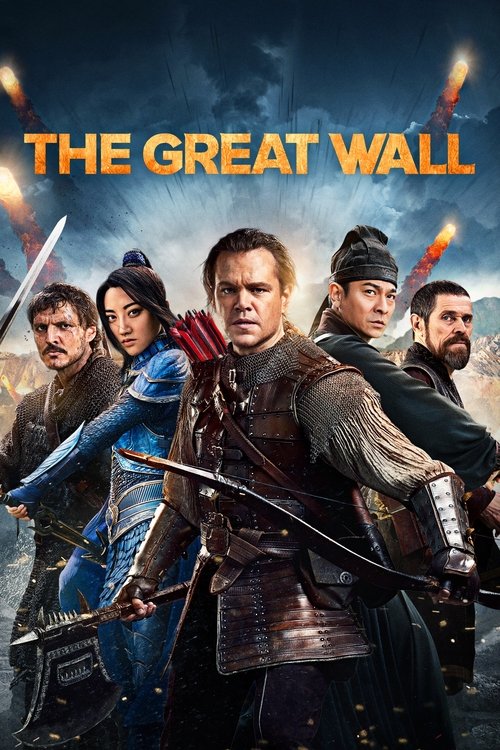
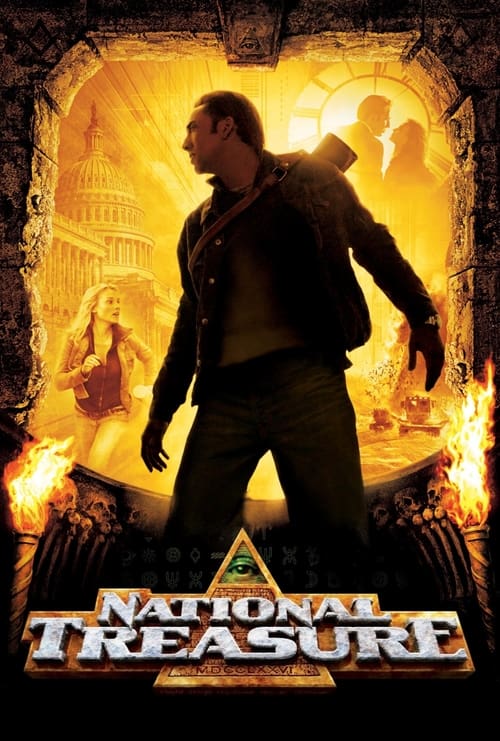
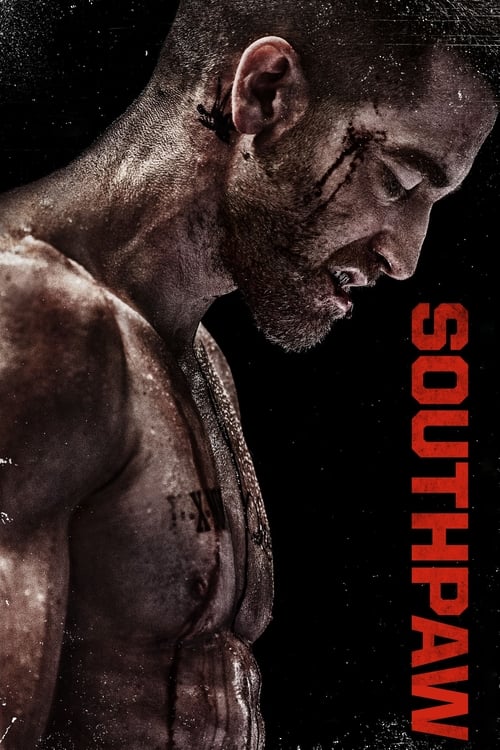
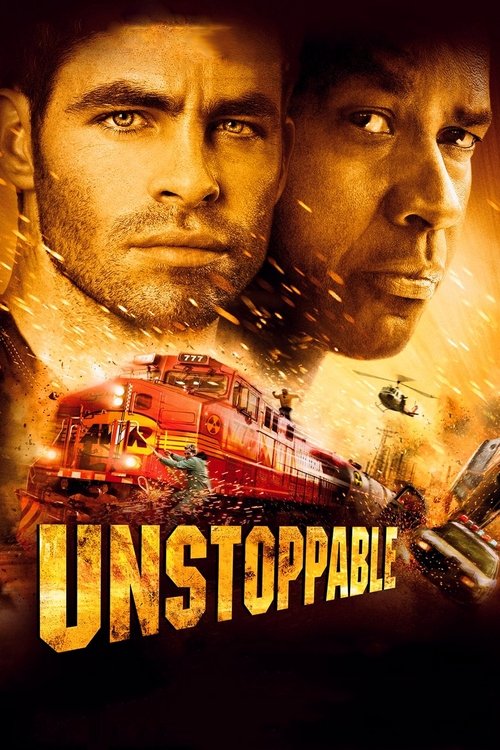
[…] Watch if you liked: Gallipoli, Dunkirk […]
[…] if you liked: Dunkirk, Pearl […]