Genres
Movie Overview & Analysis
Emma. offers a vibrant retelling of Jane Austen's classic novel, but it's not without its shortcomings. While the film charms with its visuals and performances, it occasionally stumbles through its pacing and character development.
Set in the early 19th century, Emma. follows the titular character, Emma Woodhouse, portrayed by Anya Taylor-Joy, a wealthy young woman who believes she excels at matchmaking. With a mix of wit and obliviousness, she meddles in the romantic lives of her friends, often with comically disastrous results. The film captures her misguided confidence and eventual self-discovery amidst a backdrop of societal norms and romantic entanglements. Though the premise promises delightful chaos, the execution sometimes falls flat, dragging out certain plot lines without real payoff.
Anya Taylor-Joy certainly shines as Emma, embodying the character's complexities with a blend of charm and entitlement. Johnny Flynn as George Knightley also brings a grounded presence, though his chemistry with Taylor-Joy feels occasionally subdued. While the supporting cast, including Bill Nighy and Mia Goth, provides moments of levity, some characters like Mr. Elton played by Josh O'Connor, feel underutilized, leading to an imbalance in depth across the ensemble. The lack of development for many of Emma's acquaintances leaves their arcs feeling disjointed.
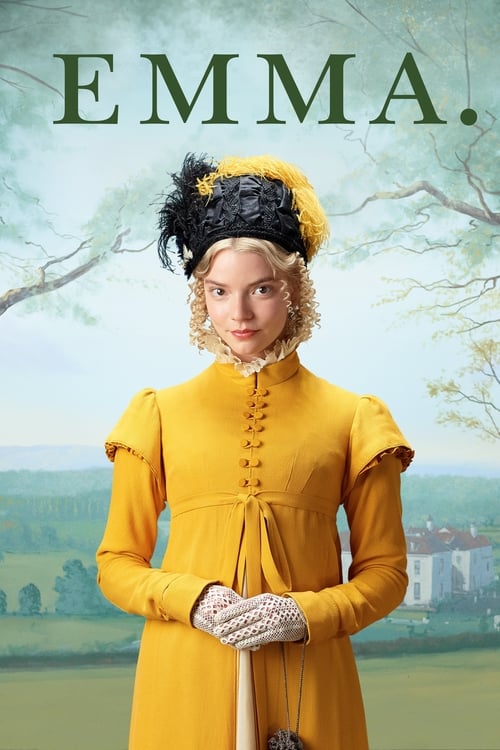
Autumn de Wilde's direction brings a fresh, stylish touch to the period piece. The film is visually striking, with lush countryside shots and meticulously designed costumes that transport the audience to the Georgian era. The vibrant colors and dynamic framing serve to elevate the narrative, yet there’s a tendency for the visual flair to overshadow character depth. The pacing suffers, as certain scenes linger too long without substantial impact, making it feel less like a story unfolding and more like a series of curated tableaux.
Emma. oscillates between amusing and tedious, with its lighter moments often interrupted by stretches of tedious exposition. While there are clever quips and playful banter, the film sometimes lingers on scenes that would benefit from tighter editing. The emotional stakes feel diluted as characters fail to evolve meaningfully, leaving viewers yearning for more substantial interactions. By the film's end, the intended emotional resonance feels somewhat eclipsed by the overarching lightness, resulting in a viewing experience that's pleasant but occasionally frustrating.
This film is ideal for those who enjoy period dramas with a touch of humor but may not resonate with audiences looking for depth or intense storytelling. Fans of Jane Austen will likely appreciate the adaptation, but those seeking a more serious or faster-paced narrative might find it lacking. Viewers who prefer conflict-driven plots may be disappointed by Emma's more leisurely approach to romance, which can be too light and whimsical for more serious tastes.
Emma. is an enjoyable watch, particularly for fans of romantic comedies set in period contexts, but it struggles with pacing and character development. While its visual presentation is impressive, the film could benefit from a tighter narrative and deeper character arcs. Ultimately, it's a charming, though imperfect, adaptation.
Film DNA
The radar scores reflect a film that excels visually but struggles in emotional depth and story pacing. It's entertaining but may not hold up on repeated viewings.
No comments yet. Be the first to share your thoughts!