Genres
Movie Overview & Analysis
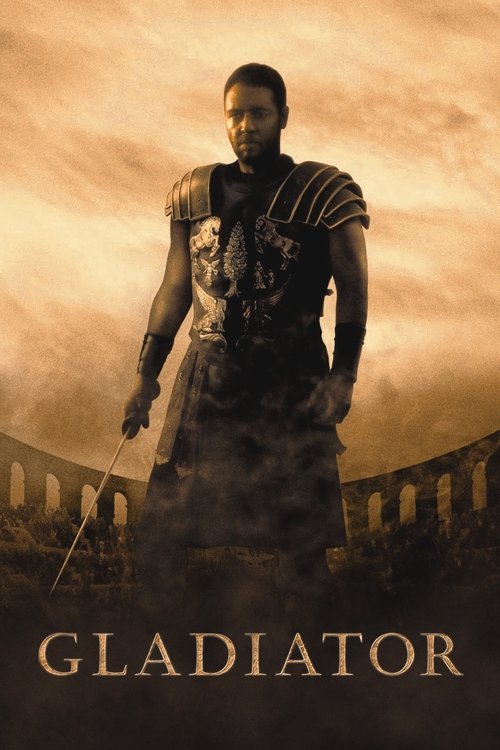
Ridley Scott's 'Gladiator' is a grand spectacle that remains a staple of early 2000s cinema. Despite its frequent acclaim, it falls into some predictable traps that lower its status from legendary to just very good.
Ambitious Yet Flawed Entertainment
'Gladiator' is undeniably a cinematic achievement with its grand visuals and powerful performances, but it falters under the weight of its own ambition. While it has moments that will leave you breathless, the film could have benefited from tighter editing and stronger character development. It's worth watching if you're in the mood for a dramatic exploration of power and revenge.
Film DNA
The radar scores indicate a solid mix of strong visuals and emotional impact, though some storytelling weaknesses lower its overall rewatchability. It's a worthwhile experience, but not without its flaws.
Pros
- Strong performances, particularly by Crowe and Phoenix
- Visually stunning with epic battle sequences
Cons
- Pacing issues, especially in the second act
- Some characters feel underdeveloped or one-dimensional
Epic Fans or Casual Viewers?
'Gladiator' is perfect for fans of epic dramas and historical action films, especially those who appreciate a blend of philosophical themes with robust storytelling. However, viewers looking for a light-hearted or action-driven experience may find it too slow and heavy. The film's complex themes and sometimes slow pacing will not sit well with those who prefer fast-paced narratives. Additionally, it might not appeal to audiences who dislike scenes centered around violence or the moral ambiguity of its characters. The film's depth demands attention and contemplation, which is not everyone's cup of tea.
A Tale of Betrayal and Revenge
'Gladiator' tells the tale of Maximus Decimus Meridius, played by Russell Crowe, a once-loyal general who is betrayed by the ambitious Commodus (Joaquin Phoenix), who usurps the throne after the death of his father. Stripped of his rank and forced into slavery, Maximus fights his way through the brutal world of gladiators, seeking vengeance against those who wronged him. The film weaves in themes of honor, revenge, and the corrupting influence of power, all set against the backdrop of ancient Rome. While the narrative has its engaging moments, it sometimes feels stretched out, particularly in its second act, which could have benefitted from tighter editing.
Strengths and Weaknesses of Performances
Russell Crowe brings a raw intensity to his role as Maximus, crafting a complex character that embodies strength and vulnerability. Joaquin Phoenix delivers a compelling performance as Commodus, though at times his character feels a bit one-dimensional, lacking depth beyond his jealousy and cruelty. Connie Nielsen as Lucilla provides a necessary female perspective, but her role feels somewhat underwritten. The supporting cast, including Richard Harris as Marcus Aurelius and Oliver Reed as Proximo, is solid, yet overshadowed by the larger-than-life central characters. Unfortunately, some characters are reduced to mere plot devices, which is a shame given the film’s historical richness.
Visuals That Capture and Distract
Ridley Scott's direction is both ambitious and atmospheric, capturing the grandeur of ancient Rome with sweeping landscapes and visceral combat scenes. The cinematography is striking, utilizing a muted color palette that enhances the film’s dark themes. However, the pacing suffers notably; certain scenes linger longer than necessary, diluting their impact. The action sequences are well choreographed, but they occasionally feel repetitive as the film progresses. Additionally, the reliance on CGI can detract from the authenticity of the historical setting, which may frustrate purists. Overall, the direction has its high points but also suffers from lapses in editing.
High Stakes and Long Pauses
Watching 'Gladiator' is an experience filled with tension and bursts of adrenaline, but it’s also punctuated by moments of drawn-out dialogue that test your patience. The film excels in high-stakes battles and emotional confrontations, particularly the intense scenes between Maximus and Commodus. Yet, there are stretches where the narrative drags, especially when focusing on political machinations that may lose the audience’s interest. The emotional weight of loss and betrayal resonates well, but the film's lengthy runtime can lead to a sense of fatigue by the end, leaving viewers yearning for a tighter story.
Watch if you liked: Braveheart, The Last Duel
No comments yet. Be the first to share your thoughts!