Genres
Movie Overview & Analysis
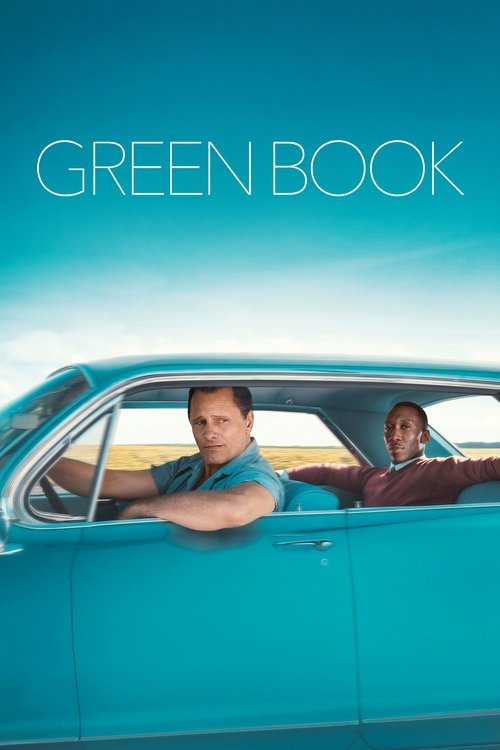
Green Book is a film that promises a heartfelt story but in many ways, feels like a carefully polished version of reality. With its comedic undertones, it often skirts deeper issues in favor of feel-good moments.
Entertaining Yet Surface-Level
Green Book offers an entertaining blend of humor and heart, albeit while sidestepping the more challenging aspects of its narrative. It’s a film that succeeds on some levels but falters in others, ultimately leaving you wanting a deeper exploration of its themes.
Film DNA
The scores reflect a film that is entertaining but lacks depth and originality. While it has strong emotional moments, it doesn't fully capitalize on its themes.
Pros
- Strong performances from the leads
- Humorous and engaging moments
Cons
- Oversimplification of serious themes
- Underdeveloped supporting characters
Selective Audience Appeal
This film is tailored for audiences who enjoy uplifting stories about friendship against a historical backdrop. Those who appreciate a comedic approach to serious themes will likely find it satisfying. However, viewers seeking a raw, unfiltered exploration of race relations may find Green Book lacking, as it leans heavily into feel-good moments that shy away from the harsher realities of its subject matter. Critics of simplistic narratives will likely have a harder time digesting the film's attempts to sanitize complex issues.
A Journey Through the South
Set against the backdrop of the 1960s, Green Book follows Tony Lip, a tough-talking bouncer played by Viggo Mortensen, as he embarks on a tour with African American pianist Don Shirley, portrayed by Mahershala Ali. The film navigates their unlikely friendship while confronting the harsh realities of racism and segregation in the Deep South. As they travel from city to city, the duo encounters an array of obstacles, from discriminatory establishments to their own biases, all portrayed through a lens of humor and camaraderie. The journey highlights the importance of connection and understanding across cultural divides, ultimately aiming for a heartfelt resolution.
Performances That Shine
Viggo Mortensen delivers a solid performance as Tony Lip, bringing both humor and depth to a character that could have easily fallen into stereotypes. Mahershala Ali, while excellent as Don Shirley, sometimes feels underutilized, with his character's complexities overshadowed by the film’s focus on Tony's perspective. Their chemistry is palpable, yet the supporting cast, including Linda Cardellini as Tony’s wife, often feels like afterthoughts rather than integral parts of the narrative. There's a missed opportunity to explore the emotional weight of Shirley's experience more thoroughly, leaving viewers craving a more nuanced portrayal.
A Polished but Superficial Look
Peter Farrelly's direction often opts for a lighthearted approach, which, while engaging, can also undermine the film's more serious themes. The cinematography captures the beauty of the American South, but the visual style lacks the grit that could have accentuated the film's historical context. The pacing sometimes drags in the second act, leading to moments where the stakes feel diminished. Although the film is well-shot, it doesn't quite leverage its visual potential to create a more immersive experience, choosing instead to lean into humor over depth.
An Uneasy Emotional Balance
Watching Green Book can evoke a mix of emotions, from laughter to moments of discomfort as it touches on serious issues of race and friendship. However, the film's tendency to wrap up conflicts neatly can lead to frustration, as real-life struggles rarely resolve so easily. The light-hearted tone sometimes feels like an evasion of the deeper discomforts faced by marginalized individuals at the time. While some scenes pull at the heartstrings, others risk trivializing the very real experiences of those affected by racism, leaving viewers in a state of emotional dissonance.
Watch if you liked: The Help, Hidden Figures




No comments yet. Be the first to share your thoughts!