Genres
Movie Overview & Analysis
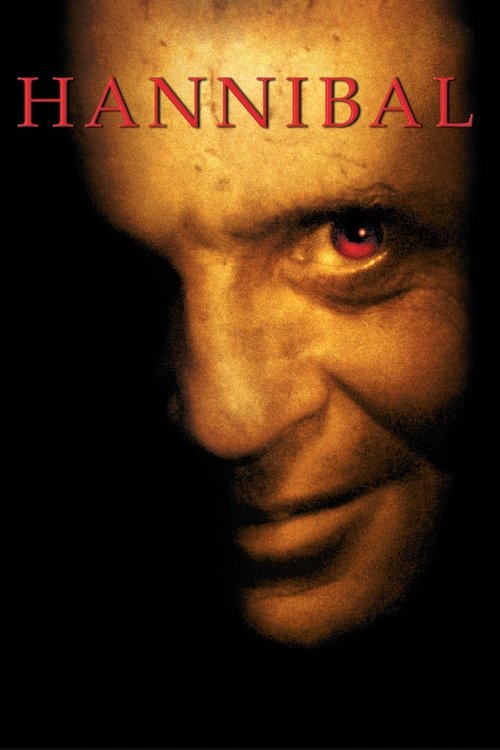
Ridley Scott's "Hannibal" attempts to bring back the infamous cannibal in a convoluted sequel that doesn't quite live up to its predecessor. With a blend of art and horror, the film struggles to balance its ambitious themes.
Close, But Lacking Depth
While "Hannibal" has its moments of striking visuals and chilling performances, it ultimately can’t escape the shadow of its predecessor. The film crawls at times and sacrifices depth for shock value, which might leave audiences feeling as hollow as its titular character.
Film DNA
The scores reflect a film that excels visually but struggles with pacing and emotional connection, making it a mixed experience overall.
Pros
- Stunning cinematography and visuals
- Strong performance from Anthony Hopkins
Cons
- Pacing issues lead to drawn-out scenes
- Julianne Moore's portrayal lacks depth
A Divisive Viewing Experience
Fans of the original film may find themselves disappointed, as "Hannibal" deviates from the engaging cat-and-mouse dynamic established in "The Silence of the Lambs." It's a film that appeals to those intrigued by the horror aspects and grand visuals but may alienate viewers looking for strong character development or a tightly woven plot. People who appreciate slow-burn thrillers with a flair for the grotesque might find some enjoyment here, while those who favor fast-paced narratives or character-driven stories will likely be frustrated by its pacing and sporadic narrative focus.
A Return to Darkness
Set years after the events of "The Silence of the Lambs," Hannibal Lecter (Anthony Hopkins) is living a quiet life in Florence, Italy, posing as an art scholar. His peaceful existence shatters when he is discovered by the vengeful Mason Verger (Gary Oldman), who seeks to draw Lecter out and exact his revenge. Meanwhile, Clarice Starling (Julianne Moore), now tarnished by scandal, is drawn back into the deadly game when she becomes a target herself. As the plot thickens, it dives into manipulation, revenge, and the dark ties that bind Hannibal and Clarice, culminating in a showdown that feels both inevitable and anticlimactic.
Mixed Performances and Roles
Anthony Hopkins delivers another chilling performance as Hannibal, but this time his screen time feels sparse compared to the first film. Julianne Moore steps in as Clarice Starling, yet her character lacks the depth Jodie Foster brought to the role, leaving viewers with a feeling of disconnect. Gary Oldman’s Mason Verger is memorable for his grotesque transformation but is underutilized in the narrative, providing more shock value than substance. The supporting cast, including Ray Liotta and Giancarlo Giannini, adds flavor but often feels relegated to the background, unable to make a lasting impact.
Visually Striking, Poorly Paced
Ridley Scott’s direction is visually arresting, with rich cinematography that captures the beauty of Florence juxtaposed with the grotesque horror that unfolds. The visual storytelling, particularly during the visceral, gruesome scenes, retains that signature Scott flair. However, the pacing suffers significantly; scenes often feel drawn out, and the narrative occasionally lags, leading to moments where the tension dissipates. The editing could have been tighter, as the film seems to revel a bit too much in its own artistry, losing the brisk pace that a thriller demands.
Frustratingly Slow Tension
Watching "Hannibal" is a mixed bag. The film has its moments of tension, but there are extended stretches that feel tedious, particularly in the middle act. The emotional connection that once existed between Clarice and Hannibal feels diluted, making their interactions less compelling. Instead of a gripping psychological horror, we get a series of shocks that lack real build-up or payoff. By the time the climax arrives, it feels more like an obligation than a culmination of emotional stakes, leaving the viewer somewhat unsatisfied and puzzled about what could have been.
Watch if you liked: The Silence of the Lambs, Se7en


No comments yet. Be the first to share your thoughts!