Genres
Movie Overview & Analysis
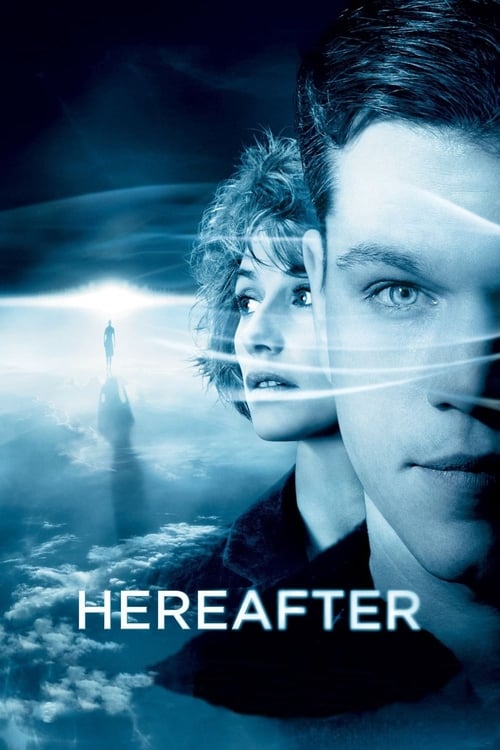
Hereafter offers a contemplative take on mortality through the intersecting lives of three characters. While it attempts to tackle profound themes, the execution feels uneven at times.
An Engaging Reflection on Life
Hereafter presents an interesting exploration of mortality with a unique premise and thoughtful performances. While it has its flaws in pacing and character development, it's a film that may resonate with viewers willing to engage with its themes.
Film DNA
The radar scores highlight a decent story depth and emotional weight, though other areas like rewatchability and originality show room for improvement.
Pros
- Thoughtful exploration of death
- Strong performances from leads
Cons
- Uneven pacing
- Underdeveloped supporting characters
A Meditative Drama
This film caters to audiences who appreciate introspective dramas that tackle heavy themes surrounding death and the afterlife. Viewers who enjoy character-driven narratives with philosophical undertones will likely find value in Hereafter. However, those looking for more action or a fast-paced plot may want to skip it, as the film unfolds at a deliberate pace, focusing on emotional depth rather than thrill.
Intersecting Fates and Death
The film follows three distinct individuals affected by death in various forms. George Lonegan, played by Matt Damon, is a blue-collar worker with a unique gift for connecting with the deceased. Meanwhile, Marie Lelay, a French journalist portrayed by Cécile de France, survives a tsunami and is left grappling with her brush with death. Finally, a young London boy, whose life is marked by tragedy, seeks solace and answers. As their paths converge, the film explores themes of loss, connection, and the afterlife, ultimately questioning what lies beyond our mortal existence.
Strong Leads, Mixed Support
Matt Damon delivers a solid performance as George, subtly portraying a man burdened by his gift. Cécile de France also shines as Marie, capturing the emotional weight of her harrowing experience. However, some supporting characters, particularly Bryce Dallas Howard's Melanie, feel underdeveloped, leaving the audience wanting more depth to their stories. The performances collectively create a palpable atmosphere, but the film occasionally struggles to balance its character arcs with the overarching narrative.
Somber Yet Striking Visuals
Directed by Clint Eastwood, the film features a somber tone with a focus on intimate storytelling. Eastwood's direction emphasizes quiet moments and reflective scenes that allow viewers to absorb the emotional weight of the narrative. Visually, the film uses a muted color palette that pairs well with its themes of loss and introspection. However, some sequences, particularly those tied to the supernatural elements, lack the visual clarity needed to ground them, leaving certain scenes feeling disconnected from the rest of the film.
Contemplative and Melancholic
Watching Hereafter evokes a mix of contemplation and melancholy, as it invites viewers to reflect on their own thoughts about life and death. The film’s pacing might feel slow for some, which allows space for emotional moments to breathe, but it risks losing the audience's engagement. Certain scenes resonate deeply, striking a chord with those who have faced similar experiences of loss. Overall, it leaves a lasting impression, though it may not elicit strong emotional responses from all viewers.
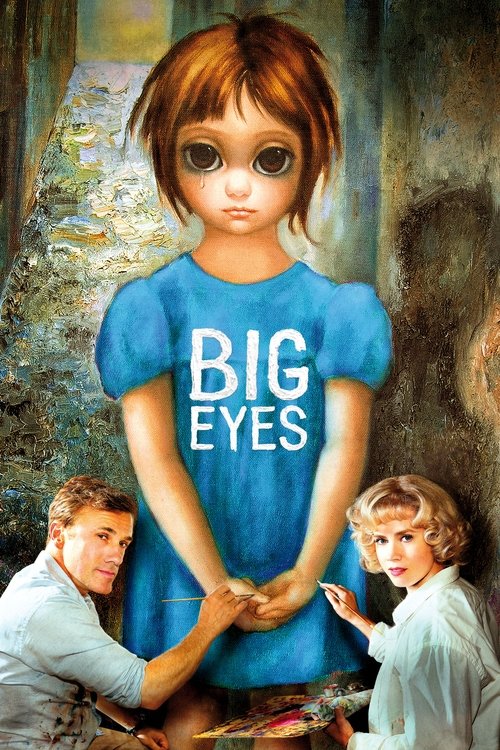
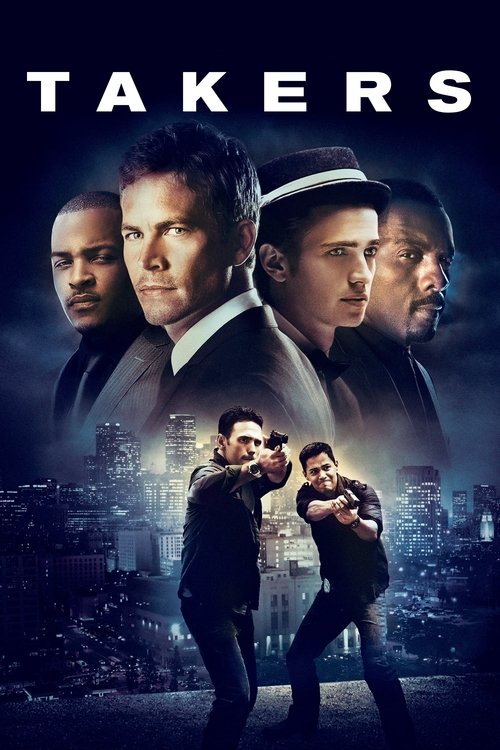
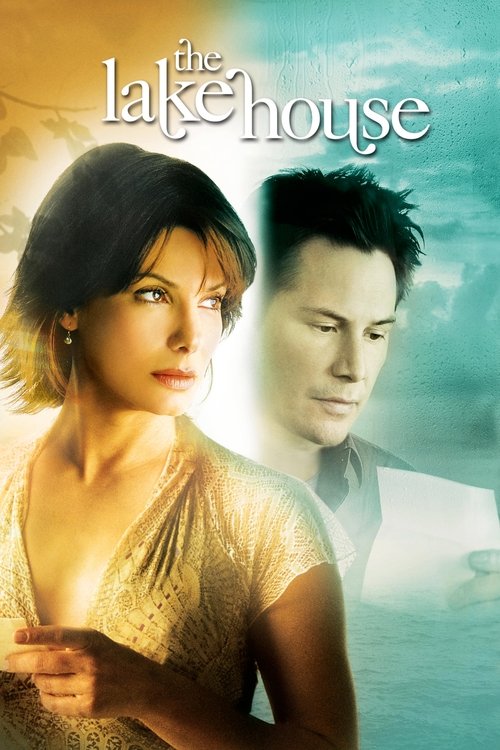
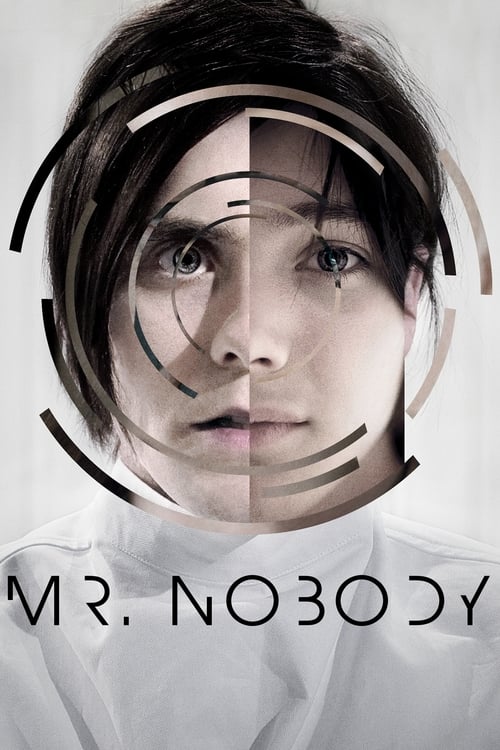
Watch if you liked: The Sea Inside, A Ghost Story


No comments yet. Be the first to share your thoughts!