Genres
Movie Overview & Analysis
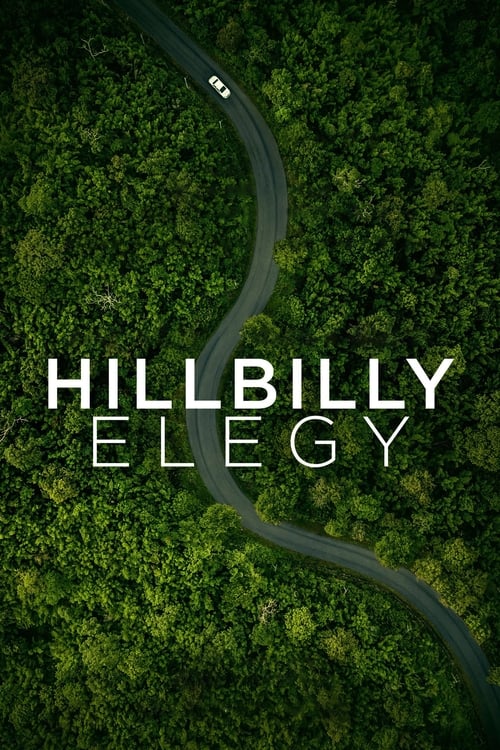
Hillbilly Elegy attempts to unpack the complexities of family and the American Dream but often stumbles in its execution. With a star-studded cast and Ron Howard at the helm, the film promises depth yet delivers a mixed bag.
Solid Effort, Not Quite There
Hillbilly Elegy has its moments, showcasing strong performances and a relatable story, but it ultimately falters in delivering a cohesive experience. While it’s not a total wash, the film may leave you wishing for more than it offers.
Film DNA
The scores reflect a film that has a decent story depth but struggles with emotional resonance and originality. It's entertaining enough but lacks the rewatch value typical of stronger dramas.
Pros
- Strong performances from Glenn Close and Amy Adams
- Relatable themes of family and struggle
Cons
- Uneven pacing disrupts narrative flow
- Underutilized characters and weak dialogue
A Niche Appeal
This film may resonate with those who appreciate stories about family dynamics and the struggles of the American working class. However, viewers looking for a polished, tightly woven narrative might find Hillbilly Elegy frustrating. Fans of the memoir might appreciate the attempt to bring the pages to life but could easily be disappointed by the film's execution. Those who prefer nuanced storytelling or character depth may want to pass as this film sometimes feels like it glosses over the very complexities it aims to portray.
Generational Struggles Unfold
The film centers on J.D. Vance, played by Gabriel Basso, who returns to his Ohio hometown after an urgent call pulls him from Yale Law School. As he navigates his family's troubled history, we see the struggles of three generations, particularly focusing on his volatile mother, Bev (Amy Adams), and formidable grandmother, Mamaw (Glenn Close). The story grapples with themes of addiction, poverty, and resilience, painting a picture of familial conflict amidst the backdrop of the Appalachian American experience. However, its heavy reliance on flashbacks often disrupts the narrative flow, leaving viewers somewhat disoriented.
Performances with Mixed Results
Amy Adams brings intensity to her role as Bev, a character marred by addiction and turmoil, though at times her performance feels more like a caricature than a fully realized person. Glenn Close shines as the tough but loving Mamaw, delivering a performance that balances warmth with fierce pragmatism. Gabriel Basso's portrayal of J.D. is earnest, but he occasionally fades into the background, overshadowed by the stronger characters around him. The film could have benefited from deeper exploration of secondary characters, like Lindsay (Haley Bennett), who feels underutilized throughout the story.
Howard's Direction Lacks Edge
Ron Howard’s direction is competent but often lacks the sharpness needed to elevate the material. The cinematography offers a somewhat dreary yet realistic portrayal of working-class America, capturing the bleakness and beauty of the Ohio landscape. However, the pacing feels uneven; certain scenes linger too long while others rush through critical moments. The film’s visual choices tend to reinforce its heavy-handed themes, which sometimes detracts from the subtlety that a story like this could really benefit from.
Emotional Highs and Lows
Watching Hillbilly Elegy is a mixed experience; moments of genuine emotion are often undercut by clunky dialogue and predictable plot points. While the film attempts to evoke feelings of empathy and nostalgia, it sometimes feels forced rather than organic. There are effective moments of tension, especially during confrontations within the family, but they are frequently followed by lulls that test your patience. The emotional weight is there but struggles to be fully realized amid the uneven pacing and execution.
Watch if you liked: The Joy Luck Club, The Glass Castle



No comments yet. Be the first to share your thoughts!