Genres
Movie Overview & Analysis
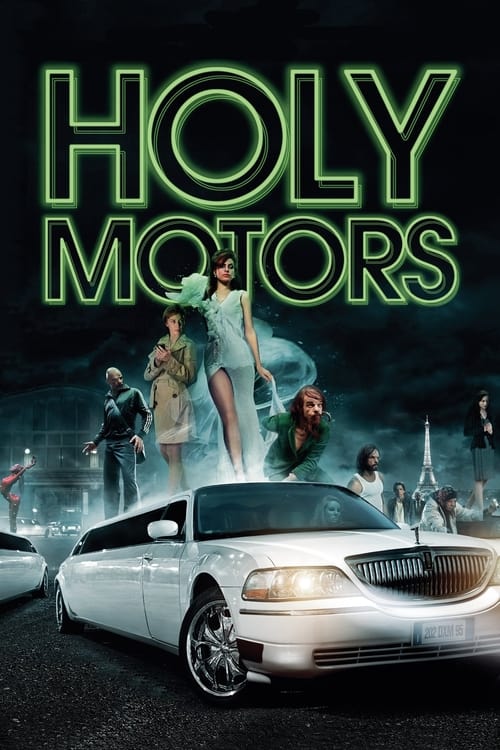
Holy Motors is a unique cinematic experience that defies conventional storytelling. With its blend of drama and fantasy, it challenges viewers to rethink what a narrative can be.
A Unique Viewing Experience
Holy Motors is an audacious exploration of identity wrapped in a surreal package. While it may alienate some with its unconventional approach, it offers a wealth of material for those willing to engage with its complexity.
Film DNA
The radar scores indicate a film rich in visual impact and originality, but with some limitations in storytelling depth and entertainment value. It's a unique experience that may not appeal to everyone.
Pros
- Innovative exploration of identity
- Strong lead performance by Denis Lavant
Cons
- Disjointed narrative structure
- Underdeveloped supporting characters
Target Audience Insights
Holy Motors will likely resonate with audiences who appreciate avant-garde cinema and are open to unconventional storytelling. Fans of experimental films or those interested in exploring themes of identity will find plenty to engage with here. However, viewers who prefer traditional narratives or are looking for an easy-to-follow plot might want to skip it, as the film’s structure can be disorienting. It’s particularly suited for those who enjoy films that challenge the norm and provoke thought, making it a conversation starter for cinephiles.
Surreal Journey Through Identity
The film follows a day in the life of Mr. Oscar, portrayed by Denis Lavant, who shifts between various personas, from a beggar to a monstrous creature. Each identity he assumes reveals a different facet of human existence, illustrating the complexities of life, death, and the roles we play. As he travels through Paris in a limousine, each scene presents a new vignette that is often surreal or unsettling. The film’s structure is non-linear, making it a patchwork of experiences that might leave some viewers puzzled yet intrigued. The exploration of identity is profound, yet it's delivered in a fashion that can feel disjointed at times.
Standout Performances and Roles
Denis Lavant carries the film with his multifaceted performance, embodying a range of distinct characters that showcase his versatility. His ability to switch from a poignant father to a menacing killer is impressive, though some supporting characters, like Édith Scob as Céline, feel underdeveloped despite their potential. Eva Mendes and Kylie Minogue also contribute with memorable performances, though they sometimes seem overshadowed by Lavant’s dominating presence. The film's casting decisions elevate certain scenes, but a more in-depth exploration of the supporting roles could have added depth to the overall narrative.
Artistic Choices and Styles
Leos Carax's directional style is both ambitious and unconventional, opting for striking visuals that blend the mundane with the bizarre. The cinematography captures the essence of Paris beautifully, with lush colors and varied settings that enhance the film’s surreal nature. Carax plays with different formats and tones, pushing the boundaries of traditional filmmaking. However, this approach can be distracting, as the film’s visual flair sometimes overshadows the narrative coherence. The editing choices, while creative, also contribute to a feeling of fragmentation that might alienate some viewers seeking a straightforward storyline.
Thoughts and Feelings Evoked
Watching Holy Motors feels like traversing a labyrinth of human emotions and experiences. The film oscillates between moments of absurdity and genuine poignancy, often leaving viewers with a sense of contemplation. There’s a haunting quality to the way it tackles themes of identity and mortality, prompting introspection even amidst its surrealism. However, the disjointed storytelling can create frustration, as it might test the patience of those who prefer clear resolutions. The overall atmosphere is introspective, pushing the audience to reflect on the roles they play in their own lives, even if that connection feels tenuous at times.
Watch if you liked: Eraserhead, The Holy Mountain





No comments yet. Be the first to share your thoughts!