Genres
Movie Overview & Analysis
Wong Kar-Wai's 'In the Mood for Love' is a film ripe with stunning visuals and sharp emotional undercurrents, yet it often feels like a slow burn that tests the audience’s patience. While its aesthetic pleasures are undeniable, the pacing may leave some viewers yearning for a bit more plot progression.
A Beautiful Yet Slow Journey
While 'In the Mood for Love' is undoubtedly a visual and emotional achievement, it’s not without its pacing issues that may alienate some viewers. The film's exploration of love and longing is beautifully rendered, but it occasionally sacrifices narrative momentum for style. If you’re willing to engage with its slower rhythm, you might find a rewarding experience waiting for you.
Film DNA
The radar scores reflect a strong visual and emotional impact but highlight potential issues with pacing and entertainment value. While story depth and originality score well, rewatchability may not appeal to everyone.
Pros
- Stunning visuals and cinematography
- Strong emotional performances from leads
Cons
- Pacing issues can cause boredom
- Supporting characters feel underdeveloped
Art House Lovers Only
'In the Mood for Love' is tailor-made for audiences who appreciate art-house cinema and are willing to embrace slower storytelling methods. Fans of Wong Kar-Wai will likely find much to admire, from the lush visuals to the intricate character dynamics. However, those looking for brisk pacing or conventional romance may find themselves disappointed or confused by the film’s languorous approach. If you prefer films with clear resolutions or fast-moving plots, this might leave you feeling frustrated rather than fulfilled.
A Tale of Forbidden Connection
Set in 1960s Hong Kong, 'In the Mood for Love' follows two neighbors, Chow Mo-wan and Su Li-zhen, who form a deep connection after suspecting their spouses of infidelity. Despite their undeniable chemistry, they choose to keep their relationship platonic, a decision that leads to both tension and melancholy. The film delicately unfolds their shared experiences, filled with longing glances and wistful encounters, as they navigate their respective marital crises. Through a series of beautifully framed moments, Wong Kar-Wai crafts a narrative that feels both personal and universal, highlighting the complexities of love and fidelity.
Performances Full of Restraint
Tony Leung as Chow Mo-wan and Maggie Cheung as Su Li-zhen deliver performances that perfectly encapsulate restraint and longing. Leung’s ability to convey deep emotions with minimal dialogue is impressive, while Cheung’s portrayal of a woman caught between duty and desire is equally compelling. However, some secondary characters feel underdeveloped, like Mrs. Suen, who appears more as a plot device than a fully realized individual. The chemistry between Leung and Cheung is palpable, yet their character arcs sometimes feel stunted, as if the screenplay pulls back just when it could dig deeper into their complexities.
Visual Poetry with Slow Beats
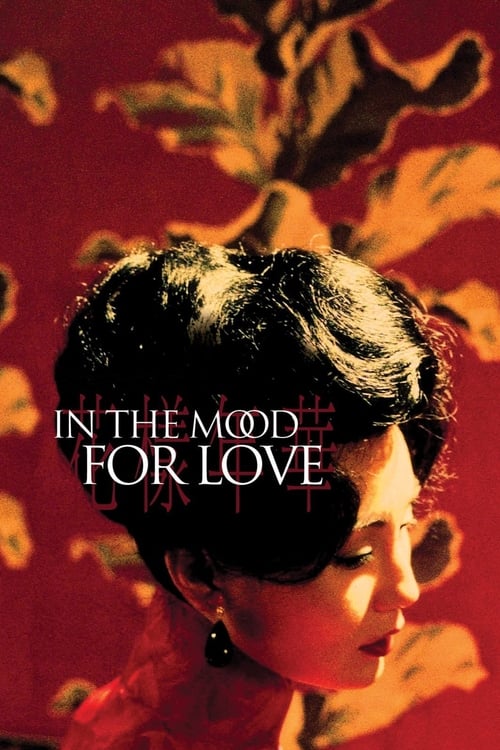
Wong Kar-Wai's direction is marked by meticulous attention to detail, with each composition feeling like a carefully crafted painting. The cinematography captures the mood perfectly, utilizing soft lighting and vibrant colors to evoke a sense of nostalgia. However, the film's pacing often lags, with long sequences that could frustrate viewers looking for a more dynamic narrative. The slow-motion shots, while beautiful, can feel excessive at times, leading to a disconnect between visual splendor and storytelling momentum. Still, the film’s aesthetic undoubtedly leaves an imprint, making it visually memorable despite its narrative shortcomings.
Beauty Mixed with Frustration
Watching 'In the Mood for Love' is an experience that oscillates between beauty and frustration. While the film's portrayal of unfulfilled desire resonates with poignancy, its leisurely pace can lead to moments of boredom, particularly in the film's slower stretches. The lingering shots and repetitive scenes certainly establish a mood, but they can test the patience of viewers unfamiliar with this style. The emotional weight of longing is present, but it may feel overwhelming for those expecting a more traditional narrative arc. Ultimately, the film elicits a complex mix of admiration and impatience.
Watch if you liked: Chungking Express, The Handmaiden
No comments yet. Be the first to share your thoughts!