Genres
Movie Overview & Analysis
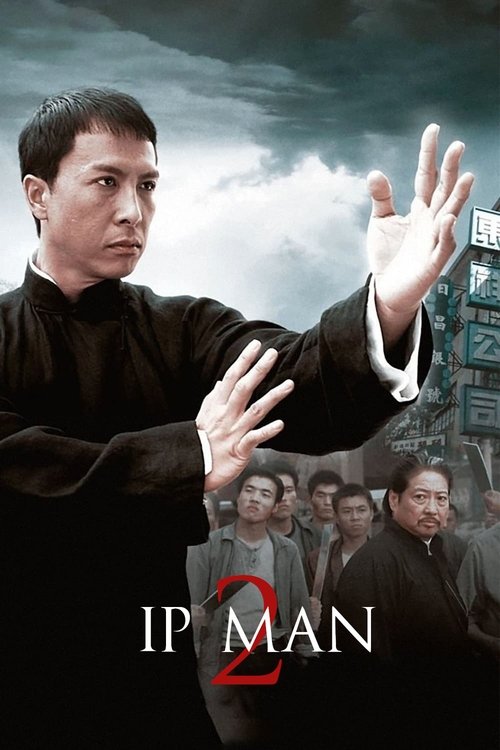
Ip Man 2 continues the story of the celebrated martial artist as he ventures into post-war Hong Kong. While it has some solid fight choreography, it struggles with pacing and predictable character arcs.
A Solid But Flawed Sequel
Ip Man 2 is a solid entry into the martial arts genre, showcasing Donnie Yen's charisma and impressive fighting skills. While it stumbles in pacing and character development, it's entertaining enough for those who appreciate action over intricate storytelling.
Film DNA
The radar scores reflect a film that offers strong visuals and entertainment, but struggles with story depth and emotional weight. While it has decent rewatchability, it's not groundbreaking.
Pros
- Impressive fight choreography
- Strong lead performance from Donnie Yen
Cons
- Pacing issues in quieter moments
- Underdeveloped antagonists
Target Audience
This film caters primarily to martial arts enthusiasts and fans of the original Ip Man. The intricate fight choreography and martial arts philosophy will resonate with those who appreciate the genre. Conversely, audiences seeking deep character arcs and intricate plots may be left wanting. Casual viewers or those unfamiliar with martial arts might find the pacing and traditional storytelling conventions less engaging. If you’re not into fight sequences as a primary draw, this film might not be your cup of tea.
Struggles in Post-War Hong Kong
Following his triumph over the Imperial Japanese Army fighters, master Ip Man relocates to Hong Kong with his family, where he faces the harsh realities of post-war life. Desperate to make ends meet, he opens a kung fu school to teach Wing Chun to Hong Kong's youth. However, his growing fame brings unwanted attention, specifically from Hung Gar master Hung Chun-Nam, who sees Ip Man as a threat to his own reputation. The film intertwines themes of resilience and conflict, showcasing not just martial arts but also the cultural clash in a WWII aftermath.
Mixed Performances
Donnie Yen does well portraying the disciplined Ip Man, bringing a mix of strength and vulnerability to the role. However, Sammo Hung, as Hung Chun-Nam, feels somewhat underutilized; he has the physicality but is overshadowed by Yen's character's storyline. The supporting cast, like Huang Xiaoming as Wong Leung, brings charm but lacks depth. Some characters come off as one-dimensional, which detracts from the emotional stakes of the conflict. It would have been nice to see more development for the antagonists to create a more engaging rivalry.
Dynamic Fights, Sluggish Pacing
Wilson Yip’s direction captures the essence of martial arts cinema with dynamic fight scenes that are, without a doubt, the film's highlight. The cinematography does a decent job of framing the beautiful Hong Kong backdrops, but the pacing stumbles in quieter moments, dragging out scenes that could have been tightened. Some editing choices inadvertently dilute the impact of key fight sequences, making them feel a bit formulaic. Overall, the visuals are engaging, yet they lack the punch they could have delivered with more streamlined storytelling.
Highs and Lows
Watching Ip Man 2 can be a mixed bag. While the fight scenes are exhilarating, the slower narrative moments often feel tedious, leading to a lack of momentum. Moments meant to establish emotional stakes sometimes drag on longer than necessary, causing a disconnect between the audience and Ip Man's struggles. Viewers might find themselves waiting for the next bout rather than truly connecting with the characters. The film does invoke feelings of nostalgia for classic martial arts films, but it also has dull spots that could frustrate those looking for a consistent emotional ride.
Watch if you liked: The Grandmaster, Kung Fu Hustle

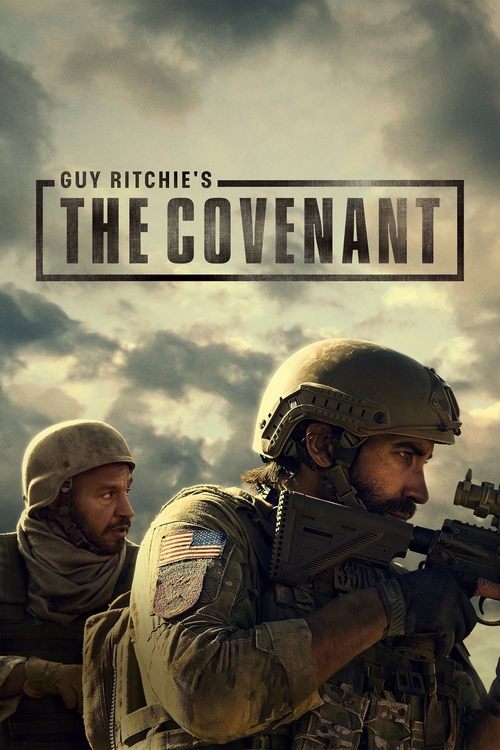
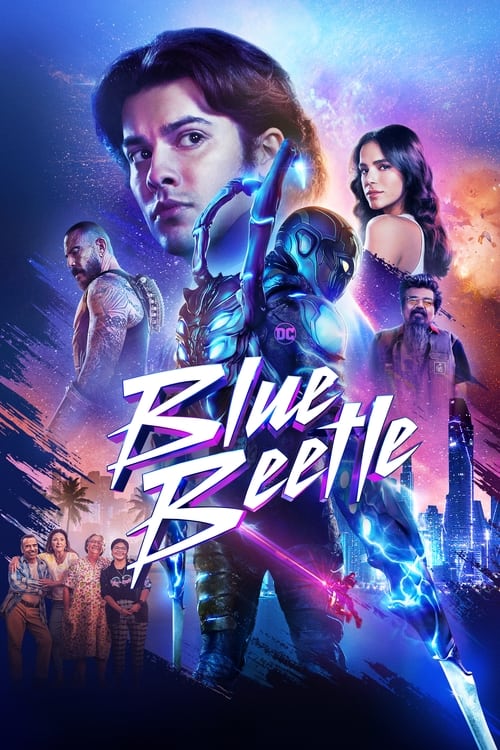
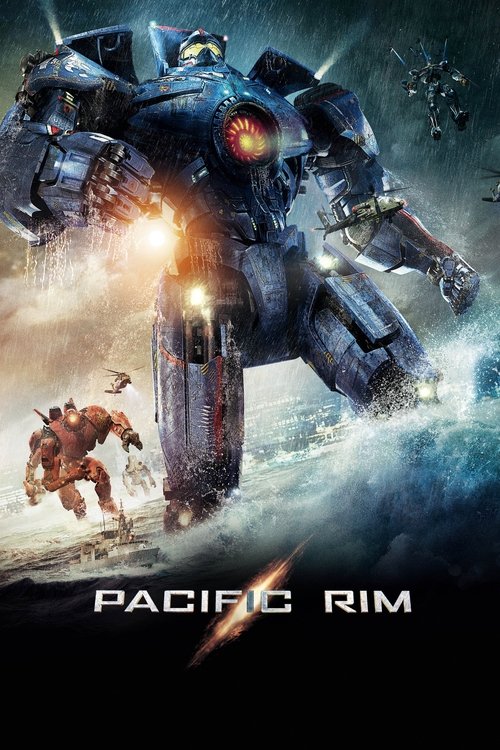
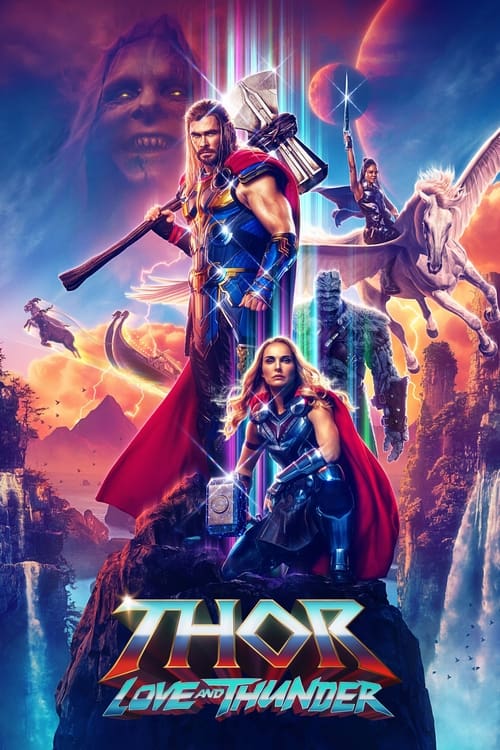
[…] if you liked: Ip Man 2, The […]