Genres
Movie Overview & Analysis
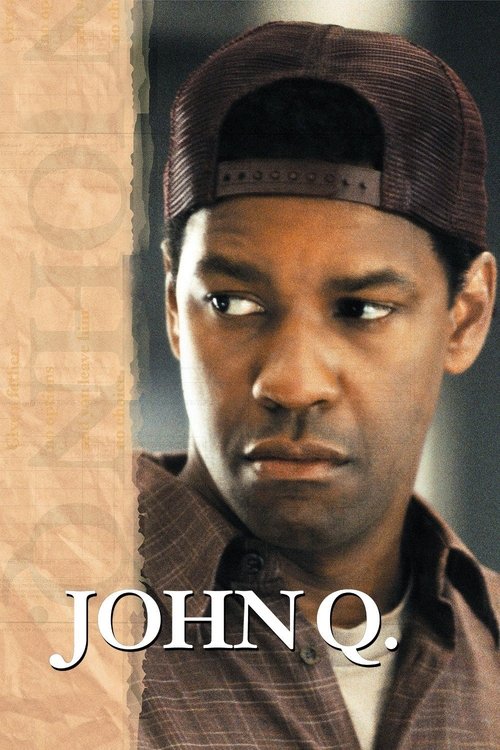
John Q offers a tense glimpse into a father's desperation. Denzel Washington's performance shines while the pacing occasionally falters.
A Film Worth Watching
John Q has its heart in the right place and shines thanks to a strong lead performance, but it falters with pacing and character development. If you can overlook its flaws, you'll find a film that genuinely attempts to address pressing issues in a dramatic way.
Film DNA
The film scores decently in story depth and emotional weight, but its visual impact and entertainment value could use improvement. Pacing remains its biggest hurdle.
Pros
- Denzel Washington's powerful performance
- Engaging premise addressing healthcare issues
Cons
- Pacing issues create dragging moments
- Underdeveloped supporting characters
For Drama Lovers with Patience
John Q will resonate with audiences who appreciate emotionally charged dramas that tackle social issues, particularly in the realm of healthcare. Viewers looking for a tightly plotted thriller may find the film's pacing issues off-putting. Additionally, those who prefer subtlety over melodrama might struggle with the film’s more overt emotional appeals. It’s not for the faint-hearted or those seeking light entertainment; it demands investment in its heavy themes and character-driven narrative.
A Father's Desperate Gamble
The film centers around John Quincy Archibald, portrayed by Denzel Washington, a devoted father whose world crumbles when his son is diagnosed with an enlarged heart. When he learns that his HMO insurance won’t cover a necessary transplant, John resorts to extreme measures, taking a hospital full of patients hostage to secure a spot on the donor list for his son. The narrative explores the ethical dilemmas of healthcare and parental love as the situation escalates, drawing attention to the moral stakes involved. While the premise has plenty of emotional weight, the execution sometimes struggles to balance the intensity with coherence.
Strong Lead, Weak Support
Washington delivers a powerful performance, embodying a father's anguish with incredible authenticity. His interactions with Kimberly Elise, who plays his wife Denise, add layers to their family struggle. However, some supporting characters like James Woods as Dr. Raymond Turner come off as underdeveloped, missing depth that could have made their perspectives more impactful. The tension in the hostage situation could have benefitted from a more nuanced cast — several characters feel like mere plot devices rather than fully fleshed individuals, which diminishes the overall emotional resonance.
Realism with Missed Opportunities
Nick Cassavetes' direction brings a gritty realism to the film, effectively capturing the claustrophobic atmosphere of the hospital. The camera work is functional but lacks the flair that could elevate tension; certain scenes drag on, impacting pacing. Color choices and lighting evoke a sense of urgency, but the editing could have been tighter in spots, making the film feel longer than its 116 minutes. The visual storytelling sometimes feels straightforward, missing opportunities to create more emotional engagement through stylistic choices.
Struggles Between Emotion and Pacing
Watching John Q is a mixed bag; it elicits genuine empathy towards John's plight, yet it suffers from moments that feel overly drawn out. The film’s emotional highs are interspersed with dragging lulls, especially in the lead-up to key confrontations. While it succeeds in portraying the desperation of a parent willing to go to extremes, some scenes feel manipulative rather than authentic. The emotional beats occasionally risk feeling forced, leaving viewers in a state of frustration rather than sustained engagement.
Watch if you liked: Extreme Measures, The Pursuit of Happyness
No comments yet. Be the first to share your thoughts!