Genres
Movie Overview & Analysis
Leave No Trace is a quiet but compelling film that captures the delicate bond between a father and daughter living off the grid. The journey they undertake reveals not only their struggles but also the complexities of their lifestyle choices.
Thought-Provoking Yet Slow
Leave No Trace offers a poignant exploration of a father-daughter relationship set against the backdrop of nature and societal detachment. While it has its slower moments, the performances and direction create an engaging experience that resonates long after viewing.
Film DNA
The radar scores reflect a film rich in emotional depth and visual storytelling, but its slow pace may limit entertainment value for some viewers.
Pros
- Strong performances, especially from lead actors
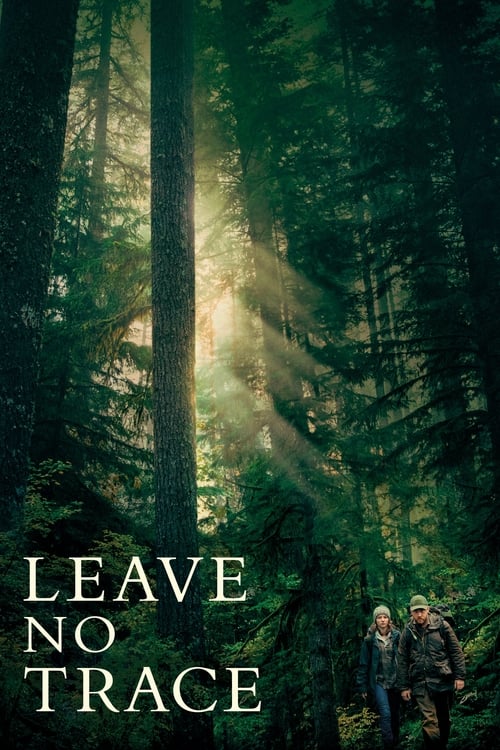
- Beautiful cinematography that captures nature well
Cons
- Pacing may feel slow for some viewers
- Supporting characters lack sufficient development
A Niche Audience
Leave No Trace is likely to appeal to audiences who appreciate character-driven dramas and thoughtful storytelling. Viewers interested in themes such as survivalism, family dynamics, and the impact of trauma will find much to engage with. However, those who prefer fast-paced narratives or conventional plot structures may find the film's slow pacing and minimalistic dialogue less satisfying. It’s a perfect choice for those looking for a reflective and atmospheric film that encourages introspection.
Life Off the Grid
The film follows Will and his teenage daughter, Tom, who live a secluded life in Forest Park, Oregon, away from societal norms. Their existence is disrupted when a small mistake reveals their presence to authorities, leading them on a tumultuous journey as they seek a new home. As they navigate the challenges of being on the run, the film delves into their unique relationship and the impact of Will's past, highlighting themes of survival, freedom, and longing for belonging. Ultimately, they confront not just external obstacles but also their own internal battles.
Strong Core Performances
The performances in Leave No Trace are understated yet powerful, particularly from Ben Foster as Will, who embodies the complexities of a father grappling with PTSD and his protective instincts. Thomasin McKenzie shines as Tom, showcasing a remarkable range of emotions as she transitions from a girl seeking adventure to one facing harsh realities. While both leads are compelling, some supporting characters, like Jeff Kober's Mr. Walters, feel underutilized, leaving aspects of their stories unexplored. However, the film's focus remains on the father-daughter dynamic, which is the heart of the narrative.
The Beauty of Simplicity
Directed by Debra Granik, Leave No Trace adopts a subtle and immersive style that complements its themes of isolation and survival. The cinematography captures the natural beauty of the Oregon wilderness, using a muted color palette that reflects the characters’ emotional state. Granik's choice to maintain a slow pacing allows viewers to fully absorb the atmospheric tension and the characters’ struggles. While some might find the pacing too languid, it effectively conveys the weight of their journey and the simplicity yet complexity of their lives off the grid.
Complexity in Quiet Moments
Watching Leave No Trace evokes a sense of contemplation about family, freedom, and the choices we make. The film’s quiet moments resonate deeply, particularly as Will and Tom navigate their precarious existence. There are scenes filled with warmth and tenderness, reflecting the depth of their bond, which contrasts sharply with the tension and danger they face. The emotional weight is balanced with an underlying sense of hope, leaving viewers to grapple with their own reflections on what it means to truly belong. Overall, the atmosphere is both serene and haunting, making for a thought-provoking experience.
Watch if you liked: Into the Wild, Winter's Bone










No comments yet. Be the first to share your thoughts!