
Genres
Movie Overview & Analysis
Les Misérables dives into the gritty landscape of suburban Paris, reflecting issues of crime and social unrest. While it offers a raw perspective, the film sometimes feels more like a collection of impactful scenes than a cohesive narrative.
Not Perfect, But Worth Watching
Les Misérables presents a stirring, if sometimes flawed, portrayal of life in the troubled suburbs of Paris. While it delivers powerful moments and raises crucial questions, its pacing and character development occasionally hold it back from reaching its full potential.
Film DNA
The radar scores suggest that while Les Misérables succeeds in originality and visual storytelling, it struggles in emotional consistency and rewatchability, highlighting its uneven execution.
Pros
- Compelling and realistic performances
- Strong thematic relevance to contemporary issues
Cons
- Pacing issues lead to uneven engagement
- Some characters lack development and depth
A Targeted Viewing Experience
Les Misérables is targeted towards those interested in socially conscious cinema and real-world dramas that reflect on systemic issues. Fans of films centered on police and community dynamics will likely find this compelling. However, those who prefer straightforward narratives or light-hearted fare will likely be put off by the heavy themes of police violence and societal decay. Additionally, viewers looking for character-driven stories may feel disappointed, as the film's focus often skews more towards themes rather than deeper character arcs.
Tensions in Suburban Paris
Stéphane joins the Anti-Crime Squad in Montfermeil, where he and his fellow officers, Chris and Gwada, must navigate the boiling tensions between rival gangs. The story unravels as a routine arrest spirals out of control, witnessed by a drone that captures the chaos, threatening to expose the raw and dangerous reality of life in the suburbs. The film, while borrowing its name and thematic essence from Victor Hugo's novel, stands on its own as a contemporary examination of socio-political issues affecting the marginalized in Paris. The pacing is mostly tight, though there are moments where the plot meanders without clear direction.
Strong Performances, Mixed Depth
The performances in Les Misérables feel both authentic and powerful, especially Damien Bonnard as Stéphane, who portrays a blend of naivety and determination. Alexis Manenti’s Chris brings a hardened, almost nihilistic edge, effectively showcasing the weariness of a cop disillusioned by his environment. However, Djebril Zonga's Gwada feels slightly underutilized, often overshadowed by the stronger personalities around him. The ensemble generally works well together, yet some characters, like the Mayor played by Steve Tientcheu, feel more like plot devices than fully fleshed-out individuals, leaving an opportunity for richer character development on the table.
Raw and Gritty Aesthetics
Ladj Ly’s directorial approach in Les Misérables is gritty and immersive, effectively capturing the tension and claustrophobia of the suburbs. The cinematography offers a raw visual style, often featuring handheld shots that follow the characters closely, which enhances the urgency of the narrative. However, the overuse of certain visual motifs, like the drone’s perspective, can feel heavy-handed at times, detracting from the grounded nature of the storyline. The film’s aesthetic choices certainly reinforce its themes, but they also run the risk of overshadowing the narrative’s deeper elements and leading to bouts of visual fatigue.
Tension with Some Lulls
Watching Les Misérables is a mix of tension and frustration; the emotional weight is palpable, especially during moments of conflict. However, the film can drag in places, making it feel longer than its 104-minute runtime. Scenes that should land with intensity sometimes get lost in their execution, with pacing issues that disrupt the flow. The build-up to climactic moments is effective but occasionally feels repetitive, diminishing the impact when the stakes rise. The emotional highs are genuine, but they come interspersed with moments that may lead viewers to check the time, wondering when the film will find its forward thrust again.
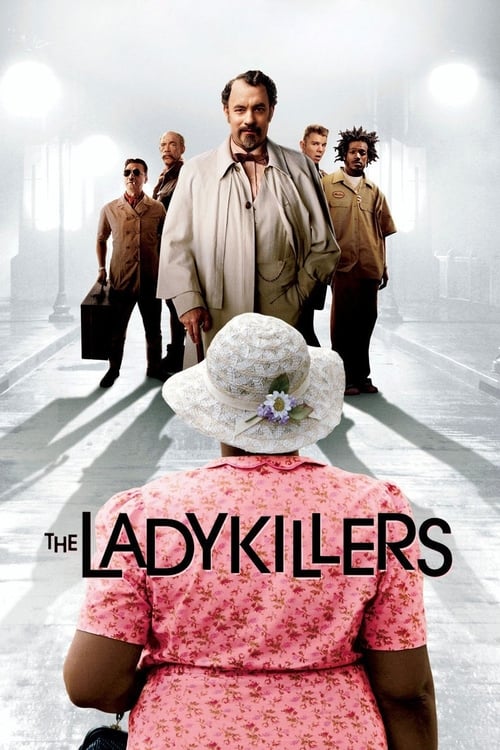
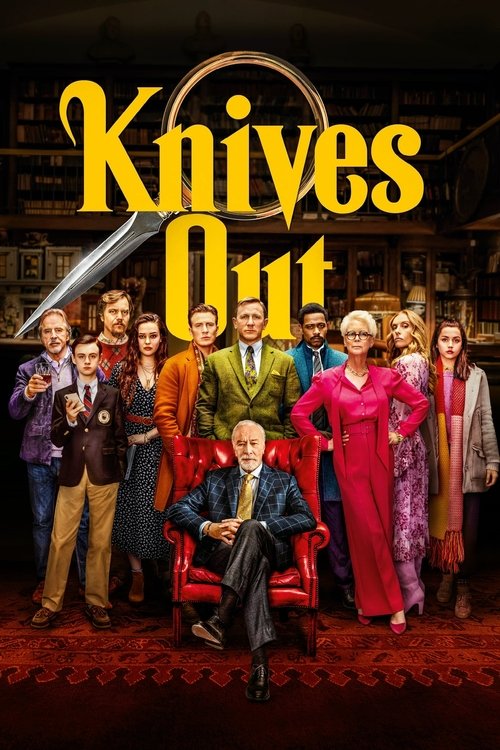
Watch if you liked: La Haine, The Hate U Give




No comments yet. Be the first to share your thoughts!