Genres
Movie Overview & Analysis
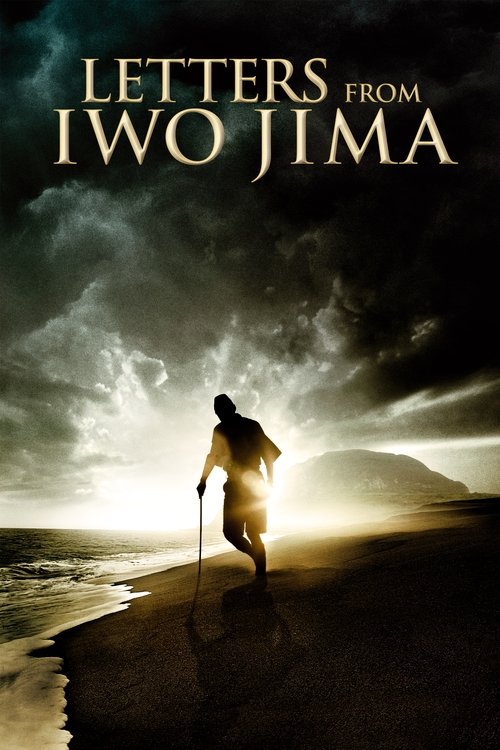
Clint Eastwood's "Letters from Iwo Jima" gives us a unique perspective on a well-worn story. Instead of focusing on the Americans, it dives into the lives of the Japanese soldiers during World War II, shedding light on their struggles and humanity.
An Important Perspective
"Letters from Iwo Jima" offers a necessary counterpoint to traditional war films by illustrating the lives of Japanese soldiers during a brutal conflict. While it has its share of pacing issues and some underdeveloped characters, the film succeeds in its emotional storytelling and powerful performances. It’s an engaging watch for those willing to invest time in its reflective narrative.
Film DNA
The scores reflect a film that excels in storytelling and emotional depth but struggles with pacing and rewatchability. It’s an original take on a well-known conflict, making it worthwhile for dedicated viewers.
Pros
- Strong performances, especially from Watanabe
- Unique perspective on a historical event
Cons
- Pacing issues in the first act
- Some characters feel underdeveloped
For History Buffs, Not Action Junkies
This film will appeal to those interested in a different perspective on World War II narratives, especially fans of historical dramas. Its contemplative tone makes it suitable for viewers who appreciate character-driven stories about sacrifice and brotherhood. However, action movie enthusiasts looking for constant adrenaline will likely find it too slow and introspective. Similarly, anyone who prefers straightforward portrayals of heroism without moral ambiguity may be left unsatisfied. The film demands patience and an openness to its slower pacing and thematic depth.
The Battle from the Other Side
The film centers around the Battle of Iwo Jima, showcasing the events from the viewpoint of Japanese soldiers. General Tadamichi Kuribayashi, played by Ken Watanabe, leads his men through a harrowing fight against American forces. The narrative reveals their fears, camaraderie, and hopes for survival while highlighting the futility and brutality of war. Private Saigo, portrayed by Kazunari Ninomiya, embodies the common soldier's experience and provides a connection to the audience. As the battle rages, the film becomes a poignant look at brotherhood, sacrifice, and the realities of conflict, reminding viewers that war impacts everyone, regardless of their side.
Character Depths and Missed Opportunities
Ken Watanabe delivers a strong performance as General Kuribayashi, embodying a leader torn between duty and compassion. His nuanced portrayal stands out, bringing depth to a character that could easily have been one-dimensional. Kazunari Ninomiya as Private Saigo adds a relatable touch, depicting the everyman caught in extraordinary circumstances. However, some supporting characters lack development; Tsuyoshi Ihara's Colonel Nishi and others felt underutilized, serving mainly as background figures rather than fully realized individuals. This unevenness affects the overall emotional impact of their fates, leaving the audience wanting more from these characters.
Realism with Pacing Problems
Clint Eastwood's direction is generally solid, capturing the grittiness of battle with a focus on realism. The cinematography beautifully contrasts the harrowing scenes of conflict with moments of quiet reflection among the soldiers. However, the pacing occasionally falters, especially in the first act, where the film lingers a bit too long on character backstories that, while important, could have been more efficiently interwoven with the action. The choice to shoot in muted colors effectively underscores the somber tone, but at times, the visuals can feel monotonous, lacking the dynamic energy that could have heightened the tension during key battle sequences.
A Heavy Watch with Lulls
Watching "Letters from Iwo Jima" is often a heavy experience, laden with the emotional weight of loss and sacrifice. There are moments that truly resonate, particularly when the personal stories of the soldiers come to the forefront. Yet, the film also suffers from periods of boredom, where the exposition drags and the action feels sparse. This imbalance can lead to frustration, especially for viewers expecting a more traditional war film. While it ultimately offers a thought-provoking take on the subject, the slower moments can make it a challenging watch, especially for those not invested in the characters' journeys.
Watch if you liked: Flags of Our Fathers, The Thin Red Line
No comments yet. Be the first to share your thoughts!