Genres
Movie Overview & Analysis
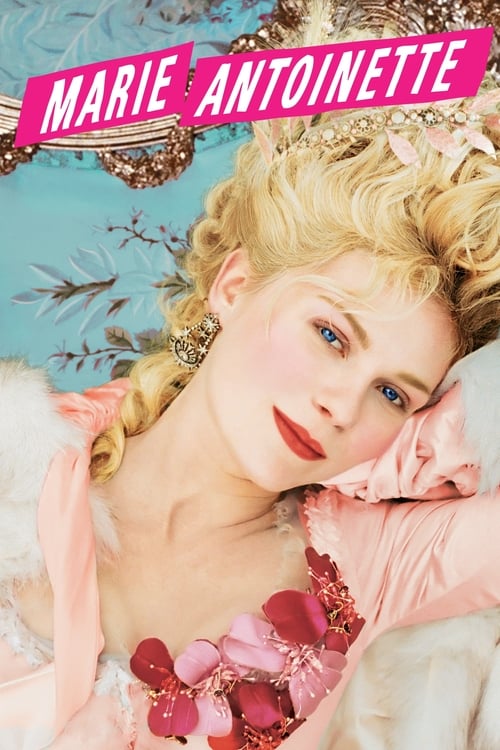
Sofia Coppola's 'Marie Antoinette' offers a stylized look at the life of France's last queen. While it's visually appealing and provides insight into her world, it sometimes feels more like a fashion showcase than a historical narrative.
A Unique Take on History
Overall, 'Marie Antoinette' is an interesting blend of style and substance. While it offers a unique perspective on a well-known figure, its focus on visuals sometimes detracts from the emotional and narrative depth, making it a mixed experience.
Film DNA
The film scores well in visual impact and originality, but its story depth and emotional weight could use improvement to enhance the overall experience.
Pros
- Stunning visuals and production design
- Strong performance by Kirsten Dunst
Cons
- Narrative sometimes feels superficial
- Supporting characters lack development
A Niche Audience
'Marie Antoinette' may appeal to viewers who appreciate artistic interpretations of history and those drawn to visually rich films. Fans of Sofia Coppola's work will likely find much to enjoy, as her signature style permeates this production. However, those seeking a straightforward historical drama or a character-driven narrative might want to look elsewhere, as the film prioritizes aesthetic over strict historical accuracy and character development.
A Royal Life Unfolds
The film chronicles the life of Marie Antoinette, portrayed by Kirsten Dunst, from her marriage to Louis XVI at the tender age of fifteen to her tumultuous reign and eventual downfall during the French Revolution. Directed by Sofia Coppola, it presents a blend of historical events and personal experiences, showcasing Marie's struggles with her role as queen amidst the opulence of Versailles. The narrative is not a strict historical retelling but rather an interpretation that highlights her isolation and the pressures of royal life, ultimately leading to her tragic fate.
Performances That Shine
Kirsten Dunst delivers a solid performance as Marie Antoinette, capturing her youthful exuberance and underlying loneliness. Jason Schwartzman brings a charming yet conflicted presence as Louis XVI, though his character feels somewhat underdeveloped. The supporting cast, including Judy Davis as the Comtesse de Noailles, adds depth, but some characters feel more like background figures rather than fully realized individuals. Despite the focus on Marie's experiences, the ensemble could have contributed more to the story.
A Distinct Visual Style
Coppola's direction is marked by a distinct visual style that combines modern music with lush, pastel aesthetics, creating a dreamy atmosphere around the historical events. The cinematography beautifully captures the grandeur of Versailles, with opulent costumes and set designs that transport viewers to the era. However, this emphasis on visual flair occasionally overshadows the narrative depth, leaving some emotional moments feeling abrupt or lacking in weight.
A Mix of Beauty and Sadness
Watching 'Marie Antoinette' evokes a mix of fascination and melancholy. The film captures the lavish lifestyle of the court, contrasting it with Marie's personal struggles and isolation. While the visual splendor is captivating, it often feels superficial, leading to a disconnection with her emotional journey. The film's pacing can also hinder the buildup of tension, making some key moments less impactful than they could have been. Still, there's an undeniable charm woven through the narrative.
Watch if you liked: The Duchess, Bright Star



No comments yet. Be the first to share your thoughts!