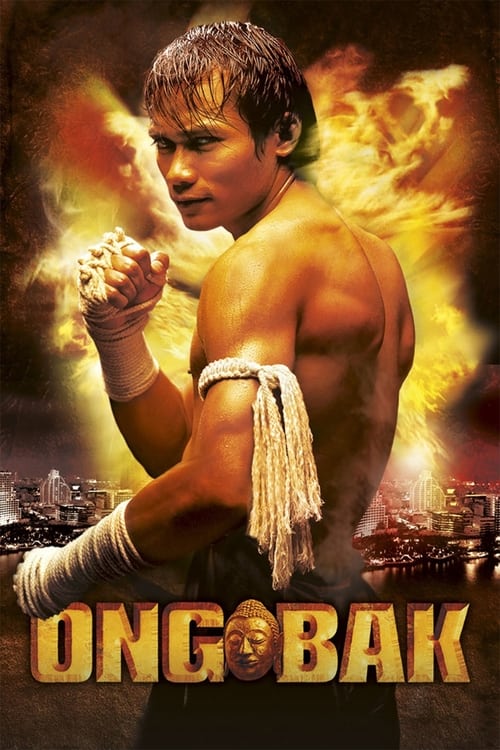
Genres
Movie Overview & Analysis
Ong-Bak delivers a visceral martial arts experience that showcases incredible choreography but struggles with a thin plot. While the action is undeniably entertaining, it often feels like a vehicle for stunts rather than storytelling.
Entertaining, But Not Deep
Ong-Bak is a solid showcase for Tony Jaa's martial arts prowess, but it stumbles in areas of character development and narrative depth. It’s enjoyable for its action sequences but leaves a sense of longing for a more engaging story.
Film DNA
The visual impact and entertainment factor are strong, but the film's story depth and emotional weight are lacking, making it more of a one-time watch for many.
Pros
- Impressive martial arts choreography
- High entertainment value during action sequences
Cons
- Weak character development
- Thin plot lacking depth
Action Lovers Only
Ong-Bak is tailored for action aficionados and martial arts enthusiasts who appreciate stunning choreography over intricate storytelling. Those looking for a nuanced character study or a plot-driven film might find themselves disappointed. The relentless action and minimal dialogue could deter viewers who prefer character-driven narratives or those who are not fans of the genre. If you enjoy spectacle for spectacle’s sake, this film is for you, but if you seek deep emotional engagement or complex story arcs, you might want to skip it.
A Quest for a Lost Statue
The film centers around Ting, a young martial artist from a rural village in Thailand, who sets out on a quest to retrieve a stolen sacred statue head that holds significant cultural value. After the theft, he ventures into the bustling and dangerous streets of Bangkok, where he faces various underworld elements, including gangsters and fighters. The film weaves a straightforward narrative that leans heavily on action sequences rather than deep character exploration or complex plot twists. This leaves viewers with little more than a linear chase to retrieve the statue, fraught with flashy fights, and chase scenes.
Kick-Ass Performances, Yet Lacking
Tony Jaa shines as the determined Ting, showcasing impressive physicality and charisma. However, the supporting characters leave much to be desired, with Petchtai Wongkamlao as George feeling more like comic relief than a compelling ally. The dialogue is often clunky, which detracts from the emotional stakes of the plot. Other characters, like Komtuan and Uncle Mao, lack depth and are there mostly to elevate Jaa’s performance rather than provide a robust storyline. While Jaa’s martial arts skills are captivating, the film could have benefited from more nuanced character development.
Action-Centric Visual Style
Directed by Prachya Pinkaew, Ong-Bak boasts energetic pacing and a raw aesthetic that complements its martial arts theme. The fight choreography is the film's standout feature, with each sequence thoughtfully crafted to maximize impact and showcase Jaa’s talent. However, the cinematography occasionally suffers from shaky camera work and quick cuts during pivotal moments, which can be disorienting. The urban landscape of Bangkok is portrayed in a gritty manner, but the film's reliance on action often overshadows visual storytelling, making it feel like a series of set pieces rather than a cohesive visual narrative.
Adrenaline vs. Story Depth
Watching Ong-Bak is a mixed bag; the adrenaline-pumping fight scenes are exhilarating, but they are often interspersed with lulls that are less engaging. The lack of emotional depth can lead to moments of boredom, especially when the narrative stalls in favor of showcasing another fight. The film's straightforward premise lacks the emotional weight that could have made Ting's quest feel more meaningful. As a viewer, it’s hard not to wish for a bit more substance to accompany the impressive action, making it feel like a missed opportunity for something truly impactful.
Watch if you liked: The Raid, Warrior
No comments yet. Be the first to share your thoughts!