Genres
Movie Overview & Analysis
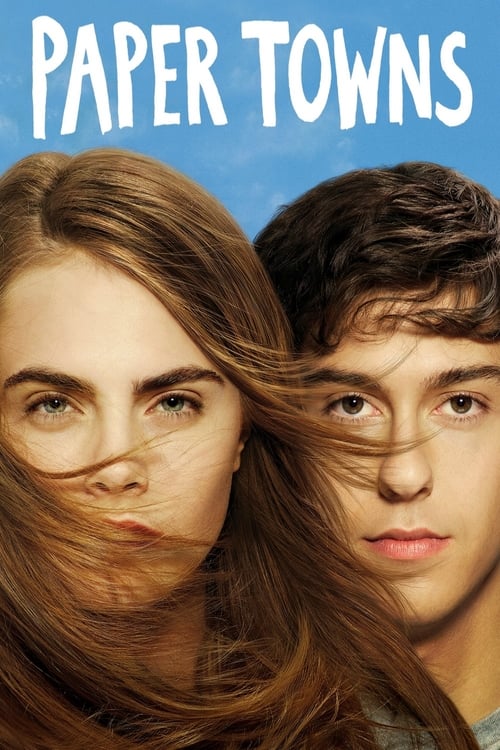
Paper Towns is a coming-of-age film that promises more than it ultimately delivers. While it has its moments of charm, the execution often feels shallow and predictable.
Close, But Not Quite
In the end, Paper Towns offers some relatable moments but struggles to balance its potential with predictability and cliché. While it has its charm and a nostalgic feeling for some, it ultimately falls short of being truly memorable.
Film DNA
The scores indicate that while Paper Towns has some entertainment value, it lacks depth and originality, making it less memorable than it could have been.
Pros
- Charming moments that appeal to teenagers
- Decent performances from the lead actors
Cons
- Predictable plot and character arcs
- Underutilized supporting cast
Teen Drama Audience Only
Paper Towns will likely resonate with younger audiences who enjoy teen dramas and those who have read the original novel by John Green. Fans of coming-of-age stories about friendship and self-discovery might find something to appreciate here. However, those seeking a nuanced portrayal of teenage life or a complex mystery may be left disappointed. Its pacing and predictable plot twists will likely frustrate older viewers or anyone craving deeper character development. This film isn’t for those who are weary of typical teen film tropes or who prefer more substantial storytelling.
A Quest for Margo
The film follows Quentin Jacobsen, portrayed by Nat Wolff, who has idolized his enigmatic neighbor, Margo Roth Spiegelman (Cara Delevingne), from afar. When she unexpectedly involves him in a night of escapades full of revenge, he’s thrilled. However, Margo's sudden disappearance the next day plunges Quentin into a quest to uncover her whereabouts, using the clues she left behind. As he embarks on this journey with his friends, the narrative raises questions regarding the real Margo versus the idealized version Quentin has constructed in his mind, eventually leading him to a somewhat anticlimactic realization about love and identity.
Performances that Miss the Mark
Nat Wolff does a fair job as Quentin, but the script often limits his character’s depth, leaning on typical teenage tropes. Cara Delevingne's Margo shines at times but remains frustratingly enigmatic, leaving audiences wanting more from her character. The supporting cast, including Austin Abrams and Justice Smith, delivers decent performances, yet they are often overshadowed by the narrow focus on Quentin and Margo. The ensemble feels underutilized, with characters that could have added more richness to the story. Overall, while the main leads have moments of chemistry, they struggle against a script that doesn’t fully flesh out their motivations or complexities.
Standard Direction, Safe Visuals
Jake Schreier’s direction in Paper Towns is competent but uninspired, resulting in a film that looks good without being visually striking. The cinematography captures the Florida landscape nicely, yet it often falls into standard teen movie aesthetics. The pacing fluctuates, with some scenes dragging on while others rush through crucial developments. The visuals are crisp, but they lack the artistic flair that could have elevated the material. Additionally, the film’s tonal inconsistencies detract from a cohesive viewing experience, oscillating between lighthearted moments and heavier themes without seamless transitions.
A Bumpy Emotional Ride
Watching Paper Towns can be a mixed bag; at times, it feels relatable and nostalgic, but the overreliance on clichés makes it frustratingly predictable. The emotional stakes are muddied by a lack of depth in character exploration, making it difficult to truly connect with Quentin's journey. Certain scenes intended for emotional impact fall flat, eliciting more eye-rolls than tears. The film has its charming moments—particularly when exploring friendship—but it is often clouded by repetitive themes and dialogue that feel familiar. Viewers may find themselves checking the time more than they’d like, waiting for a payoff that never fully materializes.
Watch if you liked: The Fault in Our Stars, Perks of Being a Wallflower

No comments yet. Be the first to share your thoughts!