Genres
Movie Overview & Analysis
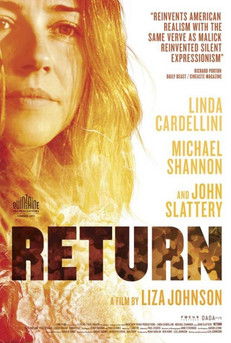
Return is a film that attempts to tackle the challenges of reintegration after military service, yet it often stumbles in execution. While it shines a light on important themes, the pacing and character development leave much to be desired.
Potential Left Untapped
While Return has its strengths in character exploration and authentic performances, it falls short in pacing and character depth. It’s a film that may resonate with some, but ultimately leaves a lingering feeling of missed potential.
Film DNA
The film's story and emotional depth show promise, but the visual choices and entertainment value struggle to keep the audience engaged. The pacing significantly undermines the overall experience.
Pros
- Linda Cardellini's strong performance
- Authentic depiction of struggles with reintegration
Cons
- Pacing issues lead to boredom
- Underutilized supporting characters
Not for Action Lovers
Return is likely to appeal to audiences who enjoy character-driven dramas and are patient with slower narratives. Those who appreciate films that reflect on the challenges of returning home after military service may find value here. However, viewers who prefer fast-paced plots or high-stakes drama will likely feel bored or disappointed. This film is not for those seeking conventional entertainment; it demands introspection and a willingness to endure its slower moments to appreciate the underlying themes.
Homecoming Gone Awry
The film centers on Kelli, portrayed by Linda Cardellini, who returns home from a tour of duty only to find herself at odds with her family and the hometown she once knew. Struggling with her identity and the expectations of her loved ones, Kelli navigates the complexities of feeling like an outsider in her own life. The narrative attempts to depict her reintegration process, including strained relationships and the haunting memories of war. However, the plot leans into a slow burn that sometimes edges into tedium, making it tough for viewers to fully engage with Kelli's journey.
Performances That Drift
Linda Cardellini's performance as Kelli is introspective and layered, reflecting her internal struggles convincingly. Michael Shannon, as Kelli's brother Mike, delivers an effective yet underwhelming portrayal that feels underutilized for most of the film. The supporting cast, including John Slattery and Talia Balsam, offers decent performances but are often overshadowed by the slow pacing. Character development is uneven, leaving some secondary characters feeling like mere plot devices rather than fully fleshed-out individuals.
Quiet Style, Slow Pace
Liza Johnson's direction opts for a subdued, almost documentarian style that captures the rust-belt setting authentically. The visuals are often muted, reflecting the film's themes of disconnection and isolation, but this aesthetic can become monotonous over time. While some scenes are beautifully composed, there's a lack of dynamic editing that could have injected life into the pacing. Instead, the film often plods along, losing the audience's attention at key moments when it could have built tension or emotional resonance.
Tension Lacks Momentum
Watching Return is a mixed bag; moments of genuine emotional weight are overshadowed by stretches of dullness. The film's exploration of Kelli's struggles resonates, but viewers might find themselves checking the clock during its slower scenes. The emotional highs are often followed by frustrating lows, particularly as Kelli's story unfolds in a meandering fashion that seems to linger too long in moments that lack depth. The film certainly has its poignant moments, but they are buried beneath a heavy layer of pacing issues and drawn-out sequences.
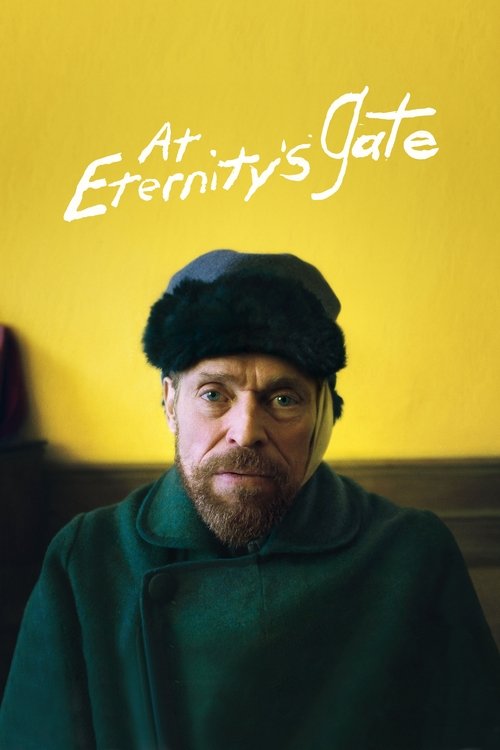
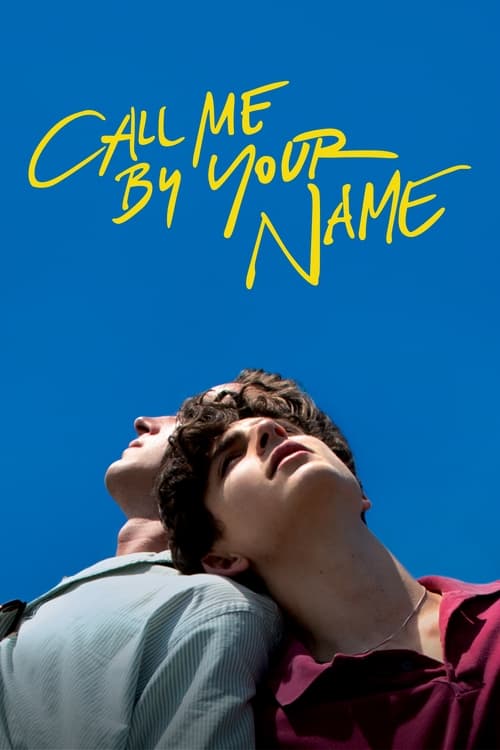
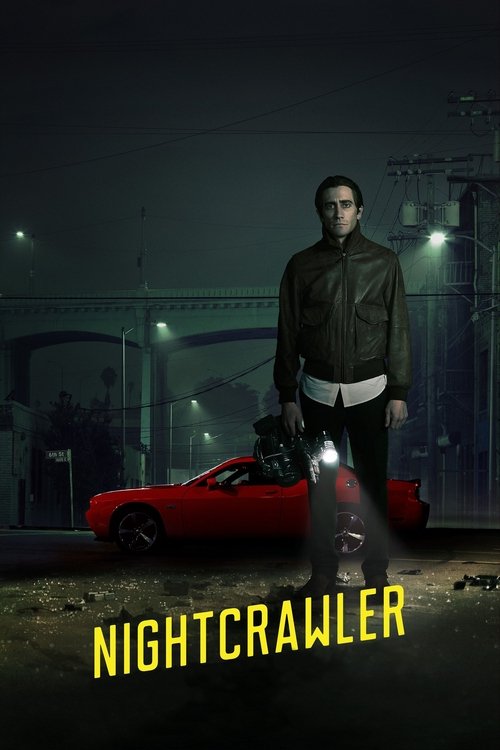
Watch if you liked: The Pinkie, Drink



No comments yet. Be the first to share your thoughts!