Genres
Movie Overview & Analysis
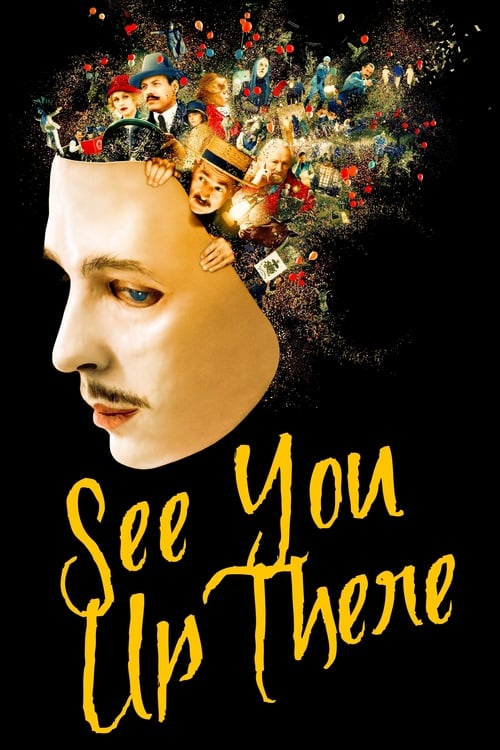
In 'See You Up There,' the aftermath of World War I paints a harrowing picture of survival and camaraderie. The film explores the lives forever altered by the senselessness of war, but sometimes loses its way amid heavy themes and uneven pacing.
A Worthwhile, If Flawed, Watch
'See You Up There' is an ambitious film with meaningful moments and a strong emotional core that sometimes falters under its own weight. While it has its flaws, it's worth watching for those willing to engage with its heavy themes and characters, despite some pacing challenges.
Film DNA
The radar scores reveal a film that has moments of depth and originality but struggles with emotional impact and pacing, affecting its overall entertainment value.
Pros
- Strong performances from the lead actors
- Interesting visual style
Cons
- Pacing issues lead to moments of boredom
- Underutilized supporting characters
For Reflective Historians
This film may resonate with audiences who appreciate intimate tales of human connection set against historical backdrops. It's perfect for viewers who enjoy reflective, sometimes slow-paced narratives that challenge conventional storytelling. However, those who prefer high-octane war films or lighter narratives may find this film tedious. If you're looking for action, skip it; it’s more about the aftermath of conflict than the conflict itself. Expect a movie that demands your full attention and patience to appreciate its layers.
Bonded by War's Absurdity
Set in the closing days of World War I, 'See You Up There' follows two soldiers, Édouard and Albert, who are bonded by a tragic incident during a futile attack ordered by Lieutenant Pradelle. After Édouard saves Albert from death, they become unlikely companions navigating a world turned upside down by war. Their journey continues into the post-war landscape as they confront the absurdities of life, society's expectations, and their own inner demons. While the plot addresses themes of trauma and resilience, it occasionally feels disjointed as the narrative struggles to maintain focus amid its broader ambitions.
Performances That Capture Pain
Nahuel Pérez Biscayart delivers a commendable performance as Édouard, embodying vulnerability mixed with determination. Albert Dupontel, who plays Albert, complements this with a more subdued approach. However, Laurent Lafitte as the antagonist Pradelle has moments that feel over-the-top, detracting from the film's gravitas. The supporting characters, particularly Émilie Dequenne as Madeleine, are underutilized, leaving their arcs feeling rushed or incomplete. The cast overall shines, but at times they appear lost in the film's meandering subplot.
Visuals That Contrast Mood
Albert Dupontel's direction offers an interesting blend of stark realism and stylized moments, yet the overall visual presentation can feel uneven. While some scenes are beautifully shot, capturing both the horror of war and the mundane realities afterward, others fall prey to overindulgent stylistic choices that seem more for shock value than narrative coherence. The pacing suffers in the second act, stretching moments too long, while also rushing through significant character developments. Overall, there are some striking visuals, yet they often clash with the tone.
An Emotional Roller Coaster
Watching 'See You Up There' can be a mixed experience. On one hand, the film brings forth moments of genuine connection and reflection, particularly around themes of survival and friendship. On the other, the pacing issues create stretches of boredom that test your patience. The heavy thematic elements sometimes lead to a lack of emotional release, leaving the audience feeling more exhausted than moved by the characters’ journeys. When it works, it’s resonant, but too often it wades into frustrating territory that dilutes its emotional impact.
Watch if you liked: A Very Long Engagement, Paths of Glory


No comments yet. Be the first to share your thoughts!