Genres
Movie Overview & Analysis
Shutter Island is not just another psychological thriller; it’s a deep dive into the mind of a man unraveling. Directed by Martin Scorsese, this film keeps you guessing but can occasionally feel a tad overindulgent.
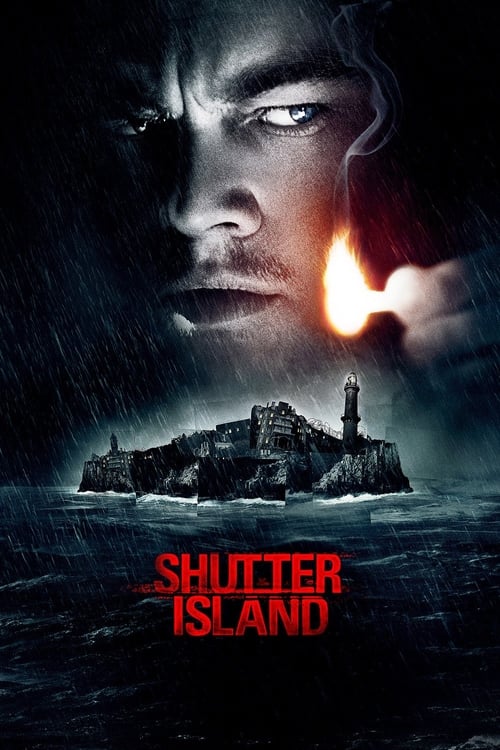
Set in 1954, Shutter Island follows U.S. Marshal Teddy Daniels, played by Leonardo DiCaprio, as he investigates the mysterious disappearance of a patient from a high-security psychiatric facility. The island itself, shrouded in ominous weather and isolation, becomes a character in its own right, amplifying the tension. As Teddy delves deeper, he grapples not only with the case at hand but also with haunting visions from his past—visions of his late wife, Dolores. The film dances between reality and illusion, raising questions about sanity, trust, and the nature of evil itself, leaving viewers to piece together the tangled narrative.
Leonardo DiCaprio delivers a strong performance as Teddy Daniels, blending vulnerability with determination. He captures the complexities of a man on the edge, and his internal struggles resonate well. Mark Ruffalo as Chuck Aule provides solid support, though his character feels a bit underwritten, lacking the depth needed to fully impact the story. Ben Kingsley plays Dr. Cawley with an unsettling calmness, but at times his character veers too close to the theatrical. The film features a range of other actors, such as Michelle Williams and Max von Sydow, who contribute effectively but feel somewhat sidelined in favor of the central narrative.
Scorsese excels in creating an eerie atmosphere that envelops the audience. The cinematography by Rodrigo Prieto captures the desolate beauty of the island, using shadows and muted colors to reflect the bleakness of the story. The editing is sharp, though it occasionally indulges in long, drawn-out sequences that could feel tedious, especially during the mid-section. The film's pacing suffers at times, with certain scenes feeling overly drawn-out, which detracts from the urgency of the mystery. While the visuals are striking, a tighter focus could have enhanced the overall impact.
Watching Shutter Island can be a cerebral experience, but it’s not without its languid moments. The psychological tension is palpable, yet there are stretches where the narrative meanders, testing the viewer’s patience. The emotional highs are balanced against moments of frustration as the film’s plot twists unfold. You might find yourself torn between being absorbed in Teddy's journey and feeling overwhelmed by the sheer length of the film. The exploration of grief and trauma is powerful, but the pacing occasionally dampens the emotional weight.
Shutter Island will likely appeal to fans of psychological thrillers and Scorsese's previous works. If you enjoy intricate plots that challenge your perception of reality, this should be on your watchlist. However, viewers who prefer straightforward stories or lighter fare will probably find themselves lost or uninterested. It’s a film that rewards viewers who appreciate nuance and depth but can alienate those looking for a quick plot resolution or lighter entertainment.
Shutter Island is a captivating mix of suspense, drama, and psychological exploration, even if it occasionally stumbles under its own weight. While not flawless, its strengths in acting and direction make it worth watching, particularly for fans of the genre.
Film DNA
The scores reflect a film with solid storytelling and striking visuals but held back by pacing issues. It's a thoughtful exploration that may not suit everyone's tastes.
No comments yet. Be the first to share your thoughts!