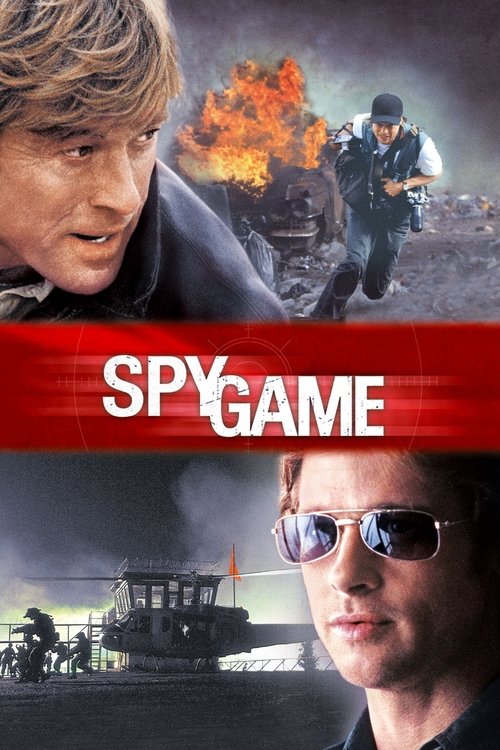
Genres
Movie Overview & Analysis
Spy Game is a film that tries to balance espionage thrills with deeper themes of loyalty and sacrifice but often stumbles under the weight of its own ambitions. While it features engaging performances by a strong cast, the pacing can feel uneven, leading to moments of disengagement.
Ambitious but Flawed
Spy Game has its high points with strong performances and an interesting premise, but it falters in its execution with pacing issues and underdeveloped characters. It's worth watching for fans of the genre but may leave others wishing for more substance behind the style.
Film DNA
The scores reflect a film with decent story depth and visual appeal, but emotional weight and rewatchability are lacking. While it provides an entertaining experience, it may not hold up to repeated viewings.
Pros
- Engaging performances by Redford
- Interesting premise with espionage themes
Cons
- Uneven pacing detracts from tension
- Underdeveloped supporting characters
Niche Appeal
Spy Game may appeal to fans of espionage thrillers and those who appreciate character-driven narratives. However, viewers looking for non-stop action will likely feel disappointed; the film is heavy on dialogue and plotting rather than relentless excitement. If you prefer tight pacing and straightforward storytelling, this may not be your cup of tea. It also requires some patience to fully appreciate its more nuanced themes, which could leave casual viewers frustrated.
A Race Against Time
The story revolves around Nathan Muir (Robert Redford), a seasoned CIA operative on the brink of retirement. Just as he prepares to hang up his hat, he learns that his protégé, Tom Bishop (Brad Pitt), has been captured in China and faces execution. As Muir races against the clock to save him, he must navigate a complex web of CIA bureaucracy that seems more interested in maintaining political appearances than in saving lives. The film unfolds in a series of flashbacks, revealing their shared history and the moral dilemmas of espionage, offering a layered narrative that is both intriguing and frustrating at times.
Strong Stars, Weak Depth
Robert Redford brings gravitas to the role of Nathan Muir, showcasing his character's moral fiber and depth with subtlety. Brad Pitt, as Tom Bishop, is less effective; his character feels underdeveloped, lacking the emotional weight needed to engage viewers fully. The supporting cast, including Catherine McCormack and Stephen Dillane, deliver solid performances, but they often fall into background roles that don’t expand on their motivations or depth. This uneven character development leaves a bit of a hollow feeling, especially when the stakes are so high.
Stylish Yet Fragmented
Tony Scott’s direction is signature, with quick cuts and stylized visuals that make for a slick presentation, but this approach sometimes detracts from the emotional core of the story. While the film has moments of visual flair, such as the stunning cityscapes of Beijing, the rapid pacing can make certain sequences feel fragmented. The reliance on flashbacks is intended to provide context but can confuse the narrative flow, making it hard for viewers to immerse themselves in the immediate tension of the film's present timeline.
Mixed Feelings Throughout
Watching Spy Game is a mixed experience; it oscillates between engaging espionage drama and moments of frustrating boredom. The stakes are laid out clearly, yet the film occasionally meanders, leading to dry patches where character revelations and plot progress feel artificially prolonged. The emotional connection that could have made this a gripping tale is often overshadowed by the film's stylistic choices. While there are some heartfelt moments, particularly in Muir’s recollections, they are not always enough to hold your attention throughout its lengthy runtime.
Watch if you liked: The Good Shepherd, Arlington Road








No comments yet. Be the first to share your thoughts!