Genres
Movie Overview & Analysis
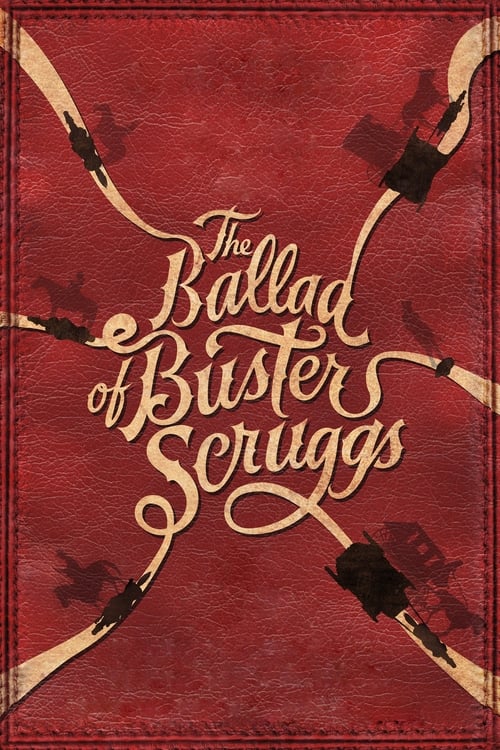
The Ballad of Buster Scruggs offers a unique anthology of stories from the Old West, blending humor and melancholy in equal measure. Each vignette showcases the Coen brothers' quirky storytelling style, making for an interesting watch, though not without its flaws.
Thought-Provoking Anthology
The Ballad of Buster Scruggs is an intriguing collection of Western tales with moments of brilliance and humor. While it may not fully satisfy every viewer due to its uneven storytelling, its exploration of life in the Old West ultimately makes for a thought-provoking experience.
Film DNA
The radar scores reflect a film with strong visual storytelling and originality, though its emotional weight and story depth show room for improvement. It's entertaining but may not encourage repeated viewings for everyone.
Pros
- Strong visual style that enhances storytelling
- Unique and diverse character experiences
Cons
- Uneven character development across segments
- Disjointed narrative might lose some viewers
Audience Considerations
This film will likely appeal to fans of the Coen brothers' previous works, as well as those who enjoy anthology films that blend genres. Viewers who appreciate Westerns with a twist of dark comedy will find much to enjoy. However, those looking for a straightforward narrative may feel disconnected due to the film’s episodic nature. It’s less about action and more about character exploration, so audiences craving fast-paced storytelling might want to skip it in favor of something with a more linear narrative.
Snapshots of the Old West
Set in the aftermath of the Civil War, this film presents six distinct tales that capture the essence of life in the Old West. From Buster Scruggs, a singing cowboy with a penchant for sharpshooting, to a struggling bank robber and a gold prospector enduring solitude, the anthology traverses various themes of ambition, fate, and the harsh realities of frontier life. While some segments shine brighter than others, each story presents a snapshot of characters navigating their uncertain futures, leading to bittersweet conclusions that reflect the unpredictability of existence in this rugged landscape.
Performances in Vignettes
The ensemble cast delivers solid performances, with Tim Blake Nelson standing out as the titular character in 'The Ballad of Buster Scruggs,' bringing a unique charm and humor to the role. Willie Watson as The Kid also delivers a memorable performance in a more understated story about ambition and consequence. However, some characters, like Clancy Brown's Curly Joe, feel underutilized, with their segments not fully exploring their potential or leaving a lasting impact. This unevenness in character development makes certain stories more engrossing than others, affecting overall engagement.
Visual Storytelling Style
Joel Coen's direction is characteristic of his signature style, blending dark humor and visual storytelling seamlessly. Each segment is distinct in its tone and aesthetic, with cinematography that captures the vast landscapes of the West beautifully. The use of color and light contrasts the bleakness of the characters' situations with moments of levity. However, the anthology format leads to a somewhat disjointed viewing experience, as shifts in narrative focus can disrupt the flow and emotional connection that might have been developed had the stories been more cohesive.
A Range of Feelings
Watching The Ballad of Buster Scruggs feels like taking a journey through both lightheartedness and sorrow. The film evokes a range of emotions, from laughter during whimsical moments to a sense of contemplation during the more serious tales. The stories often end on a bittersweet note, leaving viewers with a lingering reflection on life’s unpredictability. While not all stories resonate equally, the film captures the essence of the human condition, raising questions about fate, choice, and the inevitability of death, ultimately inviting introspection amidst its humor.
Watch if you liked: O Brother, Where Art Thou?, The Hateful Eight



No comments yet. Be the first to share your thoughts!