Genres
Movie Overview & Analysis
The Banker offers a thoughtful look at an important chapter in American history, emphasizing resilience against societal barriers. However, its pacing and character depth leave much to be desired.
Important, Yet Flawed
The Banker successfully sheds light on an often-overlooked chapter of American history but stumbles in execution. With more refined character development and tighter pacing, it could have made a more significant impact.
Film DNA
The film scores decently on originality and story depth, but its emotional weight and entertainment value suffer due to pacing issues and character underdevelopment.
Pros
- Important historical subject matter
- Strong performances from Mackie and Jackson
Cons
- Pacing issues disrupt narrative flow
- Character depth feels lacking at times
A Specific Audience Appeal
The Banker is likely to appeal to audiences interested in historical dramas, particularly those focusing on civil rights and African American history. It offers a glimpse into a pivotal moment that shaped the fight for equality, which may resonate well with those who appreciate stories of resilience. However, viewers looking for fast-paced action or a tightly woven narrative may find this film lacking. The slower pace and occasional narrative stretches could be frustrating for those seeking a more dynamic cinematic experience.
A Bold Scheme for Equality
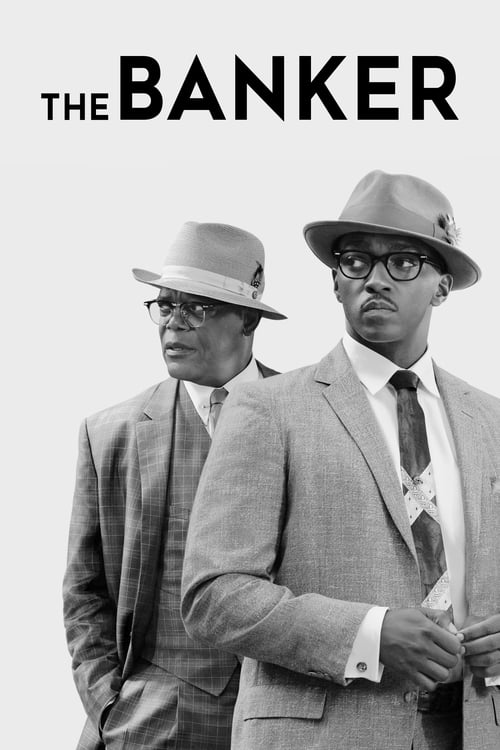
Set in the 1960s, The Banker follows two Black entrepreneurs, Bernard Garrett (Anthony Mackie) and Joe Morris (Samuel L. Jackson), who devise a bold scheme to fight against housing discrimination. They pose as 'fronts' for a white banker named Matt Steiner (Nicholas Hoult) to secure loans and purchase real estate, aiming to uplift their community. This true story unfolds against the backdrop of systemic racism, showcasing both the characters' determination and the oppressive environment they navigate. While the premise is impactful, the story sometimes gets bogged down in exposition, which disrupts the narrative flow.
Performances with Mixed Results
The performances in The Banker vary in effectiveness. Anthony Mackie delivers a solid portrayal of Garrett, embodying both ambition and a quiet resolve. Samuel L. Jackson, however, feels somewhat underutilized, relying on his trademark charisma but lacking in character depth. Nicholas Hoult showcases a commendable transformation as the banker, yet his character often comes across as clichéd. Nia Long, playing Garrett's wife, brings warmth but has limited screen time, leaving her character feeling flat. Overall, the cast has potential, but their arcs often take a backseat to the film's larger themes.
Stylish Yet Uneven Direction
George Nolfi's direction leans heavily on crafting a polished, period-appropriate look, but it sometimes sacrifices emotional impact for style. The cinematography captures the era's aesthetics well, using muted colors that reflect the themes of struggle and perseverance. However, the pacing feels uneven, with some scenes dragging on longer than necessary. The editing choices, while slick, occasionally disrupt the film's rhythm, making it feel more like a series of vignettes than a cohesive narrative. The visual choices serve the story, but they don’t elevate it beyond what’s expected.
Frustratingly Slow Pace
Watching The Banker, one can’t help but feel frustrated at times due to its pacing issues and somewhat surface-level exploration of deep themes. There are moments designed to stir the audience, yet they often miss the mark, leading to instances of disconnection. The film tries to balance heavy subjects with moments of levity, but this tonal inconsistency can leave viewers feeling unmoored. Ultimately, while the story is important, the execution doesn't always evoke the emotional weight one might hope for, resulting in a viewing experience that feels more educational than truly impactful.
Watch if you liked: Selma, The Help
No comments yet. Be the first to share your thoughts!