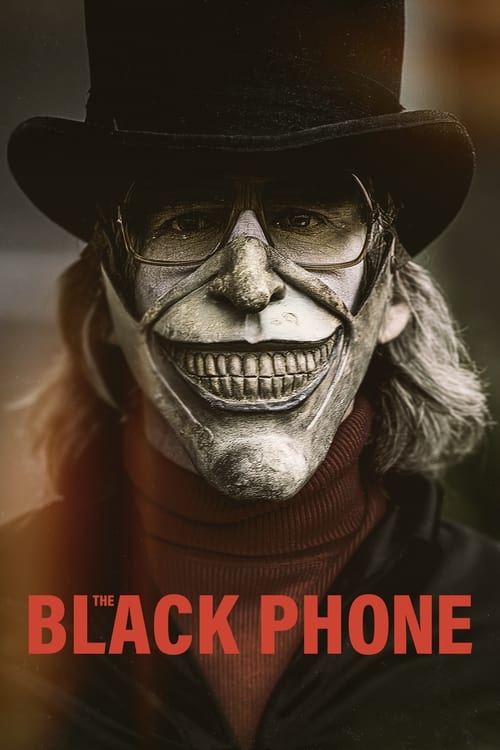
Genres
Movie Overview & Analysis
The Black Phone offers a chilling exploration of childhood fears wrapped in a horror-thriller package. While it has its compelling moments, it doesn't quite deliver everything it hints at.
A Solid Horror Experience
The Black Phone is a solid horror film that taps into childhood fears and the resilience of the young. While it excels in atmosphere and tension, it ultimately feels like it could have pushed boundaries further. It’s a worthwhile watch for genre enthusiasts but may leave others wanting more.
Film DNA
The scores reflect a film that, while entertaining and visually engaging, relies on familiar tropes and lacks deeper emotional resonance. It offers solid thrills but doesn't fully break new ground.
Pros
- Strong performances by the young cast
- Effective atmosphere and tension
Cons
- Pacing issues in the middle act
- Underdeveloped antagonist character
Target Audience Considerations
Fans of straightforward horror-thrillers will likely enjoy The Black Phone for its nostalgic setting and engaging storyline. However, those who prefer character-driven narratives or deeper psychological horror may find it lacking. The film's reliance on familiar horror tropes could alienate viewers seeking innovation in the genre. Additionally, parents may want to steer clear if they're looking for something family-friendly, given the darker themes of abduction and violence woven throughout the plot.
A Captive's Desperate Call
The story follows Finney Blake, a clever yet introverted 13-year-old boy who becomes the target of a serial killer known as The Grabber, played by Ethan Hawke. Trapped in a soundproof basement, Finney discovers an old disconnected phone that begins to ring, allowing him to hear the voices of the killer's previous victims. They provide him with clues and warnings to help him escape his grim fate. The film is set in the 1970s, adding an atmospheric layer to its haunting premise. However, while the concept is intriguing, it sometimes falls short of fully exploring the potential of its chilling narrative.
Performances That Vary
Mason Thames delivers a solid performance as Finney, embodying the fear and resilience of a young boy facing unimaginable terror. Madeleine McGraw shines as Gwen, Finney's sister, providing much-needed emotional depth and moments of levity. However, Ethan Hawke's portrayal of The Grabber, while initially unsettling, veers into over-the-top territory. His character suffers from a lack of depth and motivation, which diminishes the overall impact. Supporting characters like Finney's father, played by Jeremy Davies, are underutilized, leaving the emotional stakes feeling somewhat flat at times.
Dark Tones, Uneven Pacing
Scott Derrickson's direction effectively utilizes tension and atmosphere, with a gritty aesthetic that captures the 1970s setting. The visual style is marked by dark color palettes and effective shadow play, enhancing the horror elements. However, the pacing falters in the middle act, where moments of tension drag on unnecessarily, leading to some viewer frustration. The cinematography is competent but doesn't break new ground, relying on standard horror tropes that might feel familiar to genre fans. The sound design is impactful but occasionally overshadows quieter moments that could have benefitted from subtlety.
Tension But Not Always Engaging
Watching The Black Phone is a mixed bag; it has moments that genuinely evoke tension and fear, especially with the connection between Finney and the voices on the phone. However, the film sometimes meanders, leading to stretches where the audience might find their attention wavering. Emotional highs are punctured by slower segments that seem to stall the buildup of dread. The horror elements are effective, yet they occasionally rely too heavily on jump scares rather than psychological tension, which might frustrate horror purists looking for more depth.
Watch if you liked: Se7en, An American Werewolf in London


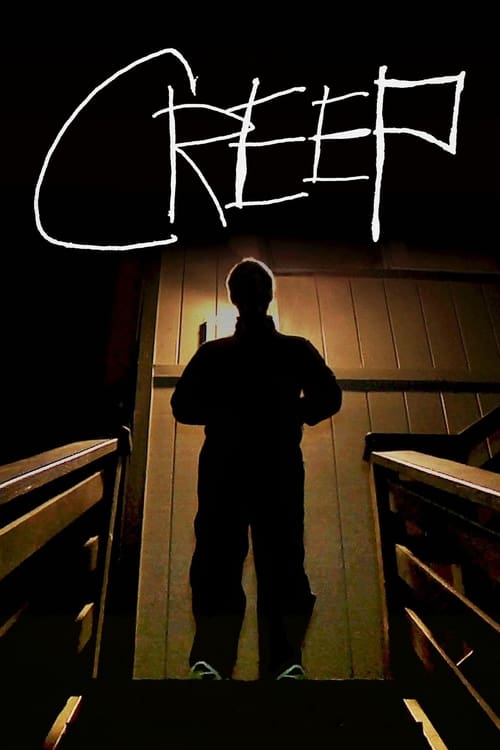


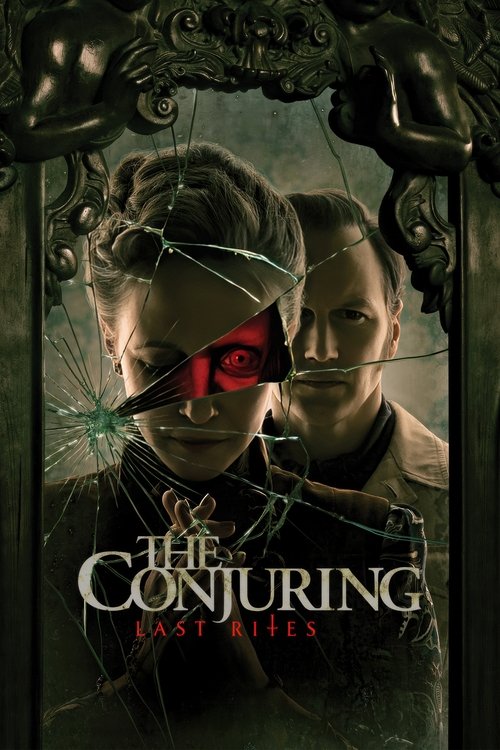
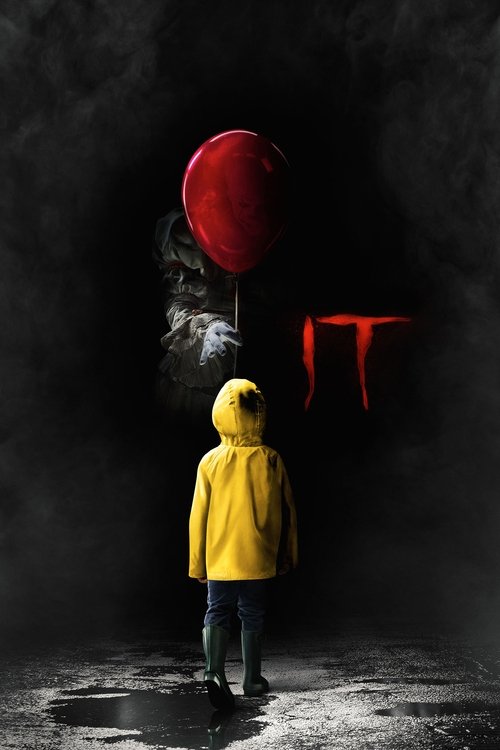
[…] if you liked: The Black Phone, It […]