Genres
Movie Overview & Analysis
The Chorus presents a heartwarming tale set in 1940s France, but don't let its charm distract you from its predictability. While it has its uplifting moments, the film occasionally stumbles under the weight of its clichés.
A Charming Yet Familiar Experience
The Chorus, while charming and filled with endearing moments, ultimately falls into the trap of predictability and clichés. It's a pleasant watch with an inspiring message, but it doesn’t push any boundaries or leave you craving more.
Film DNA
The scores reflect a film that balances charm and familiarity, delivering a solid emotional experience while lacking in originality. It entertains but doesn't break new ground.
Pros
- Strong performances from the lead and child actors
- Uplifting musical moments that resonate
Cons
- Predictable narrative with clichéd elements
- Some characters feel underdeveloped
Ideal for Music Lovers
The Chorus is tailored for audiences who appreciate feel-good stories infused with music and a touch of nostalgia. Those who enjoy heartwarming tales about redemption and transformation will likely find it appealing. However, viewers seeking complex character development or a fresh narrative might walk away disappointed. If you dislike predictable plots or stories that pander to emotions, this film won't sit well with you.
A Teacher's Musical Mission
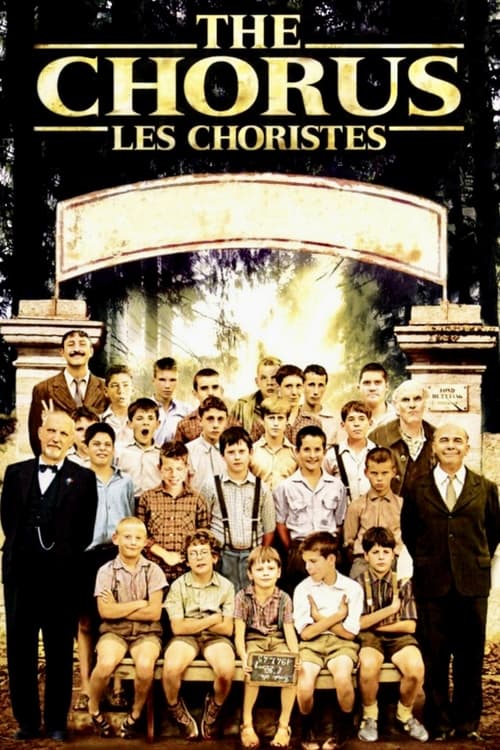
Set in a conservative boarding school during the post-World War II era, The Chorus follows Clément Mathieu, a new teacher who aims to change the lives of troubled boys through music. As he introduces them to the joys of singing and the beauty of choral music, the boys begin to flourish in unexpected ways. However, Mathieu faces constant opposition from the strict headmaster, Rachin, who believes discipline is the only way to handle the miscreant students. The film unfolds as a mix of comedy and drama, exploring themes of hope, redemption, and the transformative power of music amidst a backdrop of rigid authority.
Performances that Shine and Fade
Gérard Jugnot delivers a solid performance as Clément Mathieu, encapsulating the character's warmth and passion for music. His chemistry with the child actors adds a genuine touch to the film. However, François Berlénd's portrayal of the stern headmaster Rachin feels a bit one-dimensional, lacking depth to really understand his motivations. The boys, particularly Jean-Baptiste Maunier as Pierre Morhange, shine through their innocence and talent, yet some characters, like Chabert (played by Kad Merad), feel underutilized and could have contributed more to the narrative's emotional weight.
Standard Direction, Some Highlights
Christophe Barratier's direction is competent but lacks the flair to elevate the material beyond its standard storytelling. The cinematography captures the dreariness of the 1940s French boarding school well, but some visual choices, such as the overly warm hues during choir scenes, feel a bit clichéd and obvious. While the music sequences are well-structured and enjoyable, the pacing occasionally drags, particularly in the early stages where the buildup to the choir's success takes its sweet time, testing the viewer's patience.
Feel-Good Moments Mixed with Predictability
Watching The Chorus elicits a mix of nostalgia and sentimentality, as the music brings about uplifting moments. Yet, the film's predictability can lead to moments of boredom, particularly during the prolonged setup of character backstories that seem designed to garner sympathy but ultimately add little. Certain emotional beats trigger a fleeting connection, but they often feel manufactured rather than genuine. The film tries hard to tug at the heartstrings, but the over-reliance on tried-and-true tropes means it doesn’t leave a lasting impression.
Watch if you liked: Dead Poets Society, School of Rock
No comments yet. Be the first to share your thoughts!